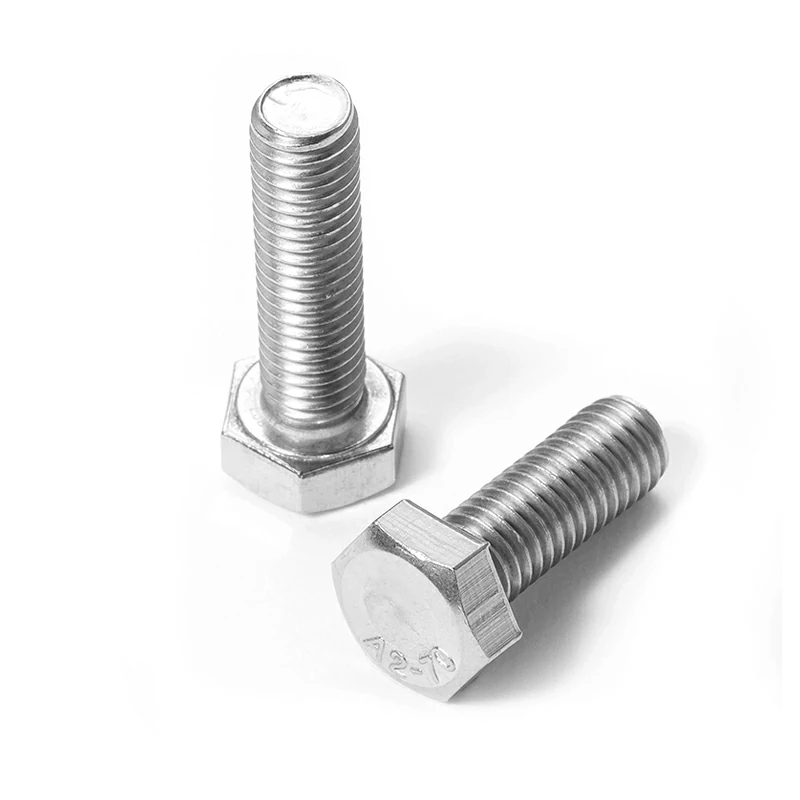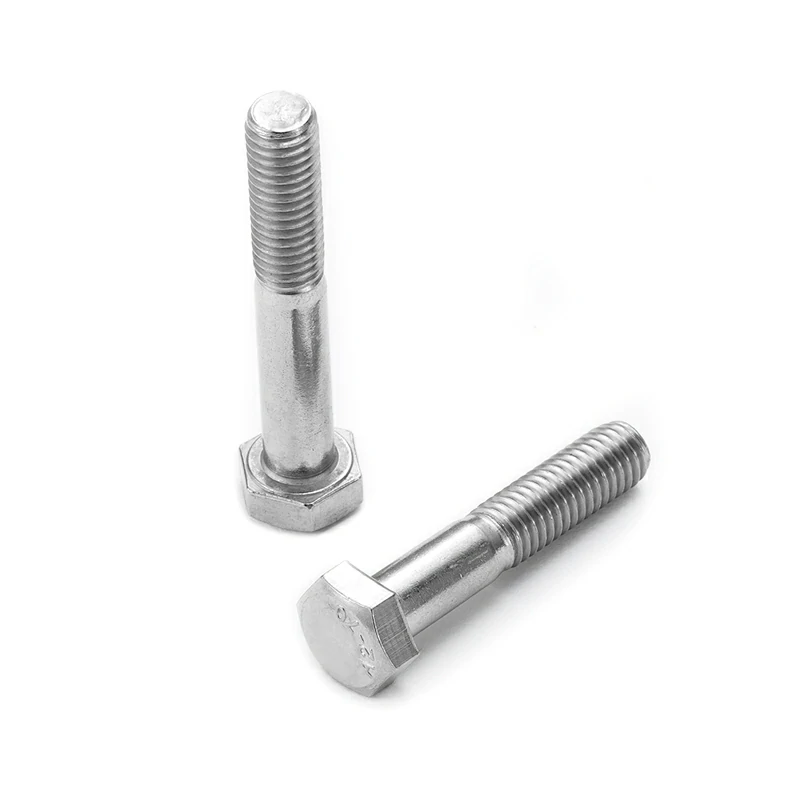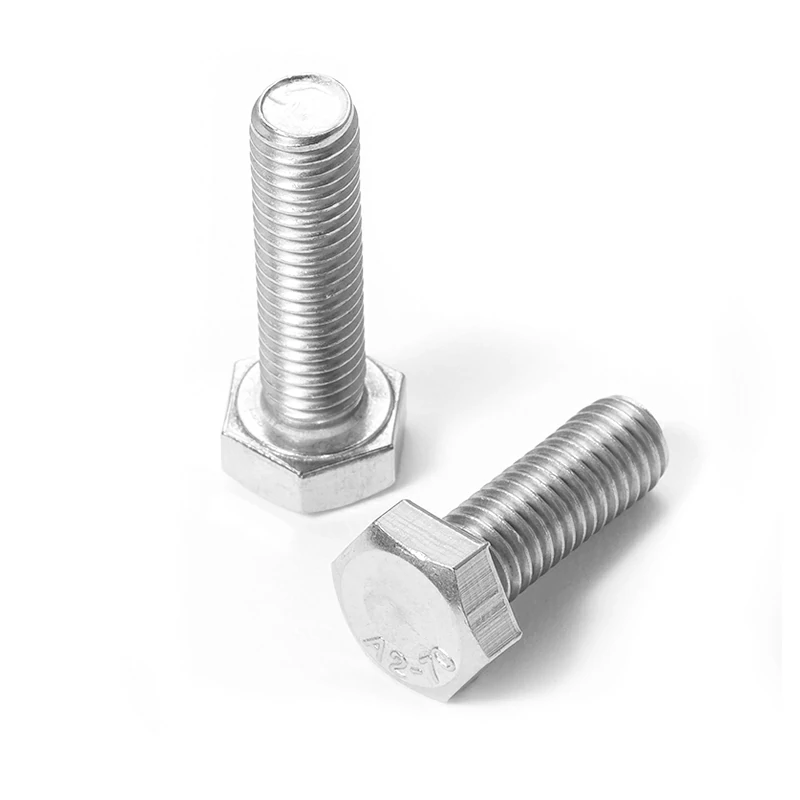
Fasteners are among the most essential components in modern engineering, manufacturing, and construction. From bridges and buildings to machinery, solar systems, and food-processing equipment, fasteners provide the mechanical connections that hold structures and assemblies together.
Among the various fastening materials available, stainless steel is one of the most widely used because of its excellent corrosion resistance, durability, and long service life.
So, what are stainless steel fasteners and why are they preferred in so many industries?
This guide explains stainless steel fasteners, their common types, material grades, benefits, and applications to help engineers, contractors, distributors, and industrial buyers make informed decisions.
1. What Are Stainless Steel Fasteners?
To have stainless steel fasteners explained accurately, one must look at material science. What are stainless steel fasteners from a metallurgical perspective? They are mechanical hardware components—such as bolts, screws, nuts, and washers—manufactured from iron alloys that contain a minimum of 10.5% chromium and used to join, secure, or assemble two or more parts.
Unlike carbon steel hardware that relies on temporary external surface platings (like zinc or galvanization) which can easily scratch off, the protection of stainless steel is embedded directly throughout the entire metal. The chromium in the alloy reacts naturally with oxygen in the air to build a microscopic, self-healing chromium oxide passive layer. If the hardware is nicked, scratched, or highly stressed, this invisible layer instantly reforms, preventing moisture and chemicals from penetrating the core iron and causing rust.
Because of their strength and corrosion resistance, stainless steel fasteners are widely used in outdoor, marine, industrial, architectural, and hygienic applications.
2. Common Types of Stainless Steel Fasteners
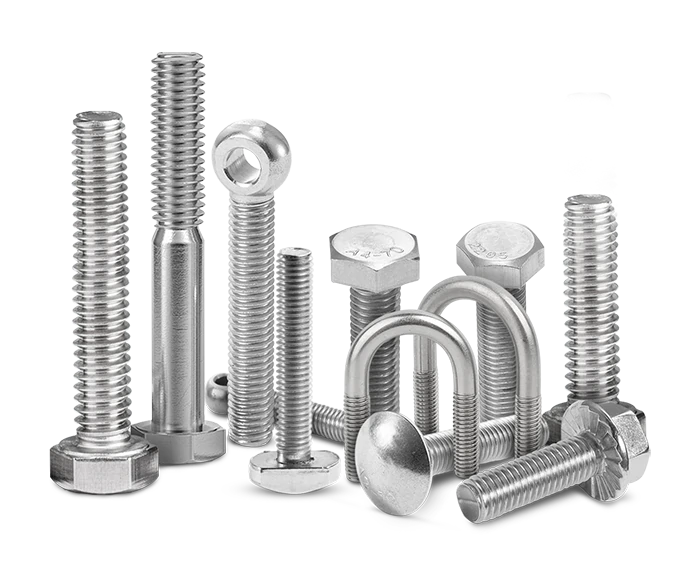
Industrial applications require specific geometries to handle distinct structural configurations, torque limits, and clamping forces. There are many types of stainless steel fasteners, each designed for specific installation methods and load requirements. The most widely deployed types of stainless steel fasteners include:
- Stainless Steel Bolts: Bolts are externally threaded fasteners used with nuts to create secure mechanical joints. Common bolt types include Hex bolts, Flange bolts, Carriage bolts, Eye bolts, and Structural bolts. Bolts are frequently used in construction, machinery, and industrial equipment.
- Stainless Steel Nuts: Nuts provide internal threads that mate with bolts or threaded rods. Popular nut types include Hex nuts, Heavy hex nuts, Nylon insert lock nuts, Cap nuts, and Wing nuts .Nuts help create removable and serviceable connections.
- Stainless Steel Screws: Screws create fastening force through threaded engagement with the material being joined. Common screw types include Machine screws, Self-tapping screws, Self-drilling screws, Wood screws, and Concrete screws. Different screw designs are optimized for wood, metal, masonry, and composite materials.
- Stainless Steel Washers: Washers distribute loads and protect surfaces from damage. Common washer types include Flat washers, Lock washers, Spring washers, and Fender washers. Washers improve joint stability and help prevent loosening.
- Threaded Rods and Studs: Threaded rods feature continuous threading and are commonly used in Structural support systems, HVAC installations, Pipe supports, and Heavy-duty anchoring applications.
Understanding these stainless steel fastener types helps users select the most appropriate fastening solution for their projects.
3. Stainless Steel Fastener Materials
The mechanical performance and corrosion limits of industrial hardware are determined by their specific chemistry. When sourcing components, engineers classify stainless steel fasteners materials into three primary metallurgical categories:
Austenitic Stainless Steel (300 Series)
Austenitic steel is the most popular choice for general manufacturing due to its exceptional ductility, non-magnetic nature, and strong corrosion resistance.
- 304 stainless steel fasteners: Known as A2 stainless, this is the standard workhorse alloy for inland outdoor use, commercial appliances, and general machinery. It resists everyday atmospheric rust efficiently.
- 316 stainless steel fasteners: Known as A4 stainless, this alloy is enriched with 2% to 3% molybdenum. This specific addition provides superior resistance against localized pitting and crevice corrosion caused by saltwater or industrial chemicals.
Martensitic Stainless Steel (400 Series)
Martensitic grades, such as Grade 410, have higher carbon levels but lower chromium levels. They can undergo thermal heat treatment to achieve extreme hardness and tensile strength. This makes them ideal for self-drilling and tapping screws, though they offer less corrosion resistance than the 300 series.
Duplex Stainless Steel
Duplex stainless steel fasteners feature a balanced, two-phase microstructure consisting of both austenitic and ferritic steel grains. This unique composition provides double the yield strength of standard austenitic grades along with superior resistance to stress-corrosion cracking in extreme chemical environments.
4. Benefits of Stainless Steel Fasteners
Investing in premium stainless steel hardware offers clear engineering and financial advantages over zinc-plated or carbon steel alternatives. The core benefits of stainless steel fasteners include:
- Excellent Corrosion Resistance: One of the primary benefits of stainless steel fasteners is their ability to resist corrosion. The chromium-rich passive layer protects the surface against Moisture, Humidity, Rain, Salt exposure, and Many industrial chemicals. This makes stainless steel one of the most reliable corrosion resistant fasteners available.
- Long-Lasting Durability: Stainless steel fasteners often last significantly longer than plated or coated carbon steel alternatives. They remain fully structural for decades without rusting or weakening, effectively extending the lifespan of the entire asset.
- Thermal Stability: Austenitic grades maintain uniform structural integrity and mechanical properties across extreme sub-zero cryogenic scales up to highly elevated exhaust temperatures.
- Low Cost of Ownership: Because they act as inherently corrosion resistant fasteners, they eliminate the need for frequent replacement cycles, heavy maintenance routines, and unexpected downtime.
- Aesthetic Appeal: The clean, polished silver finish of stainless hardware is highly valued in architectural, consumer, and visible product layouts.
5. Applications of Stainless Steel Fasteners
Because of their durability and reliability, stainless steel fasteners applications span across nearly every major sector of global infrastructure.
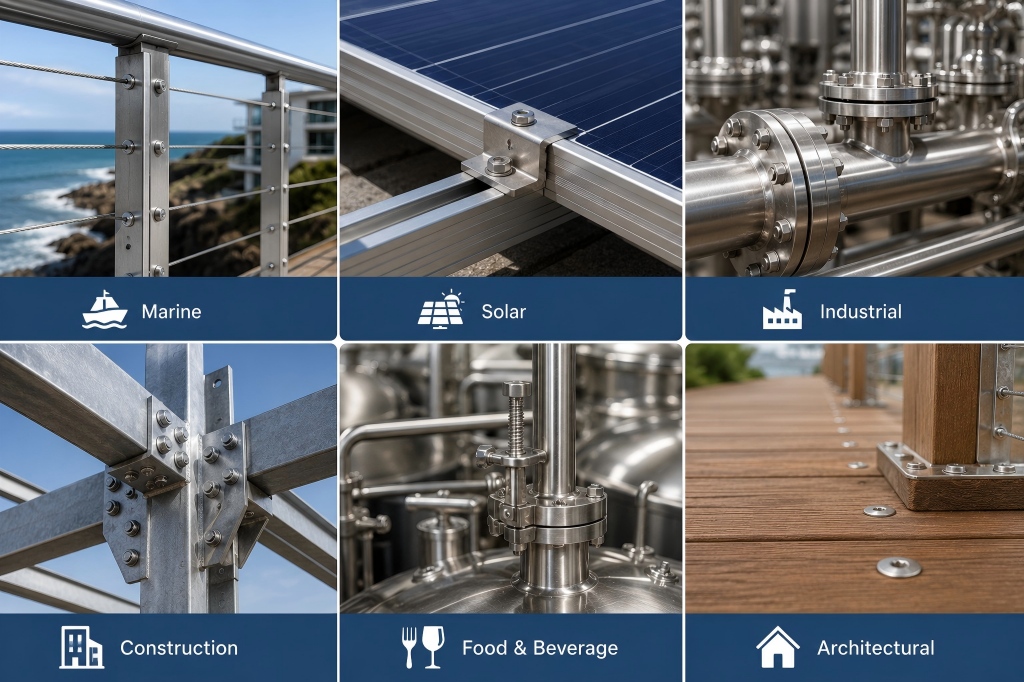
- Marine & Coastal Infrastructure: Seaside structures face aggressive airborne chlorides. High-grade industrial stainless steel fasteners (primarily Grade 316) are critical for docks, seawalls, watercraft hulls, and offshore energy platforms.
- Food Processing & Pharmaceuticals: Cleanliness is non-negotiable in these industries. Stainless hardware tolerates harsh sanitizing chemical washdowns without leaching metal contaminants into processing lines.
- Solar & Renewable Energy Systems: Outdoor solar arrays Wind energy installations Energy storage infrastructure must remain securely bolted to tracking racks for 25+ years under continuous wind, rain, and UV exposure. Stainless steel prevents structural failures over long life cycles.
- Commercial Construction: They are extensively specified for modern glass curtain walls, Structural steel connections roofing anchors, Bridges and outer architectural cladding systems where moisture could collect out of sight. Their durability makes them ideal for long-term outdoor use.
- Industrial Manufacturing: Many industrial stainless steel fasteners are used in Pumps, Valves, Process equipment, Machinery assemblies, and Water treatment facilities. Corrosion resistance and reliability are critical in these applications.
6. How to Choose the Right Stainless Steel Fasteners
Selecting the correct fastener involves evaluating environmental, mechanical, and installation requirements. To ensure maximum joint safety and avoid unexpected mechanical failure modes, use this practical stainless steel fasteners selection guide:
Consider the Environment
Ask the following questions:
- Will the fastener be exposed to moisture?
- Is saltwater or coastal exposure present?
- Will chemicals be involved?
- Is the installation indoors or outdoors?
For inland outdoor construction, 304-grade hardware is highly cost-effective. If your project sits within 5 miles of a coastline or deals with aggressive chemicals, specify 316-grade or duplex steel.
Evaluate Load Requirements
Consider:
- Tensile loads
- Shear loads
- Vibration levels
- Structural requirements
Choosing the correct fastener size and grade ensures adequate performance and safety.
Select the Appropriate Fastener Type
Different applications require different products.
Examples:
- Wood structures → wood screws
- Metal fabrication → machine screws and bolts
- Concrete installation → anchors and concrete screws
- Solar mounting systems → specialized fastening assemblies
Verify Standards and Certifications
For industrial projects, ensure fasteners comply with recognized standards such as:
- ASTM
- ISO
- DIN
- ANSI
Certified products provide consistent quality and performance.
Prevent Galvanic Corrosion
When connecting stainless steel fasteners to a different metal (like aluminum or carbon steel) in wet conditions, insert non-conductive isolation material (like nylon or EPDM washers) to break the electrical circuit and stop rapid galvanic oxidation.
Prevent Thread Galling
Stainless steel threads can sometimes friction-weld (gall) during high-speed power tool installations. Always slow down your installation tools’ RPMs and apply a high-quality, nickel-based anti-seize lubricant to ensure smooth assembly.
By systematically choosing stainless steel fasteners that balance your mechanical load requirements with environmental exposures, you protect your infrastructure from premature failure and ensure long-term commercial success.
Conclusion
Understanding what are stainless steel fasteners is essential for selecting reliable fastening solutions across construction, manufacturing, marine, food processing, and renewable energy industries.
Available in a wide variety of types and materials, stainless steel fasteners offer excellent corrosion resistance, strength, durability, and long service life. Whether you are choosing standard 304 stainless steel fasteners, marine-grade 316 stainless steel fasteners, or high-performance duplex stainless steel fasteners, selecting the right material and fastener type will improve safety, reliability, and long-term project performance.
By understanding fastener materials, applications, and selection criteria, engineers and buyers can make informed decisions that maximize value and service life.