In global manufacturing, construction, and heavy infrastructure, safety and structural integrity depend heavily on joint reliability. While high-performance machinery and massive steel frameworks dominate industrial design, they are entirely held together by a critical class of hardware: mechanical fasteners.
From small electronic devices to massive civil steel structures, industrial fasteners provide secure, reliable, and often removable connections that ensure operational safety. This comprehensive Fasteners Guide explains what are fasteners, explores the different types of fasteners, compares vital fastener materials, introduces international fastener standards, and provides a practical fastener selection guide for your next project.
What Are Fasteners? An Engineering Overview
To establish a clear definition of what are fasteners, we must look at their mechanical function. In engineering, mechanical fasteners are structural hardware components used to mechanically join or secure two or more objects together in a fixed position.
Unlike welding, brazing, or adhesive bonding—which form permanent material fuses—most industrial fasteners are engineered to create reusable or temporary joints. This design allows for:
- Clean structural disassembly
- Routine maintenance inspections
- Rapid component replacement
- Precise structural re-alignment without damaging the host substrates
The Core Classification: Different Types of Fasteners
The industrial hardware landscape comprises thousands of distinct configurations designed to manage specific tensile loads, clamping forces, and geometric clearances. Generally, these components are divided into two main categories: threaded and non-threaded systems.
1. Threaded Fasteners
Threaded components rely on helical ridges to convert rotational torque into linear clamping force.
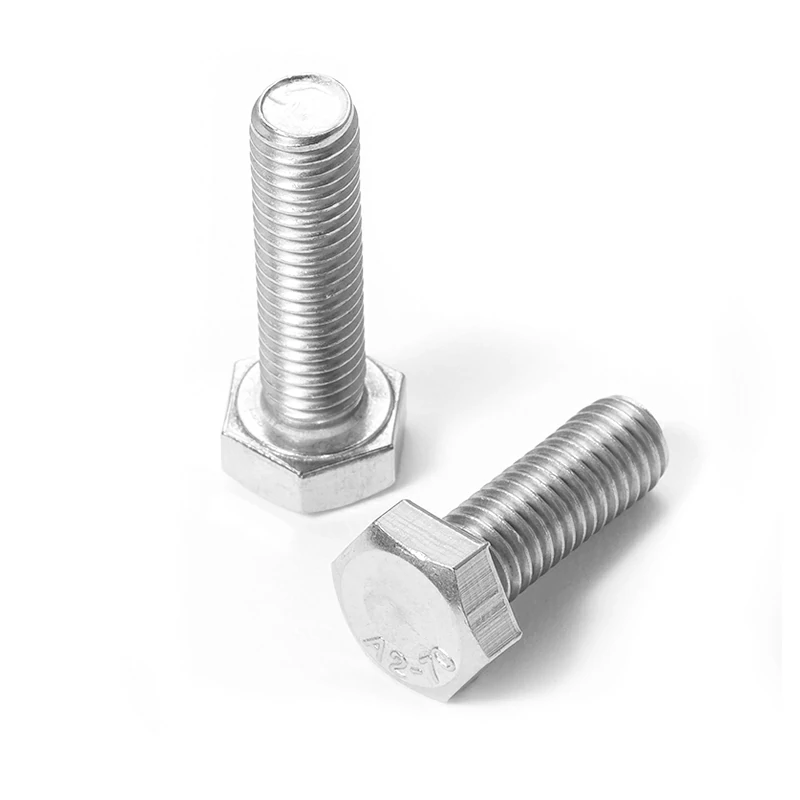
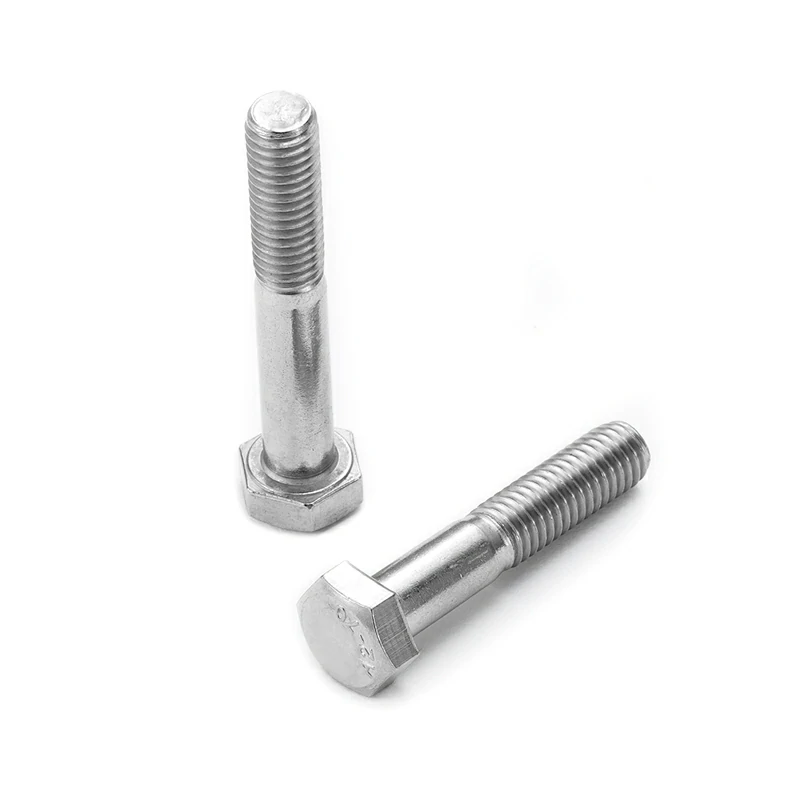
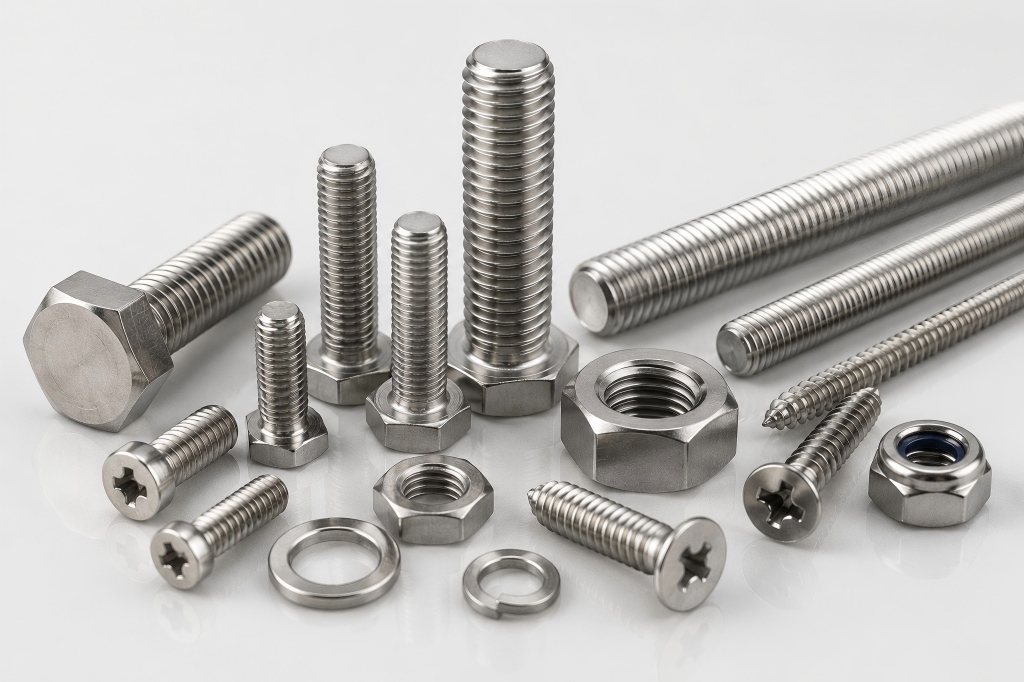
- Bolts: Heavy-duty hardware components designed to pass through unthreaded clearance holes. As externally threaded fasteners, they require a matching nut on the opposing side to apply clamping pressure and provide high-strength connections.
- Screws: Extremely versatile types of fasteners that typically feature a tapered or self-tapping thread. They mate directly with a pre-formed or self-cut internal thread in the substrate, requiring no nut for retention.
- Studs & Threaded Rods: Headless fasteners featuring continuous threads on both ends or along their entire length. Threaded rods are widely used in structural support systems and HVAC installations, while stud bolts are the baseline standard for flange connections in pressure piping systems.
- Nuts: Internally threaded components paired directly with bolts or studs to lock an assembly under continuous tension. Common variants include heavy hex nuts, nylon-insert lock nuts, and wing nuts.
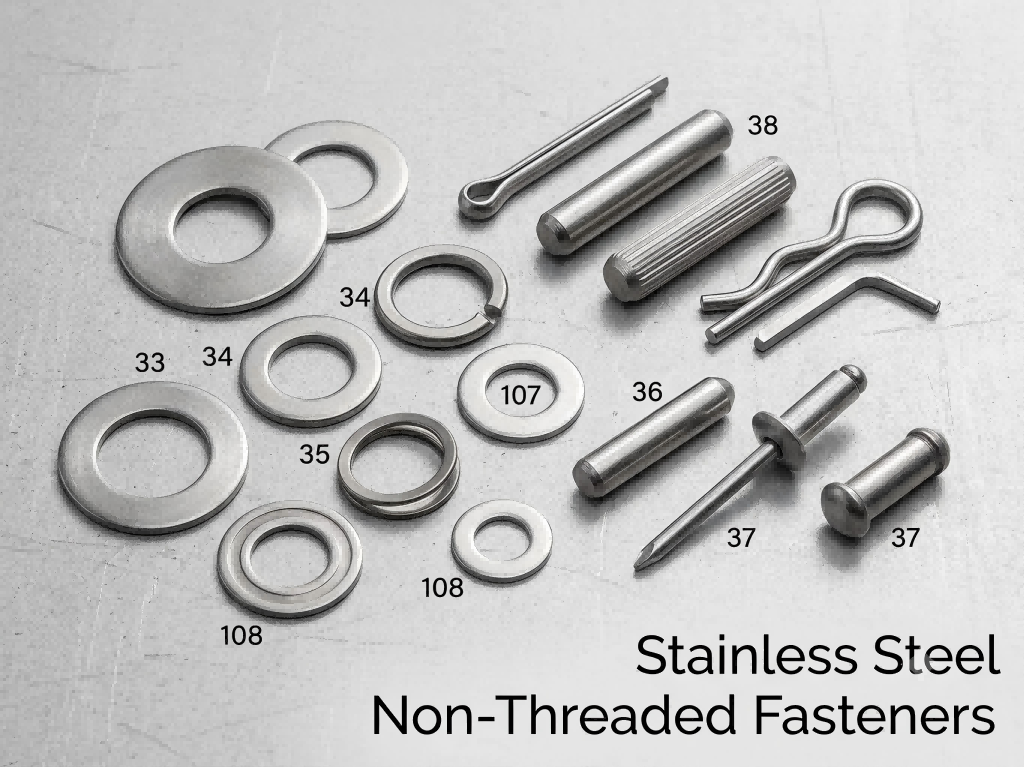
2. Non-Threaded Fasteners
These components secure joints through mechanical interference, friction, or physical deformation rather than rotational torque.
- Washers: Flat or spring-type metal discs placed beneath bolt heads and nuts. They distribute clamping loads evenly, protect substrates, and prevent vibration loosening.
- Rivets: Permanent mechanical fasteners consisting of a smooth shaft with a pre-formed head. Upon installation, the headless end is physically deformed to lock the joint permanently.
- Pins & Retaining Rings: Components used for precise alignment or axial positioning along shafts and bores, such as cotter pins, dowel pins, and snap rings.
Fastener Materials and Their Properties
A fastener’s geometry is only as reliable as the metallurgy behind it. Selecting optimal fastener materials requires balancing target tensile strengths against environmental exposure.
| Fastener Material | Key Properties | Ideal Applications |
|
Carbon Steel |
Most economical; high mechanical strength; requires zinc plating or hot-dip galvanization to prevent oxidation. | Indoor construction, machinery, and general manufacturing. |
|
Stainless Steel (Grade 304 / A2) |
Embedded alloy protection; excellent general corrosion resistance; highly cost-effective. | General outdoor construction, commercial kitchen appliances, and basic machinery. |
|
Stainless Steel (Grade 316 / A4) |
Enriched with molybdenum; acts as highly durable, corrosion resistant fasteners that withstand aggressive chloride pitting. | Marine environments, coastal infrastructure, and chemical processing lines. |
|
Alloy Steel |
Heat-treated to achieve ultra-high mechanical strength. | Heavy equipment, automotive manufacturing, and high-pressure structural engineering. |
|
Non-Ferrous & Exotics |
Aluminum: Lightweight and naturally rust-resistant. Brass & Bronze: Spark-resistant and highly conductive. Titanium & Inconel: Ultra-high strength-to-weight ratios. |
Aerospace assemblies, marine wood boat construction, oil/gas lines, and extreme motorsport applications. |
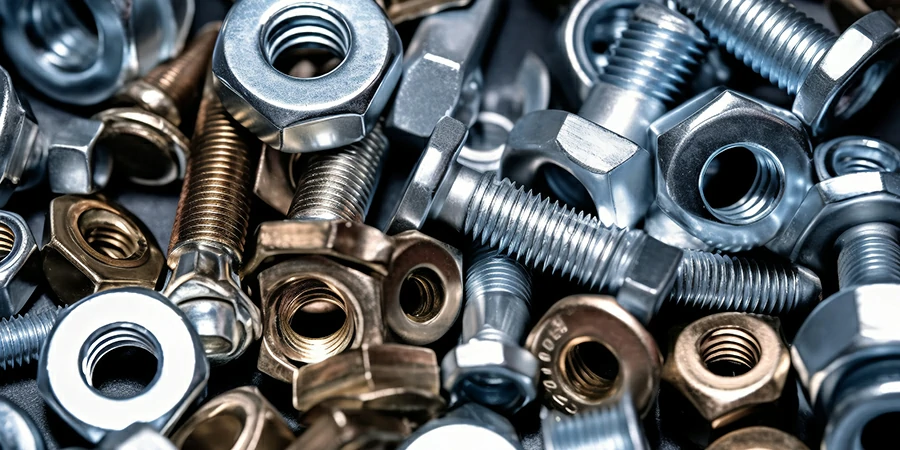
Understanding Fastener Standards: Metric vs. Imperial
To ensure complete global interchangeability and safety, the manufacturing of industrial fasteners is strictly regulated by international standard organizations.
When navigating a metric fasteners guide, you will primarily encounter two major frameworks:
- ISO (International Organization for Standardization): ISO standards provide globally accepted specifications that promote international compatibility and quality consistency across metric hardware, ensuring uniform dimensions and strength classes (e.g., ISO 4014).
- DIN Fasteners (Deutsches Institut für Normung): Developed by the German Institute for Standardization, DIN fasteners standards remain widely referenced in global procurement (e.g., DIN 933). Many older DIN standards are systematically being harmonized into equivalent ISO standards.
In North American industries, the ASME/ANSI (American Society of Mechanical Engineers) framework governs Imperial (inch-based) hardware, separating threads into Unified National Coarse (UNC) and Unified National Fine (UNF) pitches, while ASTM standards define material and mechanical performance.
Metric Fasteners Guide Sizing Profile
Most international markets identify metric fasteners by thread diameter and pitch. Common structural sizing profiles include:
- M6 × 1.0
- M8 × 1.25
- M10 × 1.5
- M12 × 1.75
Critical Industrial Fastener Applications
Because of their immense mechanical versatility, specialized fastener applications keep every major sector of modern global infrastructure operating safely:
- Construction: Structural steel buildings, bridges, roofing systems, and curtain walls rely on high-strength fasteners to bear heavy static and dynamic loads.
- Manufacturing: Industrial production lines, conveyors, pumps, and compressors require heavy-duty mechanical fasteners engineered to withstand continuous operational vibration.
- Marine: Marine environments demand high-alloy stainless steel fasteners capable of resisting severe saltwater corrosion on boats, docks, piers, and offshore platforms.
- Renewable Energy: Solar panel mounting racks and wind turbines depend on weather-resistant hardware that can withstand harsh outdoor exposure for decades.
- Food & Pharmaceutical Processing: Food-grade stainless steel fasteners are installed in processing and packaging machinery to satisfy strict hygiene, sanitation, and washdown requirements.
Fastener Selection Guide: How to Choose Fasteners
1. Evaluate Environmental Exposure & Corrosion
Moisture, chemicals, humidity, and saltwater significantly influence fastener performance. Choosing specialized corrosion resistant fasteners extends service life and reduces long-term maintenance costs. Always verify material compatibility to avoid galvanic corrosion (e.g., avoid pairing stainless steel bolts directly with raw aluminum panels without an insulating EPDM or nylon washer).
2. Analyze Structural Load Requirements
Match the mechanical tensile and yield strength requirements of your project to the correct material class. Use treated carbon or alloy steels for high-strength industrial machinery, and transition to graded stainless steel fasteners when environmental weathering is a factor.
3. Confirm Thread Pitch and Dimension
ConsistencyEnsure matching internal and external threads share identical specifications. Never force a metric coarse bolt into a metric fine tapped hole, and never mix Imperial UNC and UNF threads, as this causes immediate thread stripping and joint failure.
4. Verify Regulatory Standards Compliance
Ensure your selected hardware fully complies with project-specified design codes, whether it calls for DIN fasteners, ISO metrics, or ASME/ANSI configurations. Standard compliance guarantees part compatibility, strict dimensional tolerances, and predictable load capacities.
Conclusion
This Fasteners Guide serves as a comprehensive resource for understanding what are fasteners, comparing different types of fasteners, selecting suitable fastener materials, and applying international fastener standards. Whether you’re sourcing DIN fasteners, following a metric fasteners guide, or selecting stainless steel fasteners for harsh environments, this guide helps you make informed and reliable decisions.
Looking for high-quality stainless steel fasteners?
Explore our range of bolts, nuts, screws, threaded rods, and custom fastening solutions manufactured to DIN, ISO, ASTM, and ANSI standards.