
E-mail: Lyda.wang@youjia-china.com

What Are Standard Fasteners?

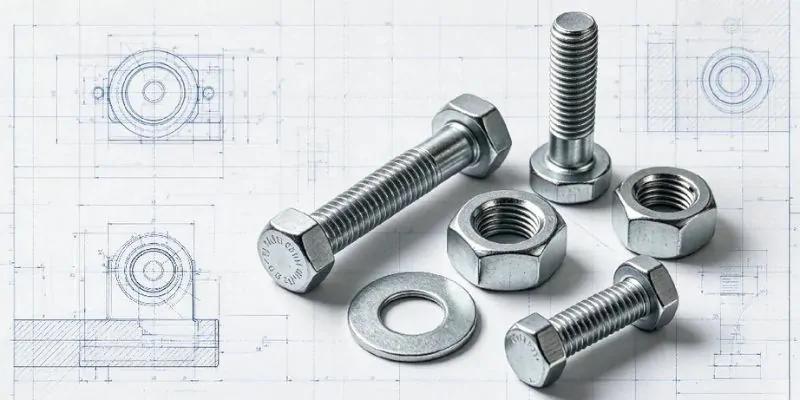
Standard Fasteners are fastening components manufactured according to internationally recognized engineering specifications. These Fastener Standards define critical requirements such as dimensions, thread profiles, tolerances, material grades, mechanical properties, and testing methods, ensuring that fasteners produced by different manufacturers remain consistent and interchangeable.

Using fasteners that comply with International Fastener Standards helps engineers, manufacturers, and procurement professionals simplify sourcing while ensuring reliable assembly performance. Standardized fasteners reduce compatibility issues, improve installation efficiency, and make maintenance and replacement easier throughout a product’s service life.

Today, the most widely adopted fastener standards include DIN for European markets, ASME/ANSI for North America, GB for China, and JIS for Japan. These standards provide a common technical language for global manufacturing, allowing projects to source compatible components from qualified suppliers worldwide while maintaining dimensional accuracy, mechanical performance, and quality consistency.

At Tianqi Fasteners, we manufacture a comprehensive range of stainless steel Standard Fasteners in accordance with DIN, GB, ASME/ANSI, and JIS standards. Available in grades including 304, 316, 316L, 321, 410, Duplex 2205, and Super Duplex 2507, our products deliver reliable fastening solutions for construction, marine, chemical processing, energy, and industrial equipment applications where precision, corrosion resistance, and long-term durability are essential.

International Fastener Standards

Why Standard Fasteners Matter

Fastener Standards We Support

DIN Fasteners

DIN Fasteners

DIN Fasteners are manufactured according to standards developed by the German Institute for Standardization (Deutsches Institut für Normung). Widely used across Europe and international industrial markets, DIN standards cover dimensions, threads, materials, tolerances, and performance requirements for a wide range of fastening components.

Explore DIN Fasteners →

ASME Fasteners

ASME Fasteners

ASME Fasteners are manufactured according to specifications established by the American Society of Mechanical Engineers and are widely used in industrial, mechanical, structural, and energy applications.

Explore ASME Fasteners →

ANSI Fasteners

ANSI Fasteners follow American National Standards Institute specifications and are commonly specified for North American industrial and mechanical applications. ANSI standards help define standardized dimensions, thread specifications, tolerances, and interchangeability requirements.

Explore ANSI Fasteners →

GB Fasteners

GB Fasteners

GB Fasteners are manufactured according to China’s national standards (Guobiao). They are widely used in Chinese manufacturing, machinery, construction, and international OEM production.

Explore GB Fasteners →

JIS Fasteners Products

JIS Fasteners

JIS Fasteners comply with Japanese Industrial Standards and are widely specified in automotive, machinery, electronics, and precision engineering applications across Japan and other Asian markets.

Explore JIS Fasteners →

Find the Right Fastener Standard

Standard Main Market Measurement System Typical Applications

DIN

Europe & Global

Metric

Automotive, Machinery, Construction

ASME

North America & Global

Inch & Metric

Industrial, Energy

ANSI

North America

Inch & Metric

Mechanical, Industrial

GB

China & OEM

Metric

Manufacturing, Machinery

JIS

Japan & Asia

Metric

Automotive, Electronics,Marine

The appropriate fastener standard depends on the engineering specification, target market, equipment requirements, and compatibility requirements of the application. Tianqi can supply stainless steel fasteners according to the specified standard and customer drawings.

Stainless Steel Fasteners & Material Grades

Standard Fasteners for Industrial Applications

Tianqi Fasteners supplies stainless steel standard fasteners manufactured to internationally recognized DIN, ASME/ANSI, GB, and JIS specifications. Our fasteners support a wide range of industrial applications, helping buyers select suitable fastening solutions based on industry requirements, material properties, and applicable standards.

Automotive & Transportation

Automotive & Transportation

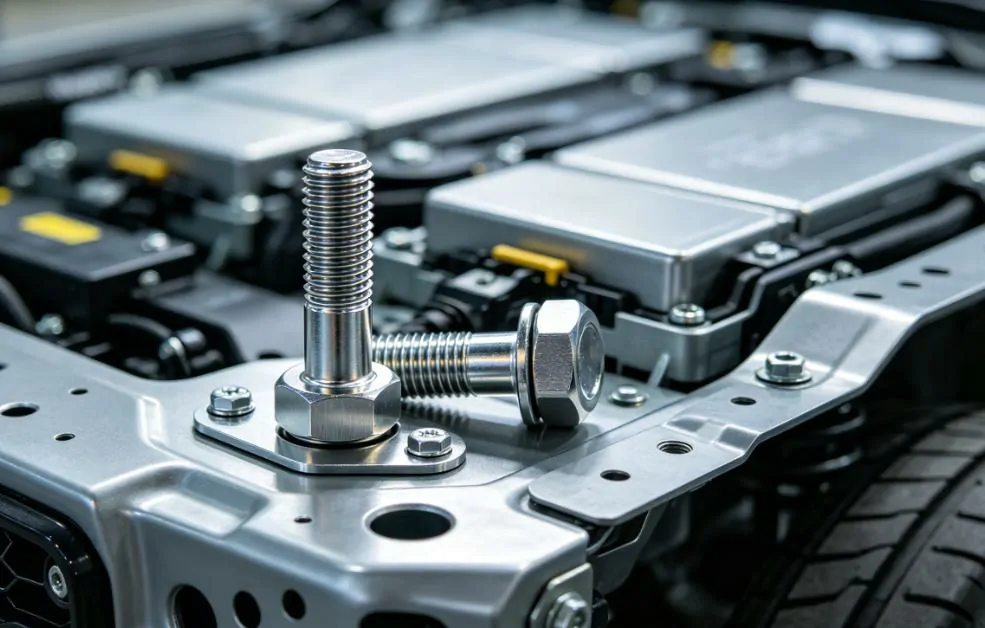
Automotive and transportation equipment require fasteners that provide reliable connections under vibration, repeated loading, and demanding operating conditions. Standard fasteners are used in vehicle assemblies, transport equipment, structural components, and supporting systems where dimensional consistency and dependable fastening are essential.

Construction & Infrastructure

Construction & Infrastructure

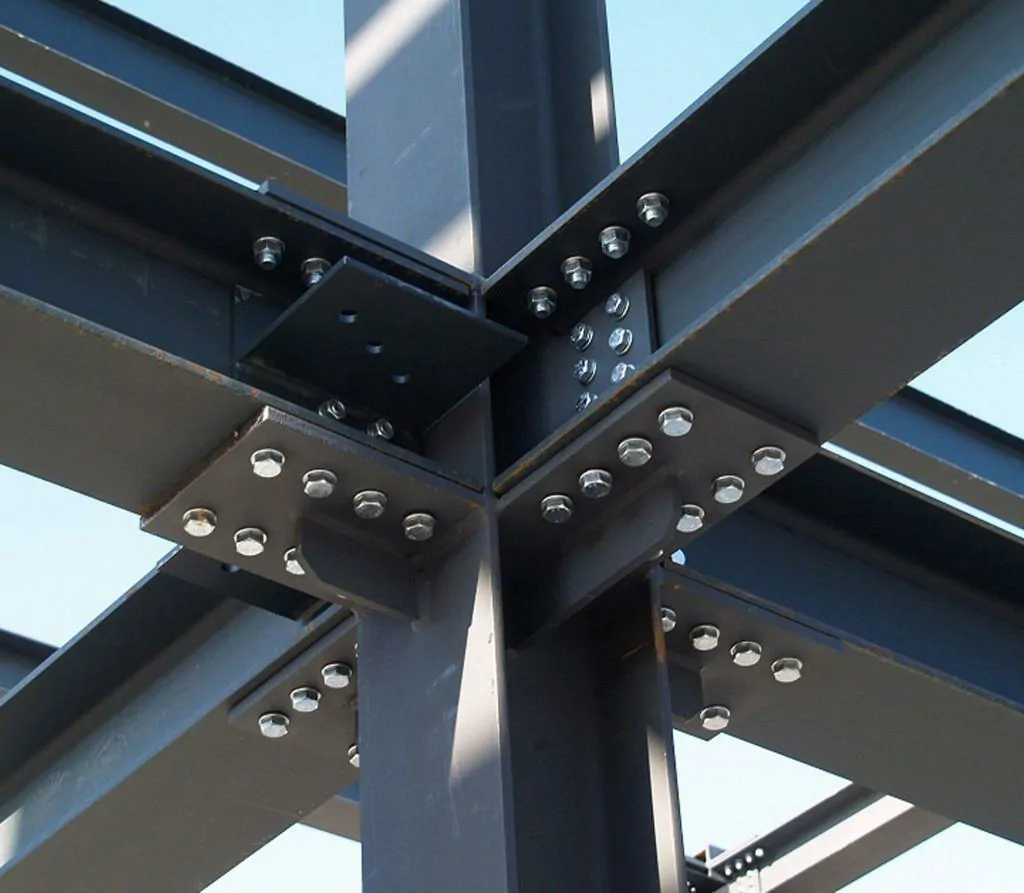
Construction and infrastructure projects use standard fasteners in steel structures, building components, support systems, and general mechanical assemblies. Selecting the correct dimensions, thread specifications, material grade, and applicable standard helps ensure compatibility during installation and maintenance.

Marine & Offshore

Marine & Offshore

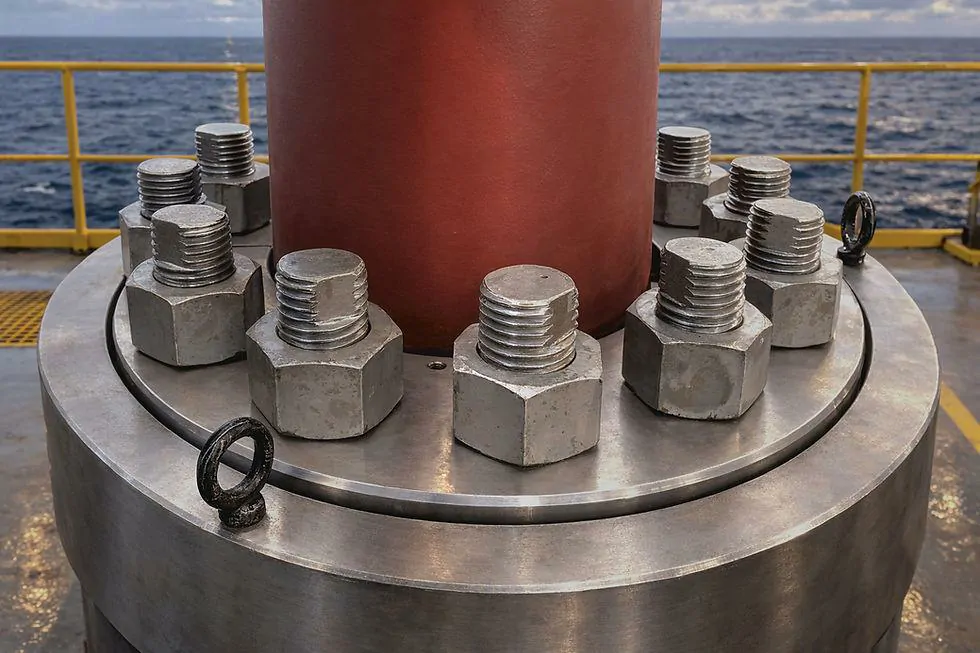
Marine and offshore environments expose fastening components to moisture, salt spray, and chloride-containing conditions that can accelerate corrosion. Stainless steel fasteners are used in marine equipment, offshore installations, coastal infrastructure, and associated mechanical assemblies. Material selection should account for the actual exposure conditions and required service life.

Oil & Gas & Energy

Oil & Gas & Energy

Oil and gas facilities and energy infrastructure use fasteners across pipelines, processing equipment, support structures, and mechanical systems. Depending on the application, buyers may need to consider corrosion exposure, temperature, mechanical loading, dimensional requirements, and the specifications governing the assembly.

Chemical & Water Treatment

Chemical & Water Treatment

Chemical processing and water treatment facilities may expose fasteners to corrosive liquids, moisture, cleaning agents, or other demanding process conditions. The appropriate fastener material depends on the chemical composition, concentration, temperature, and exposure duration, so grade selection should be based on the actual operating environment.

Machinery & Industrial Equipment

Machinery & Industrial Equipment

Industrial machinery and equipment rely on fasteners to connect components, secure assemblies, and support maintenance and replacement operations. Consistent dimensions and thread specifications are particularly important when equipment is manufactured, assembled, or serviced across different production facilities.

FAQ

Q1: What are standard fasteners?
A: Standard fasteners are bolts, nuts, screws, washers, and other fastening components manufactured according to recognized engineering specifications. These standards define requirements such as dimensions, thread profiles, tolerances, and mechanical properties, helping ensure compatibility between components and assemblies.

Q2: What is the difference between DIN, ASME/ANSI, GB, and JIS fasteners?
A: DIN standards originated in Germany and are widely used in European and international industrial markets. ASME and ANSI standards are commonly used in North America, GB standards are China’s national standards, and JIS standards are Japanese Industrial Standards. The correct choice depends on the engineering drawing, equipment requirements, and applicable project specifications.

Q3: Can I order stainless steel fasteners to DIN, ASME, ANSI, GB, or JIS standards?
A: Yes. Tianqi Fasteners supports stainless steel fasteners manufactured to applicable DIN, GB, ASME/ANSI, and JIS specifications. Please provide the required standard number, dimensions, thread specifications, material grade, and quantity so that the requirements can be reviewed accurately.

Q4: Which stainless steel grade is best for industrial fasteners?
A: The appropriate grade depends on the operating environment and performance requirements. Grade 304 is used in many general-purpose applications, while 316 and 316L are often considered for more demanding corrosion environments. Duplex 2205 may be suitable for certain applications requiring enhanced strength and corrosion resistance. Final selection should account for the specific media, temperature, loading, and service conditions.

Q5: How do I choose the right standard fasteners for my application?
A: Start with the engineering drawing or equipment specification to identify the required standard, nominal diameter, thread pitch, length, tolerance, and mechanical requirements. Then evaluate the operating environment and select a compatible material grade. For replacement components, confirm that the new fasteners match the original specifications rather than relying on nominal dimensions alone.

Q6: Can Tianqi Fasteners supply fasteners for different industrial applications?
A: Tianqi Fasteners serves a range of industrial fastening requirements, including automotive and transportation, construction and infrastructure, marine and offshore, oil and gas and energy, chemical and water treatment, and machinery and industrial equipment. Share your application, drawings, required standards, material grade, and quantity to discuss a suitable solution.