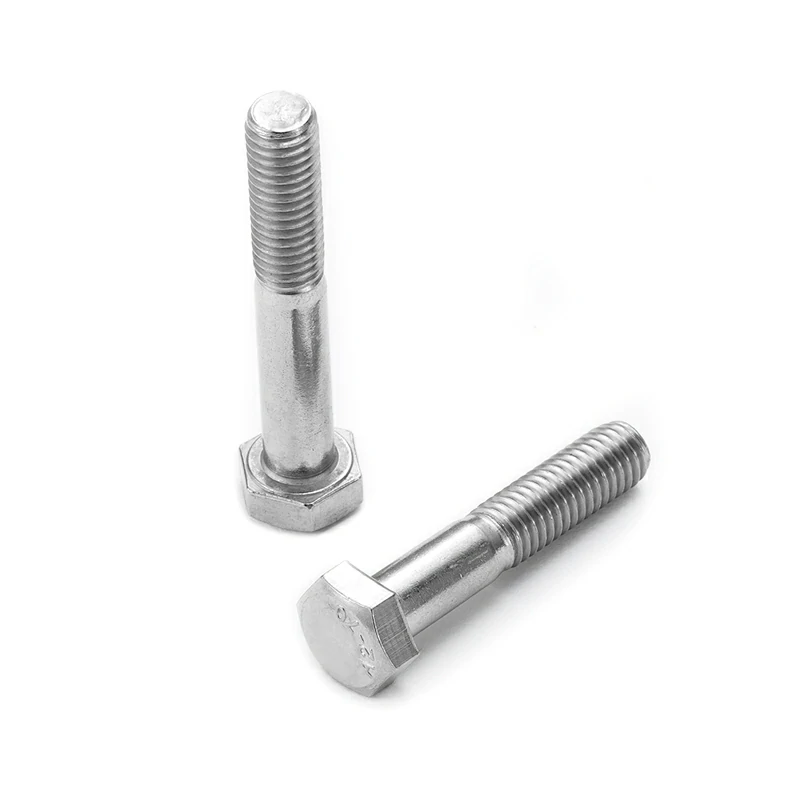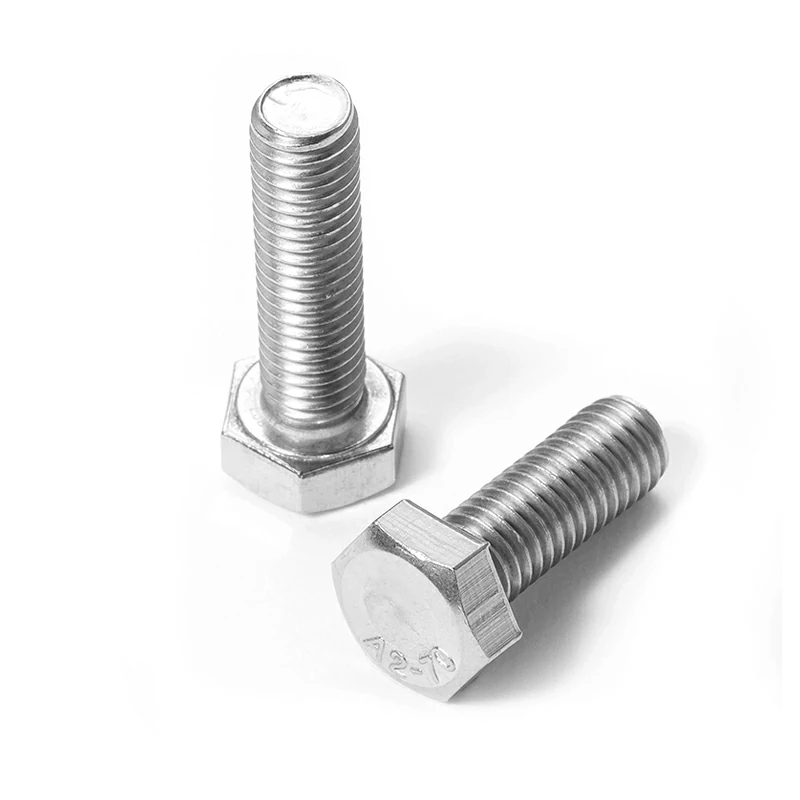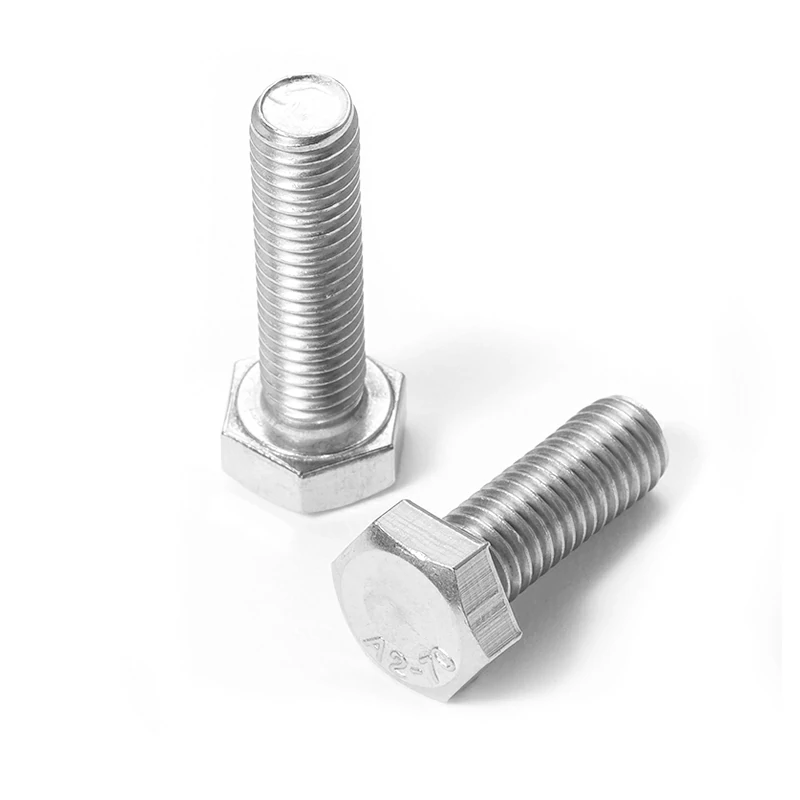
In complex engineering projects where safety, durability, and compliance are non-negotiable, the success of the entire structure often hinges on the smallest components. Whether for construction, renewable energy, or industrial applications, knowing how to specify stainless steel fasteners ensures optimal performance while minimizing operational risk. To specify stainless steel fasteners correctly, engineers must look beyond simple dimensions and evaluate the interplay between material science, environmental stressors, and mechanical requirements.
This fastener specification guide provides a structured approach to selecting the materials, standards, and surface treatments necessary for making informed, specification-driven decisions.
Why Proper Fastener Specification Matters
Incomplete or incorrect stainless steel fasteners specifications can lead to:
- Premature Corrosion: Early material failure due to environmental mismatch.
- Structural Instability: Failure under load due to incorrect mechanical properties.
- Procurement Errors: Installation inefficiencies or incompatibility with existing hardware.
- High Lifecycle Costs: Increased maintenance and frequent replacement needs.
A well-defined specification ensures consistency across the procurement, manufacturing, and installation phases.
Key Elements of Stainless Steel Fasteners Specifications
When defining specifications for stainless steel bolts and specifying screws, several critical parameters must be stated clearly.
1. Select the Correct Material Grade
The alloy grade determines the fastener’s corrosion resistance and mechanical performance. Selecting the wrong material is the most frequent cause of premature failure.
- Grade 304 (A2): The standard choice for general-purpose outdoor use in non-marine environments.
- Grade 316 (A4): The industry standard for coastal, marine, and food-grade applications due to added molybdenum for pitting resistance.
- Duplex Stainless Steel: Used for high strength and resistance to stress corrosion cracking in extreme, highly acidic, or high-load environments.
- Martensitic Grades (e.g., 410): Specified when high hardness is required, though they offer lower corrosion resistance than the 300 series.
Always match the material grade to environmental conditions and load requirements to avoid premature failure.
2. Fastener Type and Geometry
Define the specific category and geometry of the component:
- Bolts: Hex, carriage, or flange configurations.
- Screws: Self-tapping, machine, or self-drilling designs.
- Nuts and Washers: Including lock nuts, anti-theft designs, or serrated washers for grounding.
When specifying screws, always include the head type (e.g., pan, countersunk) and drive type (e.g., Phillips, Torx).
3. Dimensions and Thread Specifications
Precise dimensional data is required to ensure compatibility:
- Diameter: e.g., M6, M10.
- Length: Measured under the head.
- Thread Pitch: Coarse or fine.
- Thread Type: Metric or UNC/UNF.
Referencing ISO, DIN, or ASTM standards ensures interchangeability and global compatibility.
4. Mechanical Requirements and Standards
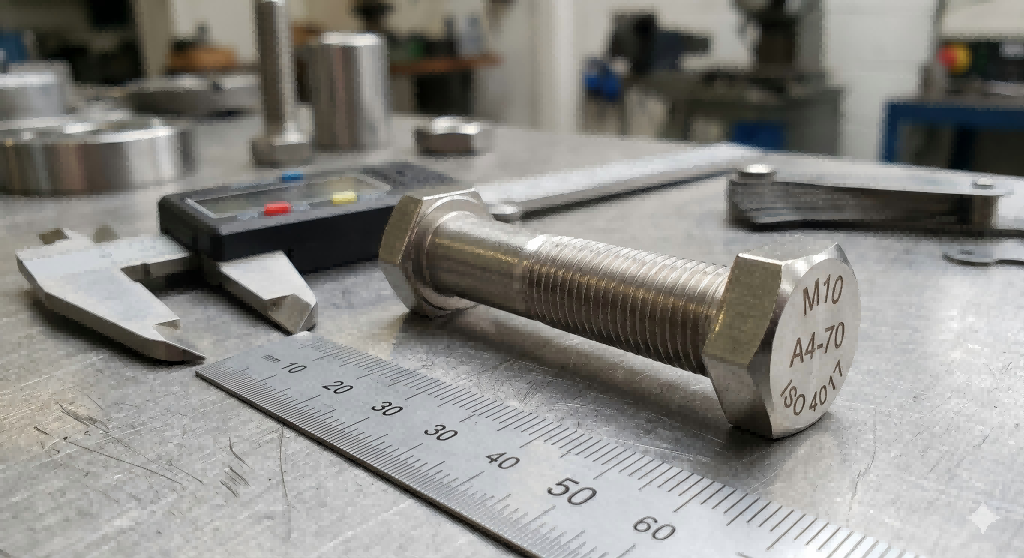
Specify the property class (e.g., Class 50, 70, or 80) to dictate the minimum tensile strength and yield stress. For structural applications, specify property classes such as A2-70 or A4-80.
5.Surface Treatment and Passivation
A critical yet often overlooked part of stainless steel fasteners specifications is post-production treatment. Surface treatment plays a crucial role in long-term corrosion resistance.
- Passivation: Removes free iron contaminants and restores the protective chromium oxide layer.
- Anti-galling coatings: Reduce friction and prevent thread seizure.
- Hygienic finishes: For food or pharmaceutical projects, specify a surface roughness (Ra) to eliminate bacterial harborage points.
Passivation is especially critical for outdoor, marine, and high-humidity environments.
6. Standards and Compliance
A robust specification must reference recognized standards to ensure quality and consistency:
- ISO / DIN: Dimensional and mechanical standards.
- ASTM (e.g., F593, F594): Material and performance requirements.
- RoHS / REACH: Environmental compliance.
Properly specifying screws and bolts using standards eliminates ambiguity during procurement.
7. Environmental and Application Conditions
Understanding the service environment is essential when selecting special stainless steel fasteners:
- Inland/Mild: Low humidity, standard atmospheric exposure.
- Marine/Coastal: High chloride exposure requiring superior corrosion resistance.
- Industrial/Chemical: Exposure to acids, pollutants, or cleaning agents.
- Hygienic Environments: Require smooth surfaces to prevent contamination.
Consider temperature fluctuations, vibration, and dynamic loads.
Example: Standard Fastener Specification Format
A clear and complete specification format ensures consistency:
Hex Bolt, M10 × 50 mm, A4-70 Stainless Steel, ISO 4017, Fully Threaded, Passivated
This standardized format simplifies communication across engineering, procurement, and suppliers.
Common Mistakes to Avoid
- Omitting material grade, leading to incorrect substitutions.
- Ignoring galvanic compatibility with dissimilar metals.
- Under-specifying mechanical properties.
- Skipping passivation requirements.
- Using vague or generic descriptions.
Best Practices for Engineers and Buyers
To ensure a project lifespan that exceeds 25 years, follow these professional standards:
- Standardize: Use a consistent format, such as: Hex Bolt, M10 × 50 mm, A4-70 Stainless Steel, ISO 4017, Fully Threaded, Passivated.
- Verify: Request Material Test Certificates (MTC) to validate alloy composition.
- Prevent Galling: Use proper torque and anti-seize lubricants during installation.
- Pair Wisely: Avoid galvanic corrosion by checking compatibility with dissimilar metals.
- Work with qualified and experienced suppliers.
- Validate samples before bulk procurement.
- Align specifications with installation processes.
A structured fastener specification guide reduces risk and improves procurement efficiency.
Conclusion
Knowing how to specify stainless steel fasteners is fundamental to engineering reliability and project success. From material grade and geometry to standards and surface treatment, every parameter contributes to performance and durability.
Well-defined specifications for stainless steel fasteners not only ensure compliance but also streamline procurement and installation. By applying a systematic approach, engineers and buyers can confidently select fasteners that deliver long-term value, safety, and performance across demanding applications.
At Tianqi Fasteners, we provide the expertise and high-precision hardware required to meet the most demanding engineering standards.