Choosing the correct fastener is essential for structural integrity, installation efficiency, and long-term reliability. In engineering, construction, machinery, and architectural systems, two of the most commonly specified Industrial Fasteners are Hex Head Bolts and Socket Head Cap Screws (SHCS). Although both are designed to secure components together, they differ significantly in head design, installation method, strength characteristics, and application suitability.
This guide explores Hex Bolts vs Socket Head Cap Screws, helping engineers, contractors, and buyers understand the differences, performance advantages, and ideal use cases for each fastening solution.
What Are Hex Head Bolts?
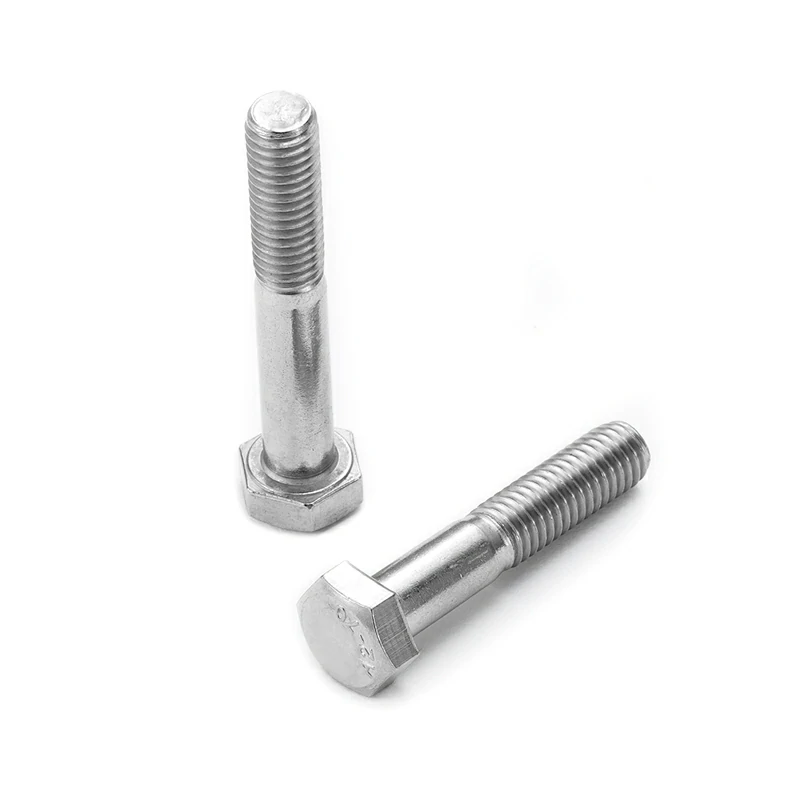
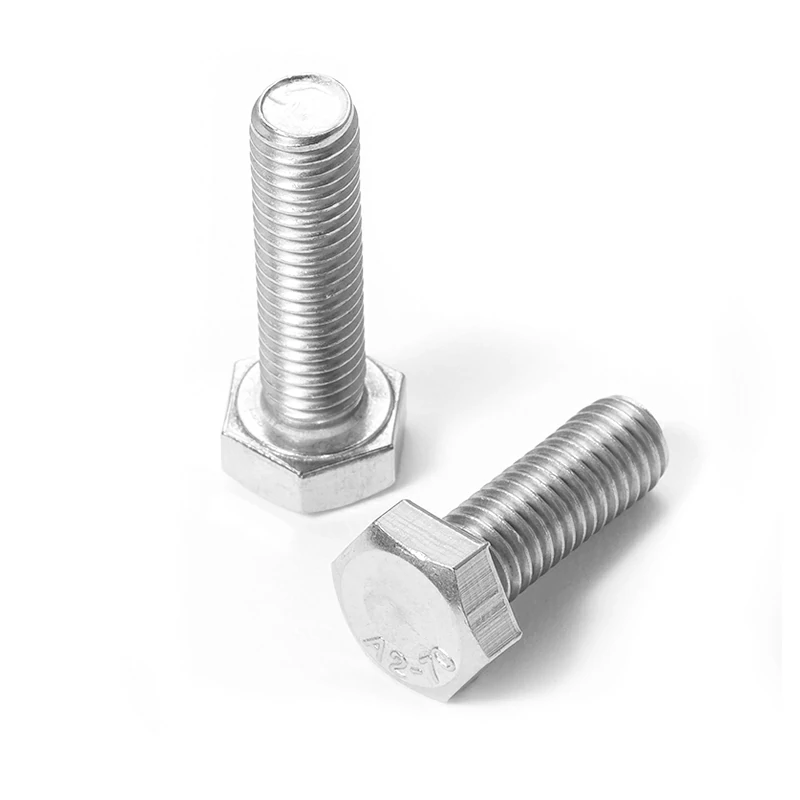
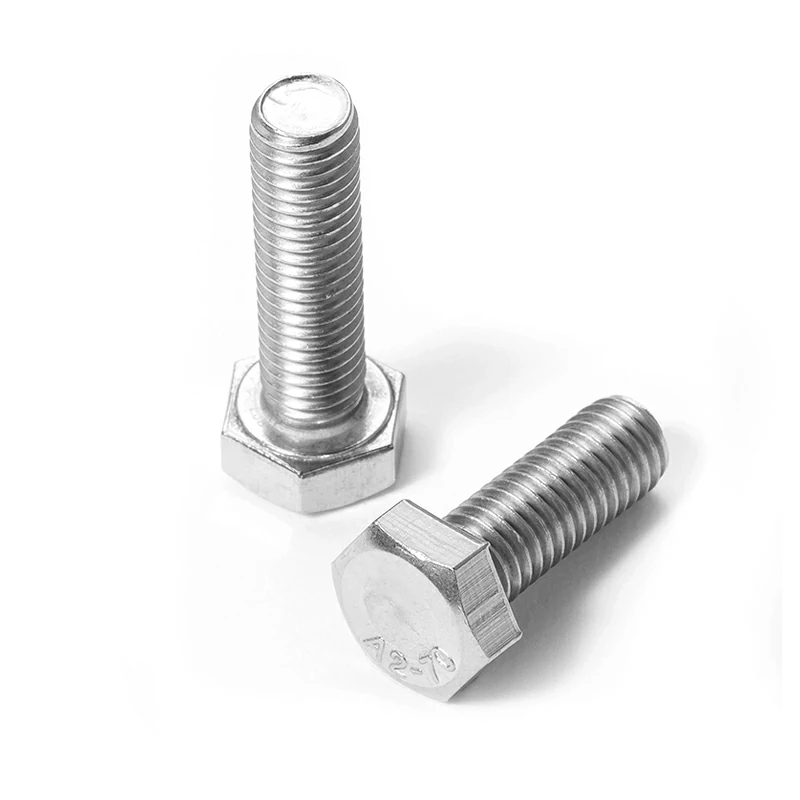
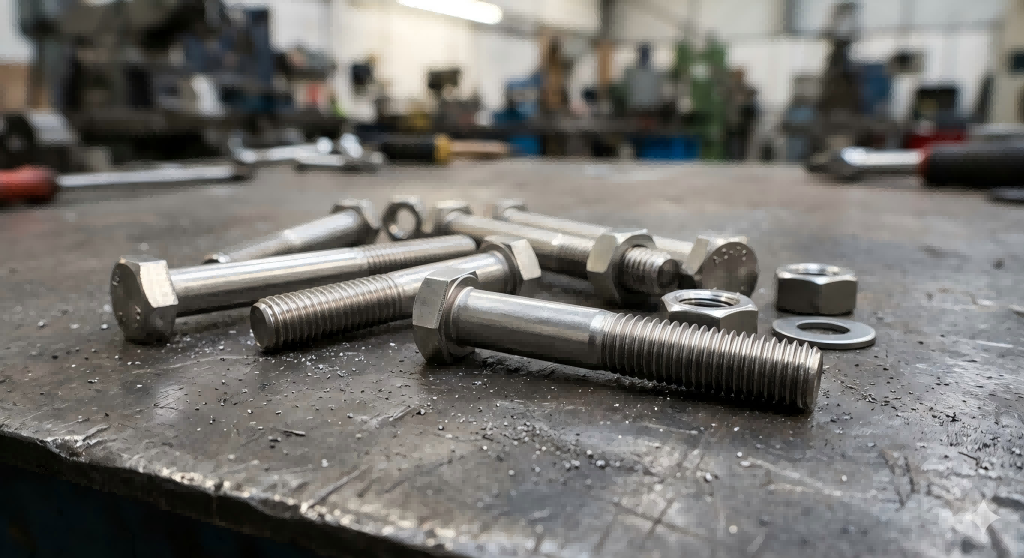
Hex Head Bolts are threaded fasteners featuring a six-sided external head designed for tightening with wrenches or socket tools. These fasteners typically protrude above the mounting surface and are widely used in structural and industrial applications.
Key Characteristics
- External hexagonal head
- Installed using open-end, box, or socket wrenches
- Available in partially threaded and fully threaded versions
- Suitable for medium to heavy-duty applications
Common Applications
Hex Head Bolts are commonly used in:
- Structural steel assemblies
- Railing and balustrade systems
- Heavy equipment
- Automotive and industrial machinery
- Construction frameworks
Their simple installation and high load-bearing capacity make them ideal for accessible fastening locations.
What Are Socket Head Cap Screws?
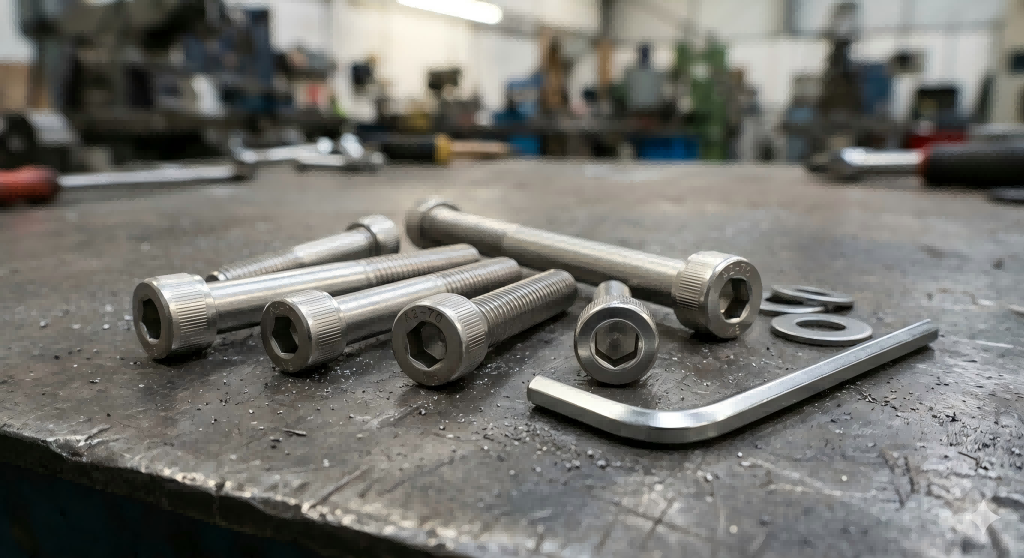
Socket Head Cap Screws are high-strength threaded fasteners with a cylindrical head and internal hexagonal drive. They are installed using Allen keys or hex drivers.
Key Characteristics
- Cylindrical head with recessed hex socket
- High tensile strength
- Compact head design
- Suitable for precision and restricted-space installations
Common Applications
Socket Head Cap Screws are widely used in:
- Precision machinery
- Robotics and automation systems
- Architectural hardware
- Aerospace and automotive assemblies
- Compact mechanical systems
Their compact geometry allows installation in confined spaces where traditional wrench clearance is unavailable.
Difference Between Hex Bolts and Socket Head Cap Screws
Understanding the Difference between hex bolts and socket head cap screws is critical when selecting fasteners for specific engineering requirements.
1. Head Design
- Hex Head Bolts: Use an external hexagonal head. Require side clearance for wrench access.
- Socket Head Cap Screws: Feature an internal hex socket. Tightened from the top using Allen tools. Require minimal surrounding clearance.
2. Installation Method
- Hex Head Bolts: Installed using spanners, adjustable wrenches, and socket wrenches.
- Socket Head Cap Screws: Installed using allen keys, hex bits, and torque hex drivers.
SHCS are more practical in confined installation environments.
3. Spatial Clearance
Hex bolts require additional “wrench clearance” around the head for tightening tools. In contrast, Socket Head Cap Screws only require internal drive clearance.
Because of this design advantage:
- SHCS can be placed closer together.
- Heads can be counterbored flush with the surface.
- They are ideal for compact assemblies and architectural systems.
This makes SHCS one of the preferred solutions for tight mechanical or architectural spaces.
4. Torque Transfer
Both fasteners can handle high torque, but their drive mechanisms differ.
- Hex bolts perform well in heavy-duty outdoor installations.
- SHCS allow efficient torque transfer within a smaller footprint.
However, worn Allen tools can damage the internal socket and reduce installation reliability.
Hex Bolt vs SHCS Torque Strength Comparison
One of the most common engineering questions is related to Hex bolt vs SHCS torque strength comparison.
Are Socket Head Cap Screws Stronger?
In many cases, yes.
Tensile Strength
Standard alloy steel Socket Head Cap Screws such as ASTM A574 are often manufactured to higher strength levels than standard hex bolts.
For example:
- SHCS can be approximately 20% stronger than Grade 8 hex bolts.
- SHCS may be nearly 50% stronger than Grade 5 hex bolts.
Property Classes
Metric SHCS are commonly available in:
- Property Class 12.9.
- Tensile strength around 176,000–180,000 PSI.
By comparison, many standard hex bolts are typically limited to:
- Grade 8.
- Approximately 150,000 PSI tensile strength.
Because of their higher-grade alloys and deeper drive engagement, SHCS can achieve greater clamp loads using smaller fasteners.
When to Use Socket Head Cap Screws vs Hex Bolts
Understanding When to use socket head cap screws vs hex bolts helps optimize both performance and installation efficiency.
Choose Hex Head Bolts When:
- Structural load distribution is critical.
- Fasteners remain exposed and accessible.
- Large assembly tools are acceptable.
- Outdoor or heavy construction conditions exist.
Typical Applications
- Steel frameworks.
- Handrail systems.
- Heavy machinery bases.
- Industrial platforms.
Choose Socket Head Cap Screws When:
- Installation space is limited.
- High clamping force is required.
- Precision alignment matters.
- Minimal visual appearance is preferred.
Typical Applications
- Precision machinery.
- Robotics systems.
- Architectural hardware.
- Compact mechanical assemblies.
Choosing the Right Fastener for Your Application
When selecting between Hex Bolts vs Socket Head Cap Screws, evaluate the following:
- Load and strength requirements.
- Installation space limitations.
- Torque specifications.
- Corrosion exposure.
- Maintenance accessibility.
- Visual and architectural preferences.
If your assembly requires recessed fastening or limited wrench access, Socket Head Cap Screws are often the better choice.
For large-scale infrastructure or outdoor installations where accessibility and cost efficiency are priorities, Hex Head Bolts remain the industry standard.
Conclusion
Understanding the differences between Hex Head Bolts and Socket Head Cap Screws is essential for proper fastener selection.
In the comparison of Hex Bolts vs Socket Head Cap Screws, neither fastener is universally superior. Socket Head Cap Screws provide higher tensile strength, compact installation, and clean aesthetics, making them ideal for precision engineering and compact assemblies. Meanwhile, Hex Head Bolts deliver reliable structural performance, easier accessibility, and cost-effective installation for heavy-duty applications.
By carefully evaluating installation conditions, strength requirements, and environmental exposure, engineers and buyers can confidently select the most suitable Industrial Fasteners for safe, durable, and high-performance assemblies.