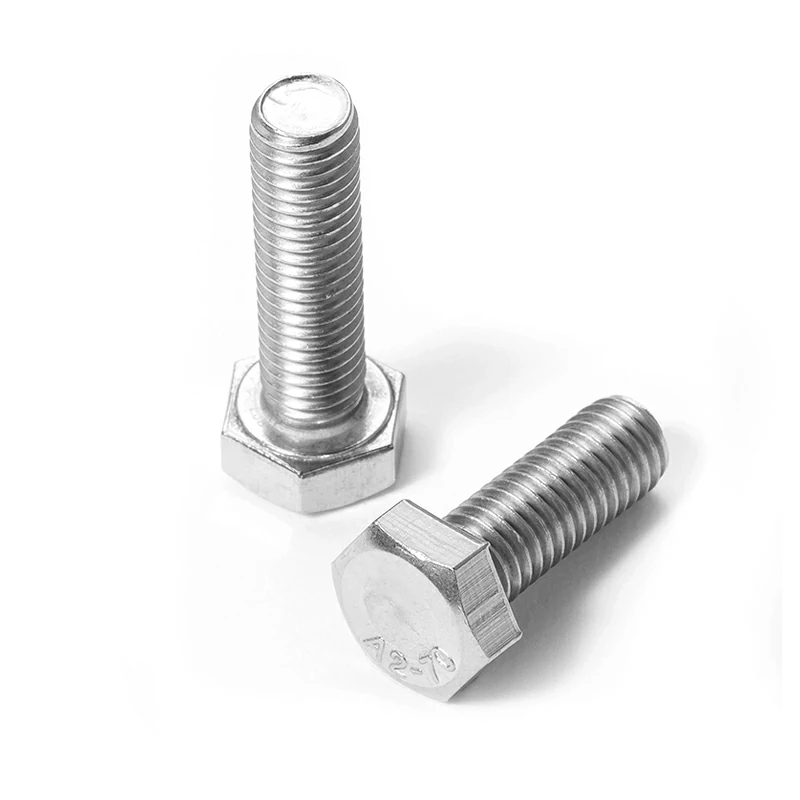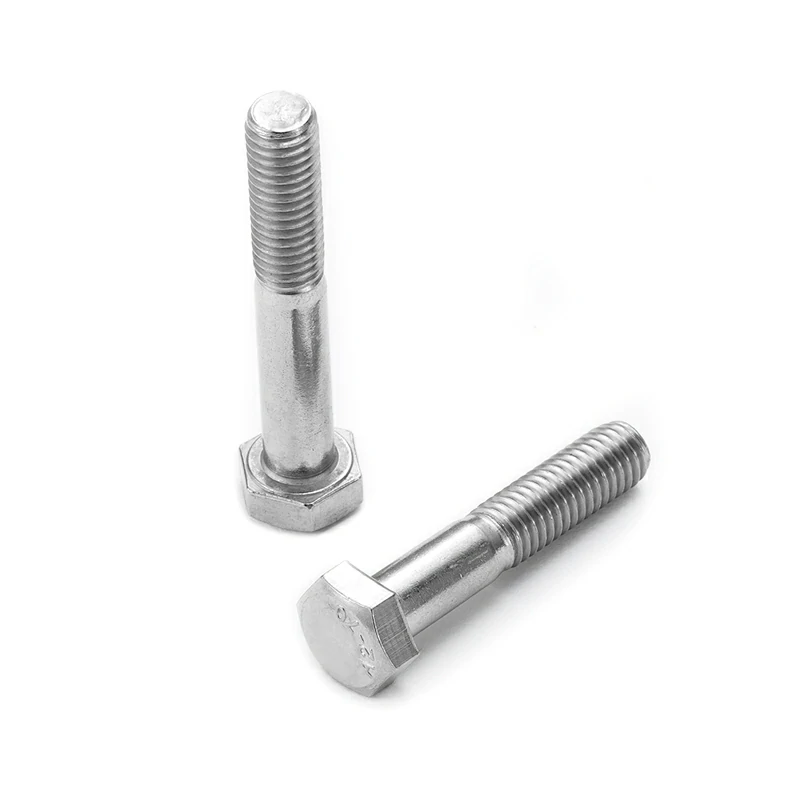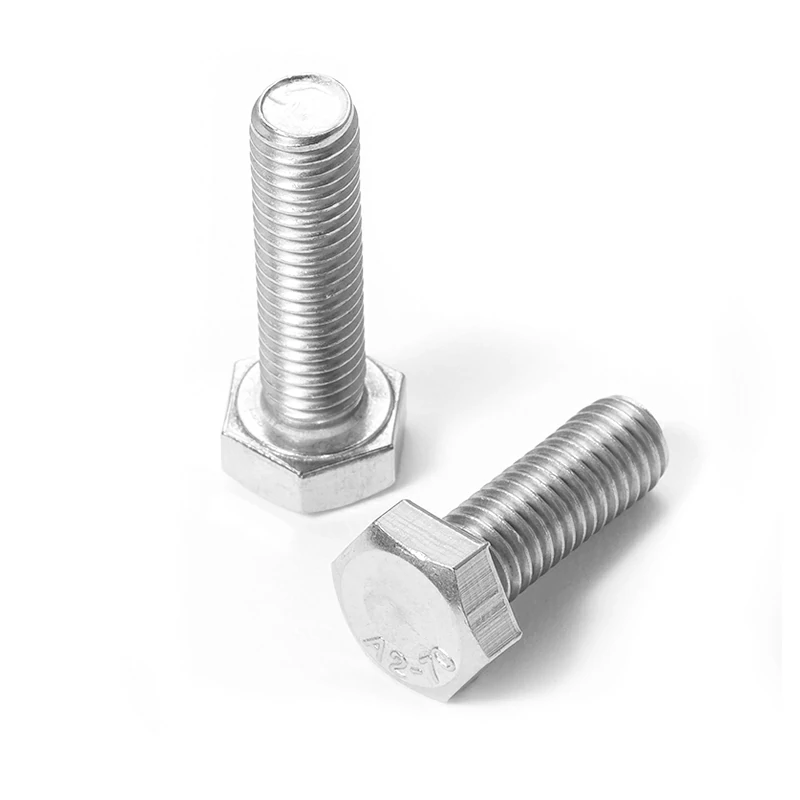
Selecting the correct fastening solution is essential for structural durability, corrosion resistance, and long-term safety. Different building materials require different fastening technologies, and choosing the wrong hardware can lead to joint failure, cracking, corrosion, or reduced load performance.
Using the appropriate Stainless steel fasteners for wood, metal, and concrete ensures reliable performance across residential, commercial, and industrial projects. From outdoor decking systems and metal roofing to concrete anchoring applications, stainless steel fasteners deliver superior resistance to moisture, chemicals, weather exposure, and rust.
This guide explains how to choose the best stainless steel fasteners for wood, metal, and concrete applications, helping contractors, engineers, architects, and buyers make informed decisions for long-term reliability and structural performance.
Best Stainless Steel Fasteners for Wood
Wood applications face continuous exposure to moisture, tannins, and chemicals found in pressure-treated lumber. The best fastening solutions must resist corrosion while maintaining strong holding power.
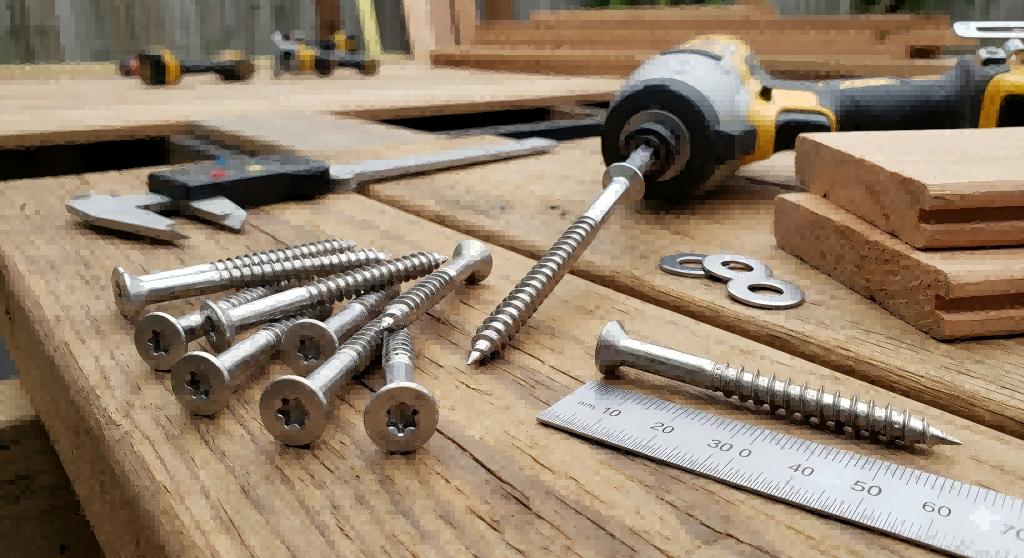
Stainless Steel Woodworking Fasteners
Stainless steel woodworking fasteners are designed with aggressive thread geometry to improve grip within timber and composite materials.
Key Features
- Coarse threads for superior pull-out resistance
- Sharp points for faster penetration
- Corrosion-resistant stainless steel construction
- Available in deck screw, structural screw, and lag screw designs
Typical Applications
- Deck construction
- Timber framing
- Outdoor fencing
- Pergolas and gazebos
- Exterior furniture
Best Stainless Steel Fasteners for Outdoor Wood Decks
Outdoor decks are constantly exposed to rain, humidity, and treated lumber chemicals that accelerate corrosion.
The Best stainless steel fasteners for outdoor wood decks are typically:
- 316 stainless deck screws
- Stainless lag screws
- Structural wood screws
- Hidden deck fastening systems
Standard coated screws may corrode quickly in these environments, while stainless steel fasteners provide long-term structural reliability and prevent rust staining on wood surfaces.
Best Stainless Steel Fasteners for Concrete
Concrete is a dense and brittle material that requires specialized anchoring systems capable of resisting pull-out forces and structural loads.
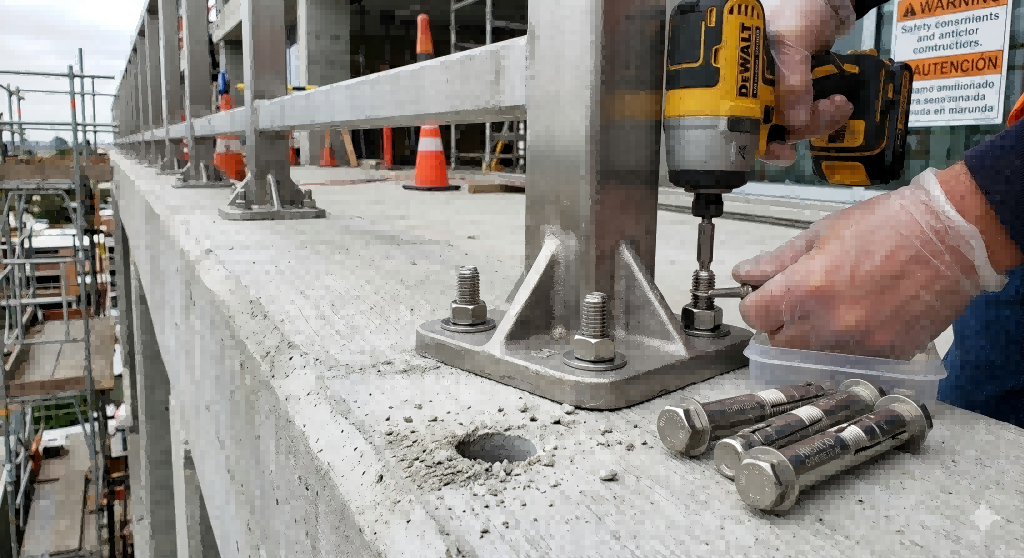
Stainless Steel Concrete Anchors
Stainless steel concrete anchors secure fixtures into concrete and masonry using expansion or adhesive mechanisms.
Common Anchor Types
- Wedge anchors
- Sleeve anchors
- Drop-in anchors
- Chemical anchors
These anchors are widely used in structural and heavy-duty installations.
Stainless Steel Concrete Bolts
Stainless steel concrete bolts are commonly specified for applications requiring high load capacity and secure structural attachment.
Typical Applications
- Structural columns
- Machinery mounting
- Safety railing systems
- Infrastructure installations
Their high strength and corrosion resistance make them suitable for both indoor and outdoor construction projects.
Stainless Steel Concrete Screws
For lighter-duty or removable applications, Stainless steel concrete screws provide direct threading into masonry without requiring separate anchors.
Advantages
- Faster installation
- Simplified removal and replacement
- Strong holding performance
- Reduced installation complexity
These fasteners are commonly used in HVAC, electrical, and light structural applications.
Best Stainless Steel Fasteners for Metal
Metal fastening applications require high strength, vibration resistance, and precise thread engagement.
Stainless Steel Metal Screws
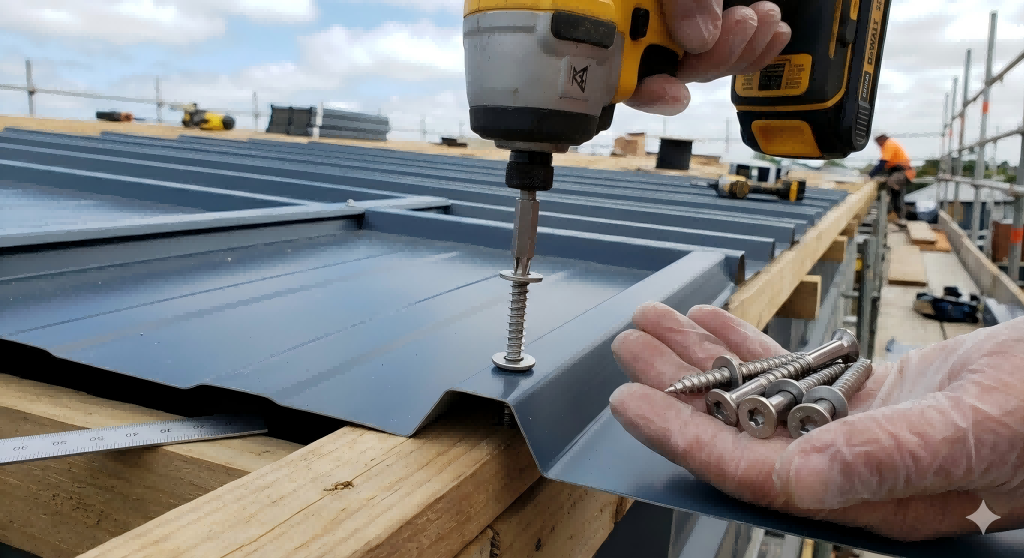
Stainless steel metal screws are engineered for sheet metal, steel framing, aluminum structures, and roofing assemblies.
Common Types
- Self-drilling screws
- Machine screws
- Tek screws
- Thread-forming screws
Fine thread designs are generally preferred for metal fastening because they provide better contact area and improved vibration resistance.
316 Stainless Steel Self-Drilling Screws for Metal Roofing
In roofing and cladding systems, 316 stainless steel self-drilling screws for metal roofing are widely used because they:
- Resist corrosion in outdoor environments
- Eliminate pre-drilling requirements
- Provide secure attachment to steel framing
- Maintain long-term weather resistance
Common Applications
- Metal roofing systems
- Solar mounting structures
- Industrial buildings
- Agricultural facilities
316 stainless steel is particularly valuable in coastal and marine environments where chloride exposure is high.
Difference Between Coarse-Thread and Fine-Thread Stainless Steel Screws
Understanding the Difference between coarse-thread and fine-thread stainless steel screws is critical for selecting the proper fastening solution.
|
Thread Type |
Advantages |
Best Applications |
|
Coarse Thread |
Faster installation, stronger grip in soft materials |
Wood and softer metals |
|
Fine Thread |
Higher tensile strength and vibration resistance |
Hard metals and precision assemblies |
General Guidelines
- Coarse threads perform better in timber and composite materials
- Fine threads are preferred for machinery, structural steel, and metal framing
Selecting the wrong thread type can reduce holding strength and long-term reliability.
How to Choose Stainless Steel Fasteners for Different Materials
Understanding How to choose stainless steel fasteners for different materials helps prevent installation failures and corrosion-related issues.
1. Material Compatibility
Each substrate requires specific fastening characteristics:
- Wood requires corrosion resistance against moisture and tannins
- Metal applications require vibration resistance and thread precision
- Concrete applications require high shear and pull-out strength
2. Environmental Conditions
Environmental exposure strongly affects fastener performance.
- Recommended Guidelines
- Indoor dry areas: 304 stainless steel
- Outdoor exposure: 316 stainless steel
- Coastal or chemical environments: 316 or duplex stainless steel
3. Load Requirements
Evaluate:
- Tensile loads
- Shear loads
- Dynamic vibration
- Thermal expansion
Structural applications should always use engineered fastening systems with verified load ratings.
4. Installation Method
Some applications require specialized fastening systems such as:
- Self-drilling screws
- Expansion anchors
- Hidden fastening systems
- Tamper-resistant fasteners
Choosing the correct installation method improves efficiency and long-term performance.
Stainless Steel Fasteners for Mixed-Material Construction
Modern architectural and industrial projects frequently involve Stainless steel fasteners for mixed-material construction, including wood-to-steel and metal-to-concrete connections.
Common Examples
- Wood cladding attached to steel frames
- Solar mounting systems
- Composite decking systems
- Architectural façade assemblies
Best Practices
- Use isolation washers when necessary
- Match fastener grade to the harshest environment
- Avoid incompatible metal combinations to reduce galvanic corrosion
Proper fastener selection significantly improves long-term structural reliability.
Common Fastener Selection Mistakes
Avoid these common installation errors:
- Using carbon steel fasteners outdoors
- Mixing incompatible metals
- Choosing incorrect thread designs
- Ignoring environmental exposure
- Underestimating load requirements
These mistakes can result in premature corrosion, fastener failure, and costly maintenance.
Conclusion
Choosing the correct Stainless steel fasteners for wood, metal, and concrete is essential for achieving long-term structural performance, corrosion resistance, and installation reliability.
Wood applications benefit from coarse-thread stainless steel woodworking fasteners, metal systems require precision-engineered stainless steel metal screws, and concrete installations depend on specialized anchors, bolts, and concrete screws.
By understanding thread design, environmental exposure, substrate compatibility, and load requirements, contractors, engineers, and buyers can confidently select the most suitable stainless steel fastening solution for every project.