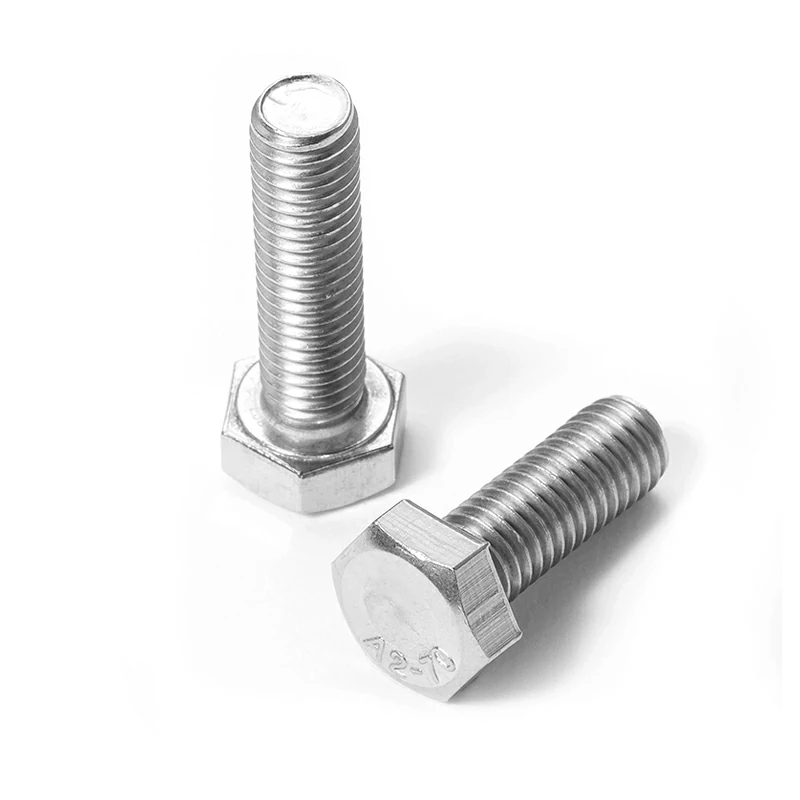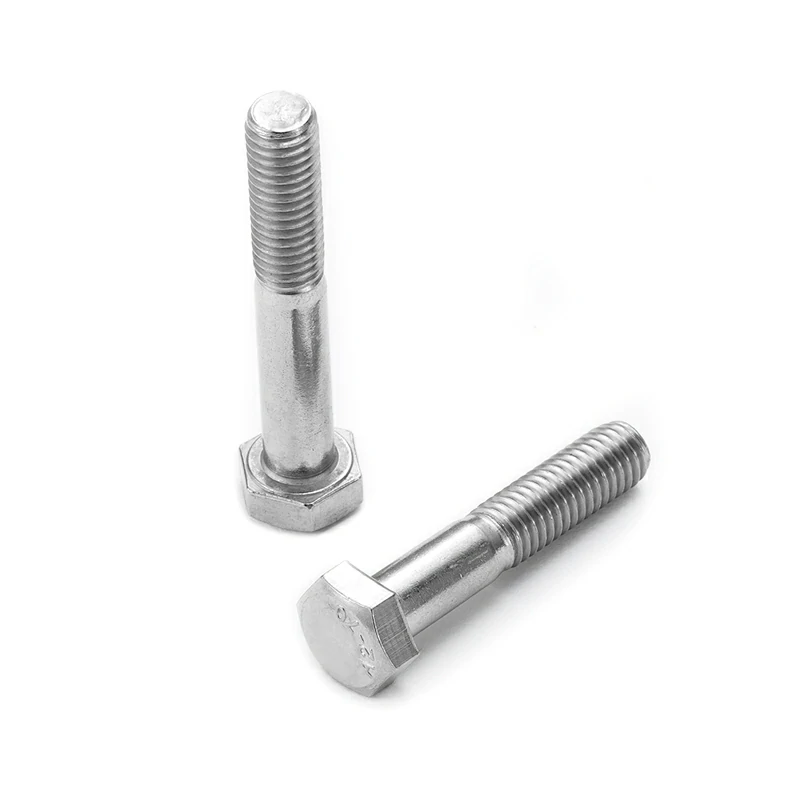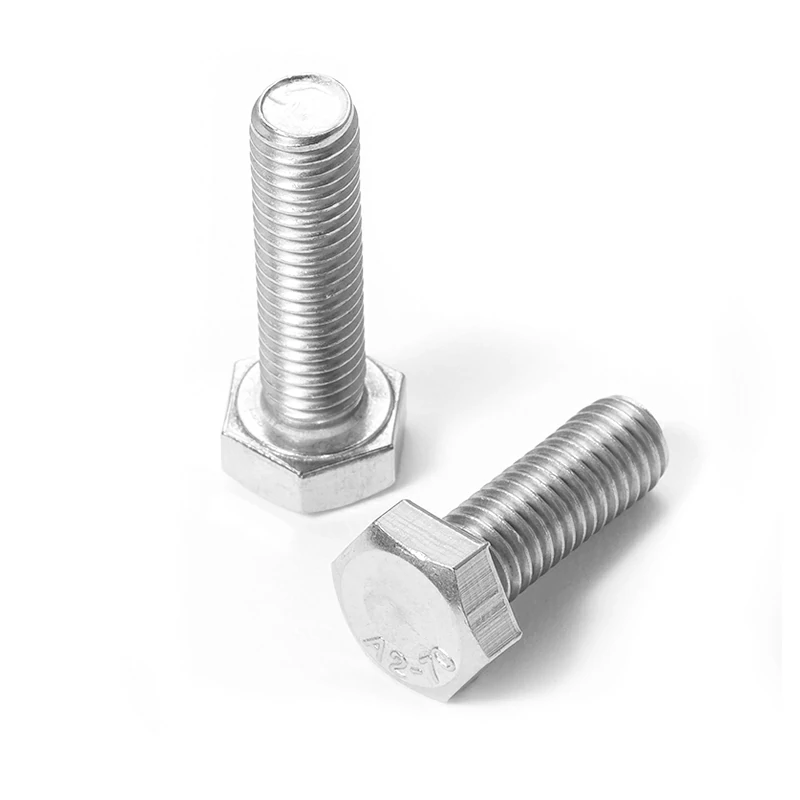
Coastal environments present some of the most demanding challenges for structural hardware. While proximity to the ocean offers stunning views, it also exposes structures to airborne salt spray, high humidity, and persistent moisture. Under these severe conditions, standard steel hardware fails rapidly, leading to catastrophic structural compromise. Constant exposure to salt spray, humidity, moisture, and airborne chlorides can rapidly accelerate corrosion and shorten the lifespan of standard fastening systems.
For docks, beachfront buildings, marine equipment, outdoor railings, and coastal infrastructure, selecting the correct Coastal Stainless Steel Fasteners is essential for long-term durability and structural reliability. This guide explains how coastal corrosion affects hardware, compares specific grades for marine use, and provides practical recommendations for selecting corrosion-resistant fastening solutions in coastal applications. Ultimately, these conditions make proper fastener selection critical for coastal construction and marine applications.
Why Coastal Environments Cause Fastener Corrosion
The primary catalyst for hardware failure in seaside zones is the high concentration of atmospheric chloride ions found in ocean mist and salt spray. When these chlorides settle on a metal surface, they systematically attack the material.
Several common coastal corrosion factors accelerate this degradation loop:
- Salt Spray Exposure: Airborne salt particles settle directly on metal surfaces and retain moisture, which directly accelerates corrosion.
- High Humidity: Persistent moisture exposure increases oxidation risk and weakens protective metal oxide layers.
- Temperature Fluctuations: Daily heating and cooling cycles can create condensation and further promote corrosion.
This environment leads to highly specialized types of material degradation:
- Pitting Corrosion: These are highly localized attacks that create microscopic holes deep into the metal shank. This process rapidly reduces the hardware’s load-bearing capacity while leaving the surface looking seemingly intact.
- Crevice Corrosion: This refers to intense oxidation that occurs in shielded, low-oxygen areas. A primary example is the hidden contact zone between a screw head and a wood deck board.
- Galvanic Corrosion: When dissimilar metals contact each other in wet environments, electrochemical corrosion may occur.
To survive these destructive mechanisms, builders must transition completely away from standard carbon steel or galvanized hardware and invest in dedicated anti rust stainless steel fasteners for coastal construction.
304 vs. 316 Stainless Steel Fasteners for Coastal Areas
Not all stainless steel grades perform equally in marine environments. When browsing outdoor stainless steel fasteners, the two most common options you will encounter are Grade 304 and Grade 316. Understanding the precise metallurgical differences between them is essential for making the right procurement decision.
The primary alloy composition comparison highlights their distinct properties:
- Grade 304: Composed of Chromium + Nickel, making it highly prone to tea-staining in marine air.
- Grade 316: Composed of Chromium + Nickel + MOLYBDENUM, which actively resists chloride pitting.
Grade 304 Stainless Steel
Grade 304 is the traditional industry standard for general outdoor use. While it provides excellent rust protection in inland urban environments, it fundamentally lacks the necessary resistance to heavy salt exposure. Within months of installation near a coastline, 304 hardware often develops a cosmetic rust film known as “tea-staining”. Over time, in coastal environments with heavy salt exposure, 304 stainless steel may eventually develop surface rust or pitting corrosion. Consequently, 304 is generally better suited for inland outdoor projects rather than direct marine exposure.
Grade 316 Stainless Steel
For genuine marine exposure, Grade 316 hardware serves as the baseline professional standard. The critical difference lies directly in its chemical composition: Grade 316 contains 2% to 3% Molybdenum. This specific elemental addition fundamentally alters the alloy’s passive surface layer, giving it superior resistance to chloride-induced pitting and crevice corrosion. For most marine applications, Grade 316 provides a significantly longer service life than Grade 304.
The Verdict
When evaluating the best stainless steel fasteners for coastal environments, Grade 316 (often sold as “marine grade”) should always be selected for any structure located within 3 to 5 miles of the ocean line.
Choosing Stainless Steel Fasteners for Marine Applications
When systematically choosing stainless steel fasteners for marine applications, several important factors should be carefully evaluated by your team:
- Exposure Level: Determine whether the fastener will experience direct saltwater contact, salt spray exposure, high humidity only, or intermittent marine exposure. The more severe the environmental exposure, the more critical high-grade 316 stainless steel fasteners become.
- Structural Load Requirements: Carefully consider target tensile loads, shear loads, vibration conditions, and potential thermal expansion. Fasteners in marine structures frequently experience continuous dynamic stress.
- Material Compatibility: Avoid combining stainless steel with incompatible metals, such as untreated carbon steel or aluminum, without proper isolation. Improper combinations create severe galvanic corrosion problems.
- Surface Finish and Passivation: Utilizing high-quality surface finishing directly improves long-term corrosion resistance. Common finishing methods include passivation, electro-polishing, and mechanical polishing. Smooth metal surfaces naturally retain less salt contamination and moisture.
Stainless Steel Fasteners for Docks and Marine Structures
Certain coastal installations face a double threat: atmospheric salt spray combined with intermittent or continuous saltwater submersion. Deploying the wrong hardware in these heavy exposure zones can cause sudden, catastrophic mechanical failures.
Tidal and Submerged Zones
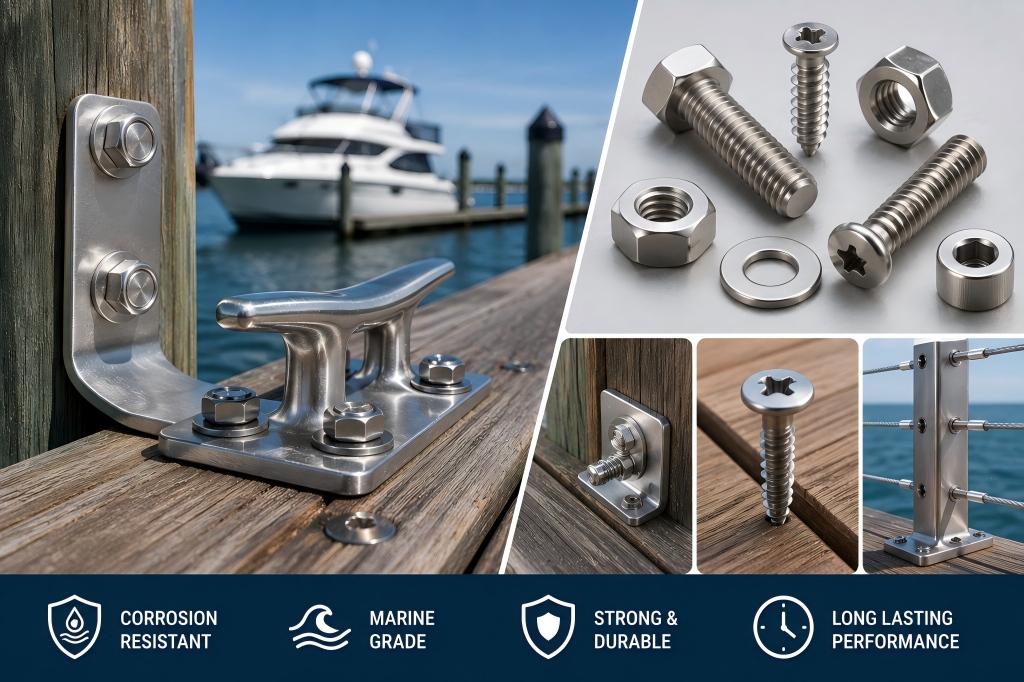
For hardware deployed on boardwalks, piers, seawalls, and specialized stainless steel fasteners for docks and marine structures, Grade 316 is entirely mandatory. In extreme cases—such as heavy tropical marine environments with warm, highly stagnant water—specialized super-austenitic or duplex stainless steel alloys may be specified to achieve an even higher Pitting Resistance Equivalent Number (PREN).
Architectural Coastal Frameworks
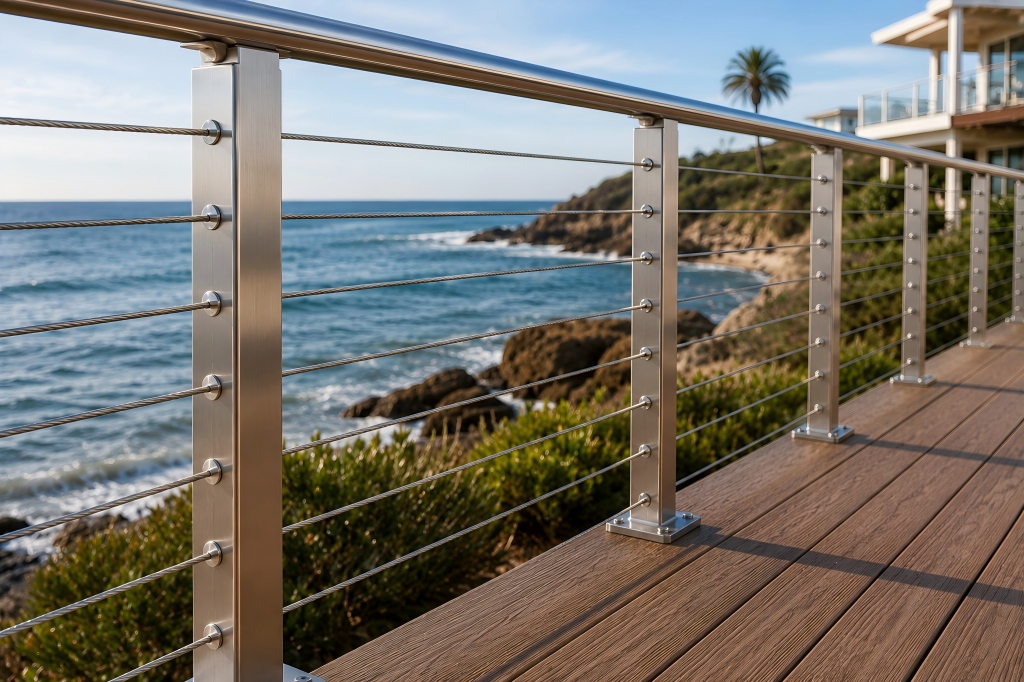
Even if a building sits a few blocks back from the shore, roof components, coastal deck framing, and window installations still require high-quality marine stainless steel screws. Salt air can easily migrate miles inland, trapping corrosive moisture deep inside wall cavities and structural joints.
How to Prevent Rust on Coastal Fasteners
Material selection is only the first step in protecting your infrastructure. To ensure absolute structural longevity and prevent sudden breakdown, implement these field installation best practices:
- Eliminate Dissimilar Metal Contact (Galvanic Isolation): Never pair stainless steel fasteners directly with copper, carbon steel, or aluminum structural elements. In a coastal environment, saltwater acts as a highly conductive electrolyte, forming a galvanic cell that will rapidly corrode the non-stainless metal. Always isolate the metals using non-conductive nylon, EPDM, or Teflon washers.
- Utilize High-Quality Anti-Seize Lubrication: Stainless steel alloys are highly susceptible to thread galling (friction-welding) during high-speed installation. Treat heavy-duty anti corrosion stainless steel bolts with a dedicated marine-grade, nickel-based anti-seize lubricant before driving them. This ensures accurate torque values and allows for clean disassembly during future maintenance.
- Implement Routine Fresh-Water Rinses: Perform regular cleaning, as the self-healing passive layer of stainless steel requires oxygen to maintain its metallurgical integrity. Periodically rinsing exposed architectural hardware with fresh water removes accumulated salt crusts, allowing oxygen to reach the metal surface and rebuild its protective chromium oxide layer.
- Avoid Surface Contamination: Carbon steel particles may contaminate stainless steel surfaces and initiate external rust staining if not controlled.
- Inspect Fasteners Periodically: Establishing routine maintenance helps technicians detect early signs of corrosion before structural damage occurs. Understanding exactly how to prevent rust on coastal fasteners is essential for extending project service life.
Summary Checklist for Coastal Procurement
Before kicking off your next seaside build, ensure your hardware workflow completely meets these manufacturing and field standards:
- Verify the Alloy: Ensure all hardware specified within a 5-mile coastal radius is strictly Grade 316 (A4) stainless steel.
- Slow Down Installation: Avoid using high-impact drivers at maximum RPMs to protect the threads from thermal galling.
- Isolate Components: Use protective washers when fastening into aluminum coastal railings or carbon steel frames.
- Clean the Threads: Verify that all pre-drilled holes are completely clear of debris or iron filings before introducing the hardware.
Watch Out for Common Installation Errors
Improper installation can severely reduce corrosion resistance even when premium fasteners are used. Always avoid these common errors:
- Mixing incompatible metals
- Damaging passivated surfaces
- Over-tightening fasteners
- Using incorrect washers
- Allowing standing water accumulation
Applying correct installation practices is essential for maximizing fastener performance in marine conditions.
Conclusion
Choosing stainless steel fasteners for coastal environments requires moving past general-purpose construction hardware and adopting true marine-grade solutions. Selecting the correct Coastal Stainless Steel Fasteners is essential for ensuring long-term durability in saltwater and marine environments. Compared with standard fasteners, 316 stainless steel fasteners provide superior resistance to chloride corrosion, pitting, and harsh outdoor exposure.
While Grade 316 stainless steel carries a higher upfront material cost than Grade 304 or galvanized steel, it completely eliminates the financial risks of premature structural failure, frequent repairs, and liability. Proper material selection, installation methods, and maintenance practices significantly improve fastener lifespan and reduce maintenance costs. Whether used in docks, beachfront buildings, marine railings, or outdoor infrastructure, high-quality stainless steel fasteners provide reliable performance and long-term corrosion protection for demanding coastal applications.