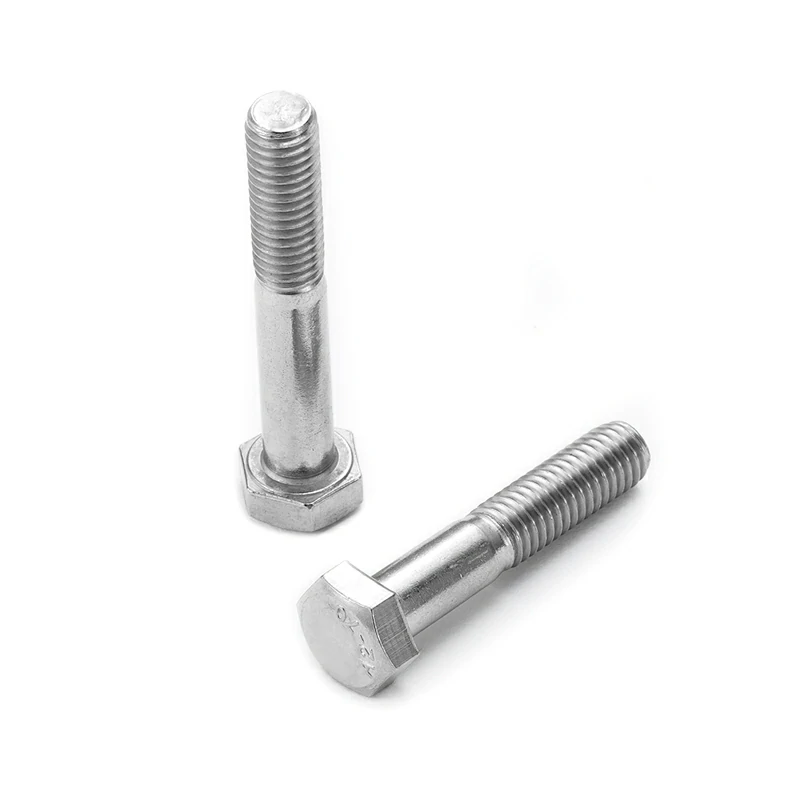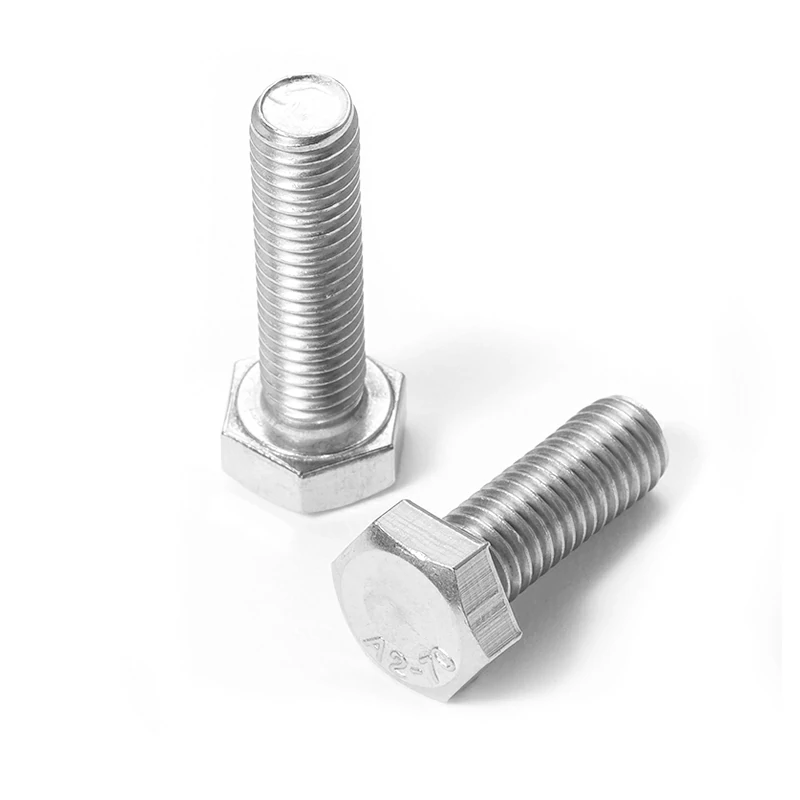
Stainless steel fasteners are widely chosen for their durability and corrosion resistance, yet many buyers still ask an important question: do stainless steel fasteners rust? While stainless steel offers superior protection compared to carbon steel, it is not completely immune to corrosion. Understanding why stainless steel fasteners rust in certain conditions is critical for selecting the right fastener for long-term performance.
This article explains how corrosion occurs, why stainless fasteners sometimes rust, and how to choose the best corrosion resistant screws and bolts for your application.
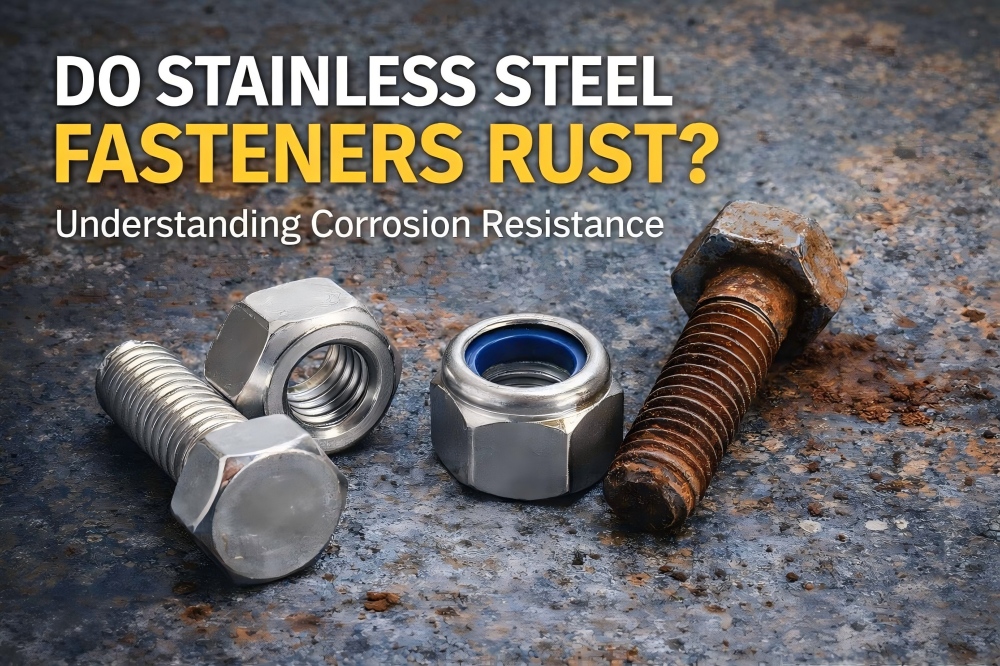
Do Stainless Steel Fasteners Rust?
Yes, stainless steel fasteners can rust, but under specific conditions. Stainless steel resists corrosion due to chromium in the alloy, which forms a thin, invisible passive oxide layer on the surface. This layer protects the metal from moisture and oxygen—key elements that cause rust.
However, when this protective layer is damaged or overwhelmed, stainless steel bolts rust and stainless steel screws rust, particularly in aggressive environments. Stainless steel is corrosion-resistant, not rust-proof.
Why Stainless Steel Fasteners Can Still Corrode
Several environmental and mechanical factors can compromise corrosion resistance in stainless fasteners:
1. Chloride Exposure
Salt-rich environments such as coastal areas, marine applications, or de-icing salts can break down the passive layer, leading to pitting corrosion. This is one of the most common reasons stainless steel fasteners rust.
2. Chemical Contact
Acids, alkalis, and industrial cleaning agents can strip the protective oxide layer, accelerating corrosion.
3. Low-Oxygen Conditions
Stainless steel requires oxygen to maintain its passive layer. In tight joints, crevices, or submerged conditions, low oxygen levels increase corrosion risk.
4. Surface Contamination
Contact with carbon steel tools or particles during installation can cause surface rust. This contamination explains why stainless screws rust even when the base material is sound.
5. Incorrect Grade Selection
Not all stainless steel grades offer the same corrosion resistance. Choosing the wrong grade significantly increases the chance that stainless steel fasteners rust prematurely.
Corrosion Resistance of Stainless Steel Fasteners by Grade
Understanding material grades is essential when selecting corrosion resistance stainless fasteners:
- 304 Stainless Steel
Suitable for general indoor and mild outdoor use. Offers good corrosion resistance but may rust in coastal or chemical environments. - 316 Stainless Steel
Contains molybdenum, providing superior resistance to chlorides. Often considered the best corrosion resistant screws and bolts for marine, coastal, and industrial applications. - 410 / 420 Stainless Steel
Higher strength but lower corrosion resistance. More prone to rust in humid or wet conditions.
For demanding environments, 316 stainless steel is the preferred choice to minimize the risk of corrosion.
Common Myths About Stainless Steel Fasteners
Myth: Stainless steel never rusts
Reality: Stainless steel resists rust but can corrode under harsh conditions.
Myth: All stainless fasteners perform the same
Reality: Corrosion resistance varies greatly by grade and environment.
Myth: Rust indicates poor quality
Reality: Surface rust is often caused by contamination or environmental exposure, not defective material.
How to Prevent Stainless Steel Fasteners from Rusting
To extend service life and reduce corrosion risk:
- Select the correct stainless steel grade for the environment
- Use 316 stainless steel in marine or high-chloride conditions
- Avoid contact with carbon steel tools during installation
- Clean fasteners after installation to remove contaminants
- Rinse outdoor fasteners periodically to remove salt deposits
- Consider passivated fasteners for critical applications
These steps significantly reduce the likelihood that stainless steel screws rust or stainless steel bolts rust over time.
Conclusion
So, do stainless steel fasteners rust? While they offer excellent corrosion resistance, stainless steel fasteners are not completely rust-proof. Environmental exposure, grade selection, and installation practices all play a role in performance.
By choosing the right material and applying proper handling, stainless steel fasteners remain one of the most reliable solutions for long-term, corrosion-resistant fastening.
Looking for high-quality stainless steel fasteners engineered for corrosion resistance?
At Tianqi Fasteners, we specialize in high-performance hardware designed to withstand the toughest environments. Whether you need standard 304 components or the superior protection of 316 stainless steel, we have the expertise to help you find the perfect fit.