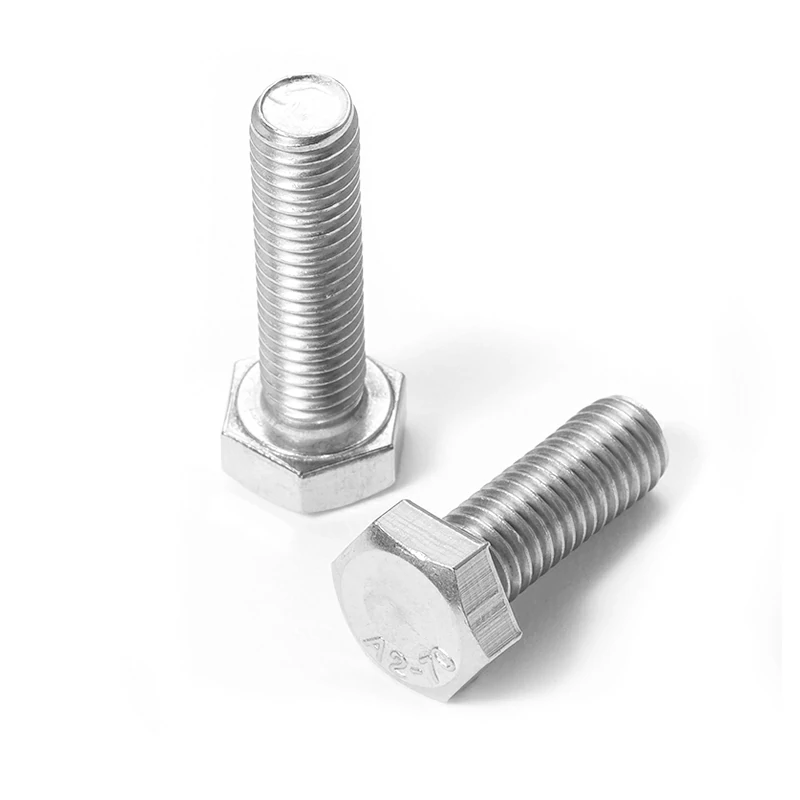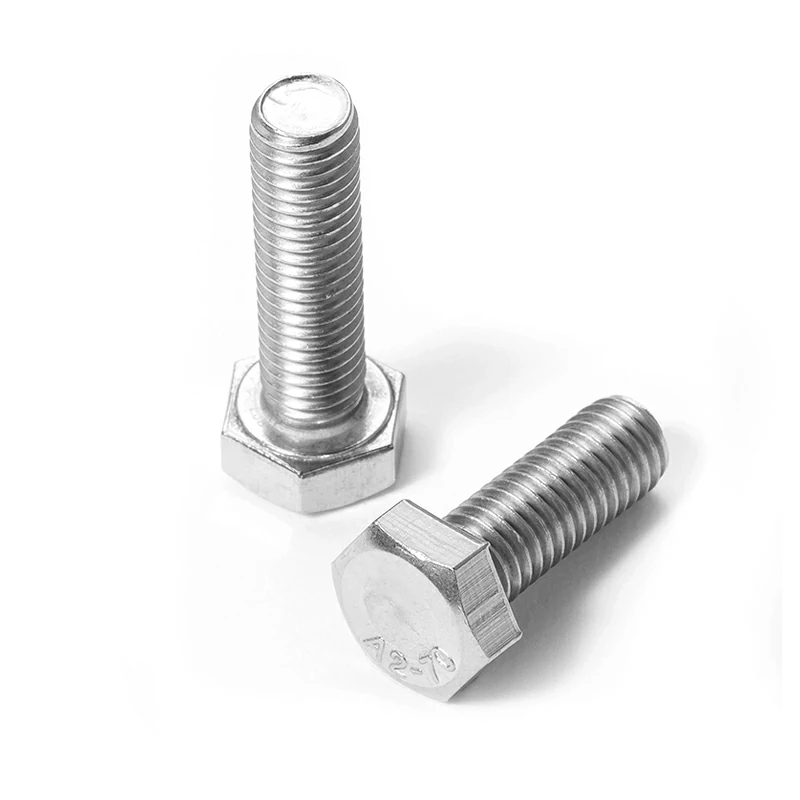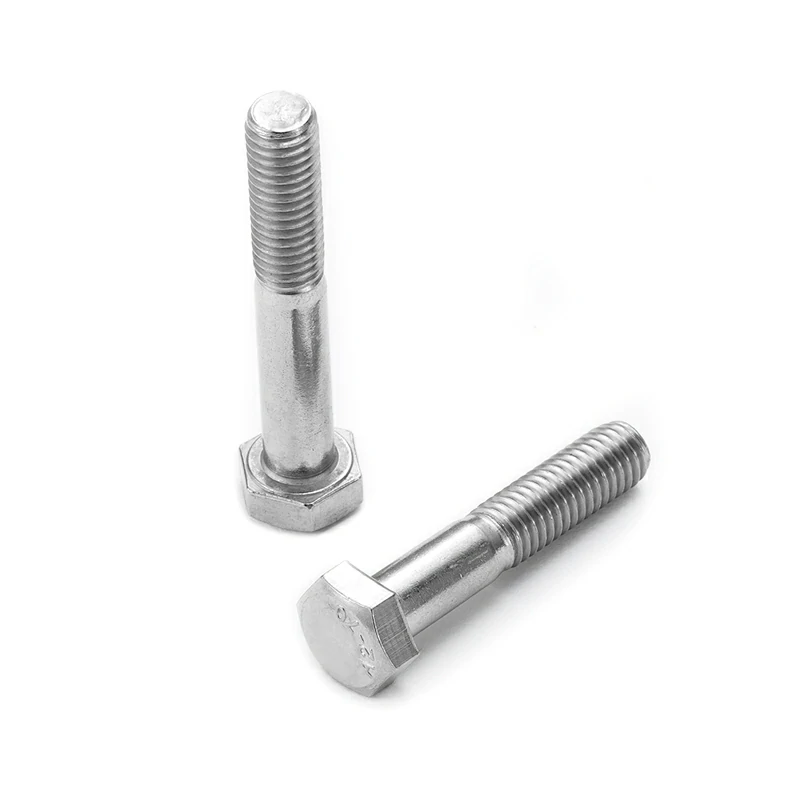
Selecting the correct measurement system is just as critical as choosing the right material grade for your project. In the world of industrial hardware, the metric vs imperial fasteners debate isn’t about which is “better,” but which one fits your specific machinery, regional standards, or legacy equipment. Misidentifying a thread can lead to stripped components, compromised structural integrity, and costly downtime.
Choosing between these systems is a common challenge in global manufacturing, maintenance, and construction. This fastener sizing guide explains the key distinctions and practical identification methods to ensure reliable performance.
What Are Metric and Imperial Fasteners?
- Metric Fasteners: These are measured using the International System of Units (millimeters). They follow standards such as ISO, DIN, and JIS, and are the dominant choice across Europe, Asia, and most international markets.
- Imperial Fasteners: Also known as inch-based fasteners, these are measured in inches and follow standards like UNC, UNF, and ANSI/ASME. They are primarily used in the United States and within legacy systems.
For stainless steel applications, both systems are widely available in grades like 304 and 316, providing essential corrosion resistance for various environments.
Key Differences: Metric vs Imperial Fasteners
Understanding the structural differences is essential when comparing metric vs imperial fasteners.
1. Measurement System
- Metric: Diameter and pitch in millimeters (e.g., M8 × 1.25)
- Imperial: Diameter in inches, pitch in threads per inch (e.g., 1/4″-20)
2. Thread Pitch
- Metric: Distance between threads
- Imperial: Number of threads per inch (TPI)
3. Markings and Identification
- Metric: Markings like 8.8, A2-70, or A4-80
- Imperial: Radial lines or grade markings such as Grade 5 or Grade 8
4. Global Usage
- Metric: Dominates international markets
- Imperial: Common in the U.S. and legacy systems
Imperial vs Metric Bolt Sizes: Why They Are Not Interchangeable
A common misconception is that similar sizes can be substituted. In reality, imperial vs metric bolt sizes are not compatible.
For example:
- M8 ≈ 8.0 mm
- 5/16″ ≈ 7.94 mm
Although the diameters are close, the thread pitch and angle differ, making them incompatible. Attempting to interchange them can result in:
- Cross-threading
- Reduced clamping force
- Fastener failure
How Do I Know if a Bolt Is Metric or Imperial?
If you are in a workshop wondering, “How do I know if a bolt is metric or imperial?” follow these three diagnostic steps:
- Check the Head Markings: Metric stainless steel bolts are typically stamped with “A2” or “A4” followed by a strength rating (e.g., A2-70). Imperial bolts often use radial lines (slashes) to denote grade or specific manufacturer logos.
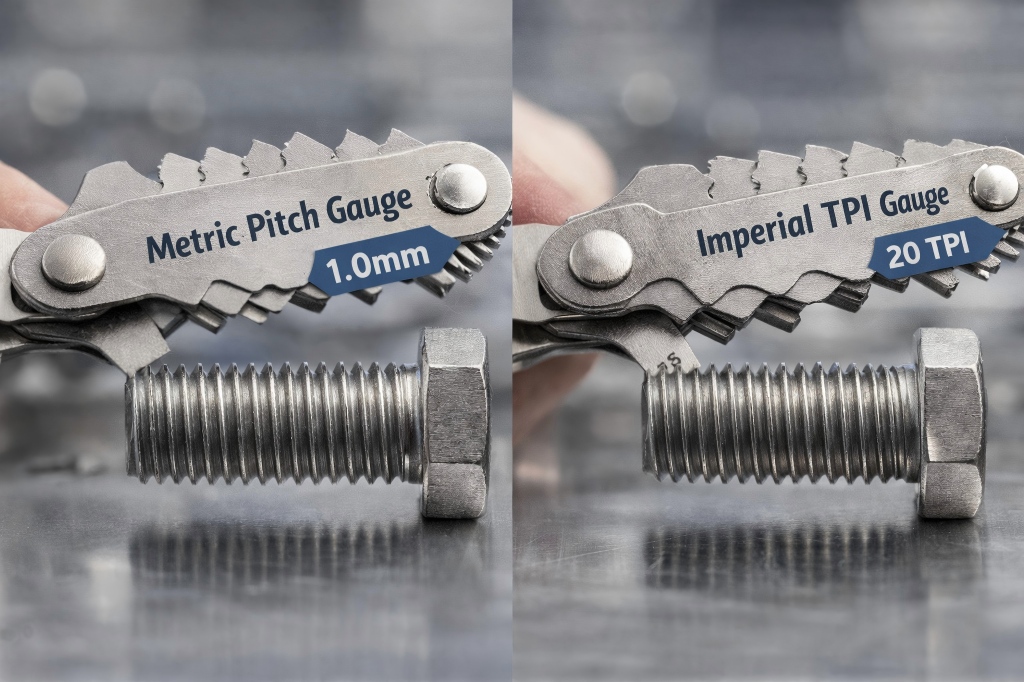
- Use a Thread Pitch Gauge: This is the most reliable method. A metric gauge will align perfectly with thread peaks at specific millimeter intervals, while an imperial gauge will match based on TPI.
- Measure the Diameter: Use a digital caliper. If the measurement is a clean whole number or common decimal in millimeters (e.g., 6.0mm, 8.0mm), it is likely metric. If it lands on a common fraction (e.g., 6.35mm = 1/4″), it is imperial.
Can You Use Metric Nuts on Imperial Bolts?
A frequent troubleshooting question is: Can you use metric nuts on imperial bolts? The answer is no—this practice is strongly discouraged. Although some combinations may seem to fit loosely, they have different pitch angles, thread spacing, and tolerances. Even if a nut starts to thread on, the difference in pitch will cause the threads to jam or “cross-thread” after only one or two turns. Forcing them with a wrench will strip the threads, destroying both components and creating a major technical failure risk in safety-critical applications.
When to Use Metric vs Imperial Fasteners
Use Metric Fasteners When:
- Working with international equipment
- Following ISO, DIN, or JIS standards
- Operating in global supply chains
- Use Imperial Fasteners When:
Maintaining U.S.-based machinery - Working with legacy systems
- Following ANSI/ASME specifications
Consistency within the same system is critical for performance and safety.
Best Practices for Selection
To ensure long-term performance and safety, follow these best practices:
- Maintain Consistency: Always verify the standard and avoid mixing metric and imperial components.
- Use Proper Tools: Rely on calipers and thread gauges rather than visual estimation.
- Consider the Environment: When choosing stainless steel grades, account for corrosion, temperature, and load requirements.
- Source Wisely: Only purchase from reliable suppliers that provide clear specifications.
Conclusion
Understanding metric vs imperial fasteners is essential for ensuring compatibility, safety, and long-term performance. While both systems serve the same purpose, their differences in sizing, thread standards, and measurement methods make them non-interchangeable. By following a proper fastener sizing guide, you can avoid costly mistakes and ensure reliable fastening in any application.
Looking for high-quality stainless steel fasteners in both metric and imperial standards? Tianqi Fasteners offers a full range of precision-engineered solutions, including DIN, ANSI/ASME, GB, and JIS fasteners.