Description
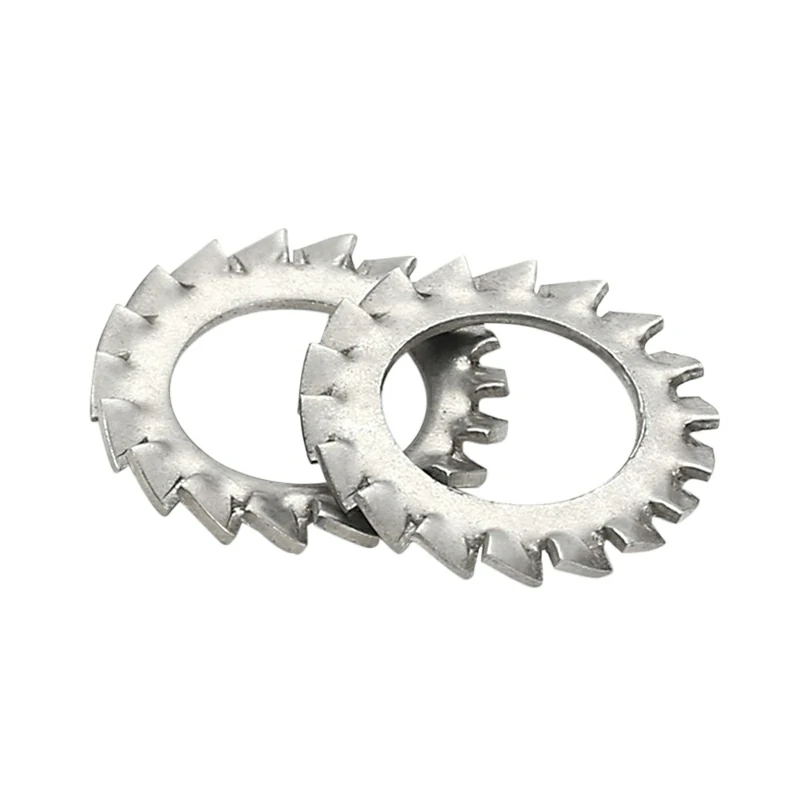
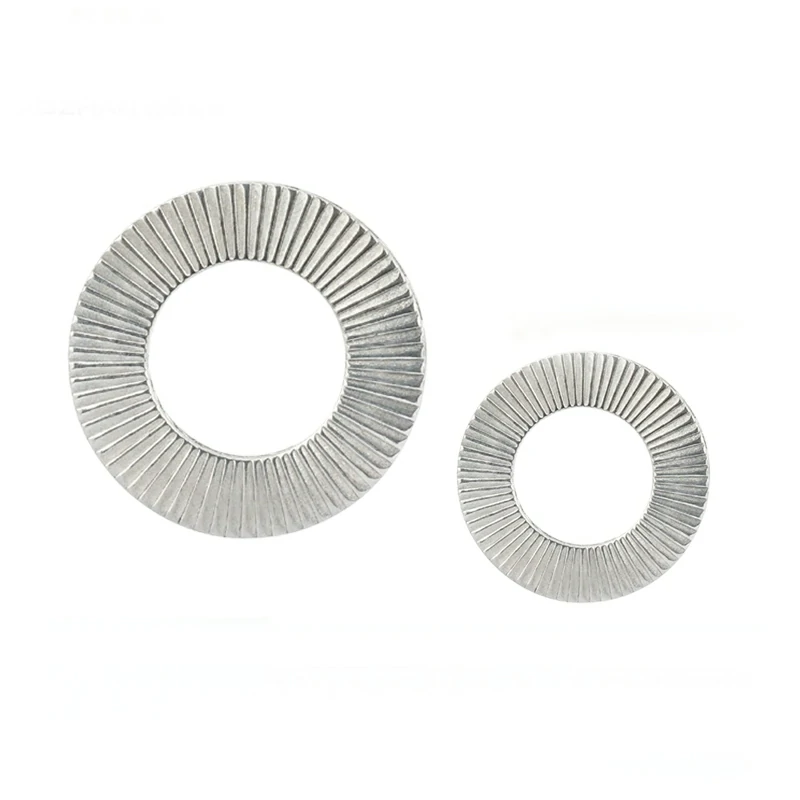
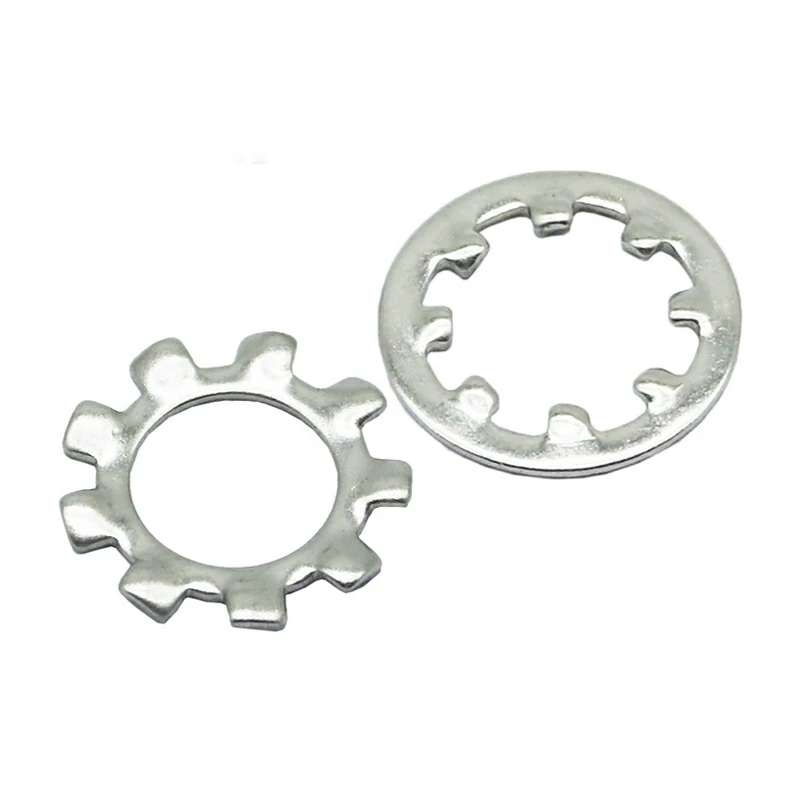
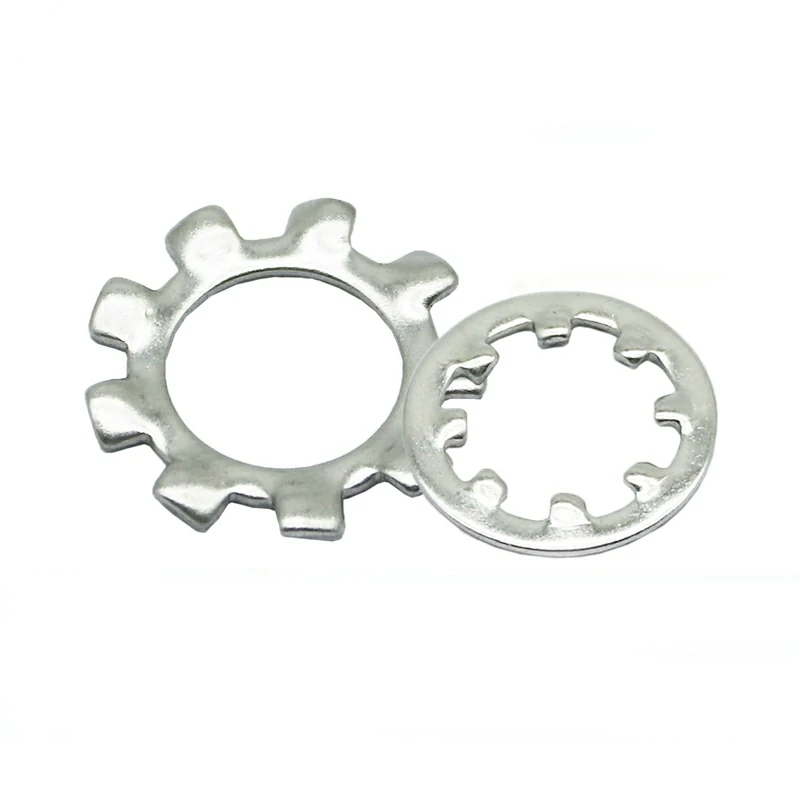
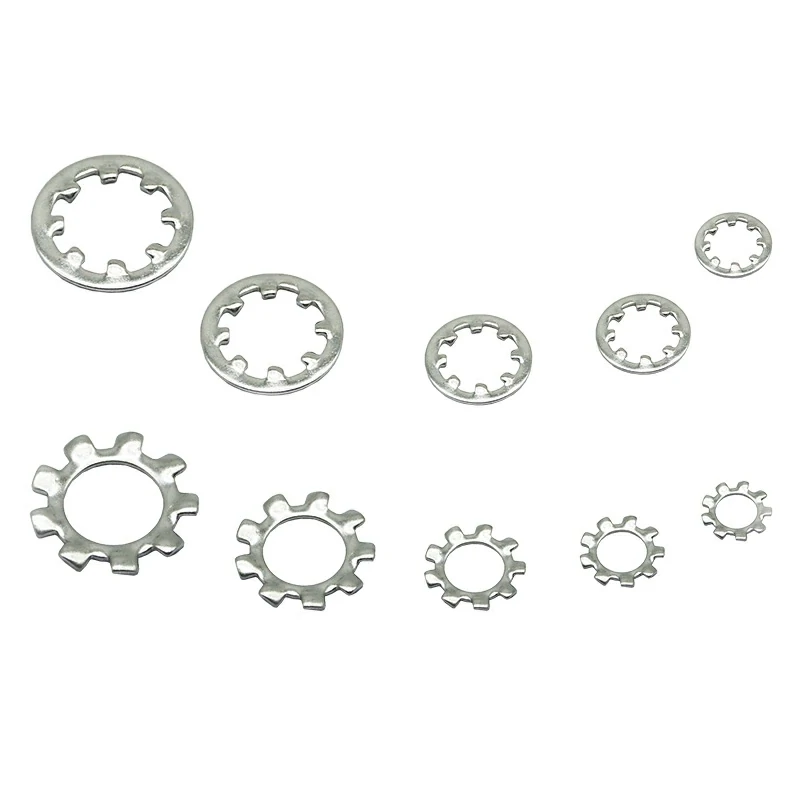
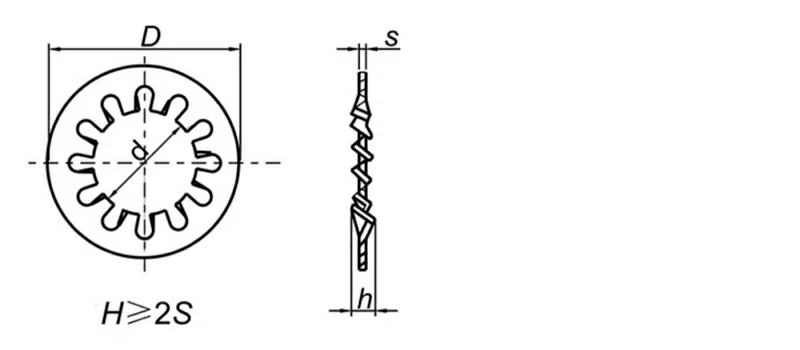
The 304 Stainless Steel Internal Tooth Lock Washer and its counterpart, the External Tooth Lock Washer, are high-performance anti-loose components engineered to prevent fastener failure caused by vibration, thermal expansion, or contraction. These washers are essential for maintaining the structural integrity of joints in high-vibration environments or extreme settings.
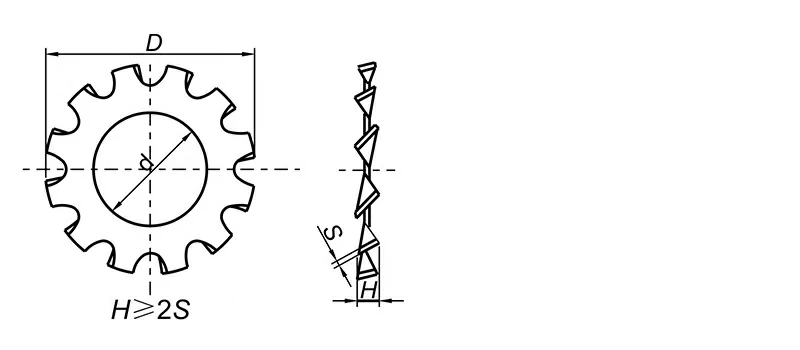
By utilizing sharp, serrated teeth, these lock washers dig into the mating surfaces to create a mechanical bond that resists rotation. The Internal Tooth Lock Washer (conforming to GB861.1) is ideal for smaller fastener heads or where a clean aesthetic is required, as the teeth remain hidden. Conversely, the External Tooth Lock Washer (GB862.1) provides a wider contact area for maximum locking force on larger surfaces. Forged from premium 304 stainless steel, these fasteners offer a perfect balance of hardness and exceptional corrosion resistance. Both designs are widely used in mechanical assemblies, electrical systems, automotive components, and structural fastening applications where secure, vibration-resistant fasteners are critical.
Features & Benefits
- Advanced Mechanical Locking: The serrated design creates a physical, multi-point lock between the fastener and the mating surface, providing a firm barrier against loosening caused by constant vibration.
- Premium 304 Stainless Steel: This stainless steel washer provides exceptional resistance to oxidation and corrosion, ensuring long-term reliability even in humid or challenging environments.
- Surface Protection & Load Distribution: While the teeth maintain a secure grip, the washer body helps distribute clamping force evenly, preventing the primary fastener from severely marring the contact surface.
- High Structural Stability: Engineered for high hardness, these washers maintain their shape under intense pressure with no significant deformation, ensuring a consistent and reliable fit for bolts and screws.
Specification
|
Specification (large diameter of thread) |
d |
D |
s |
Number of teeth |
The weight of every 1000 steel products is ≈kg |
||
|
min |
max |
min |
max |
min |
|||
|
2 |
2.2 |
2.45 |
4.2 |
4.5 |
0.3 |
6 |
0.2 |
|
2.5 |
2.7 |
2.95 |
5.2 |
5.5 |
0.3 |
6 |
0.3 |
|
3 |
3.2 |
3.5 |
5.7 |
6 |
0.4 |
6 |
0.4 |
|
4 |
4.3 |
4.6 |
7.64 |
8 |
0.5 |
8 |
0.10 |
|
5 |
5.3 |
5.6 |
9.64 |
10 |
0.6 |
8 |
0.18 |
|
6 |
6.4 |
6.76 |
10.6 |
11 |
0.6 |
8 |
0.21 |
|
8 |
8.4 |
8.76 |
14.6 |
15 |
0.8 |
8 |
0.47 |
|
10 |
10.5 |
10.93 |
17.6 |
18 |
1 |
9 |
0.80 |
|
12 |
12.5 |
12.93 |
20 |
20.5 |
1 |
10 |
1.12 |
|
14 |
14.5 |
14.93 |
23.5 |
24 |
1.2 |
10 |
1.69 |
|
16 |
16.5 |
16.93 |
25.5 |
26 |
1.2 |
12 |
2.10 |
|
18 |
19 |
19.52 |
29.5 |
30 |
1.5 |
12 |
3.14 |
|
20 |
21 |
21.52 |
32.4 |
33 |
1.5 |
12 |
3.80 |
|
Specification (large diameter of thread) |
d |
D |
s |
Number of teeth |
The weight of every 1000 steel products is ≈kg |
||
|
min |
max |
min |
max |
min |
|||
|
2 |
2.2 |
2.45 |
4.2 |
4.5 |
0.3 |
6 |
0.2 |
|
2.5 |
2.7 |
2.95 |
5.2 |
5.5 |
0.3 |
6 |
0.2 |
|
3 |
3.2 |
3.5 |
5.7 |
6 |
0.4 |
6 |
0.4 |
|
4 |
4.3 |
4.6 |
7.64 |
8 |
0.5 |
8 |
0.9 |
|
5 |
5.3 |
5.6 |
9.64 |
10 |
0.6 |
8 |
0.18 |
|
6 |
6.4 |
6.76 |
10.6 |
11 |
0.6 |
8 |
0.19 |
|
8 |
8.4 |
8.76 |
14.6 |
15 |
0.8 |
8 |
0.54 |
|
10 |
10.5 |
10.93 |
17.6 |
18 |
1 |
9 |
0.92 |
|
12 |
12.5 |
12.93 |
20 |
20.5 |
1 |
10 |
1.09 |
|
14 |
14.5 |
14.93 |
23.5 |
24 |
1.2 |
10 |
1.94 |
|
16 |
16.5 |
16.93 |
25.5 |
26 |
1.2 |
12 |
2.07 |
|
18 |
19 |
19.52 |
29.5 |
30 |
1.5 |
12 |
3.66 |
|
20 |
21 |
21.52 |
32.4 |
33 |
1.5 |
12 |
4.34 |
FAQ:
Q1: What is an Internal Tooth Lock Washer used for?
A: It prevents nuts and bolts from loosening by creating mechanical resistance between the fastener and the mating surface through serrated internal teeth.
Q2: When should I choose an Internal Tooth Lock Washer over an External one?
A: The choice depends on your specific assembly. Use an Internal Tooth Lock Washer for smaller screw heads or when you want the teeth hidden for a smoother appearance. Choose the External version when you have a larger contact area and require the highest possible locking torque.
Q3: Do these washers damage the surface they are tightened against?
A: Tooth lock washers are designed to "bite" into the material to prevent rotation. While they are engineered to distribute loads and prevent severe marring by the fastener head itself, the teeth will leave small indentations, which is exactly how the mechanical lock is achieved.
Q4: Are these compatible with both bolts and screws?
A: Yes. These fasteners are designed for high structural stability and maintain a reliable fit with a wide range of standard bolts and screws.