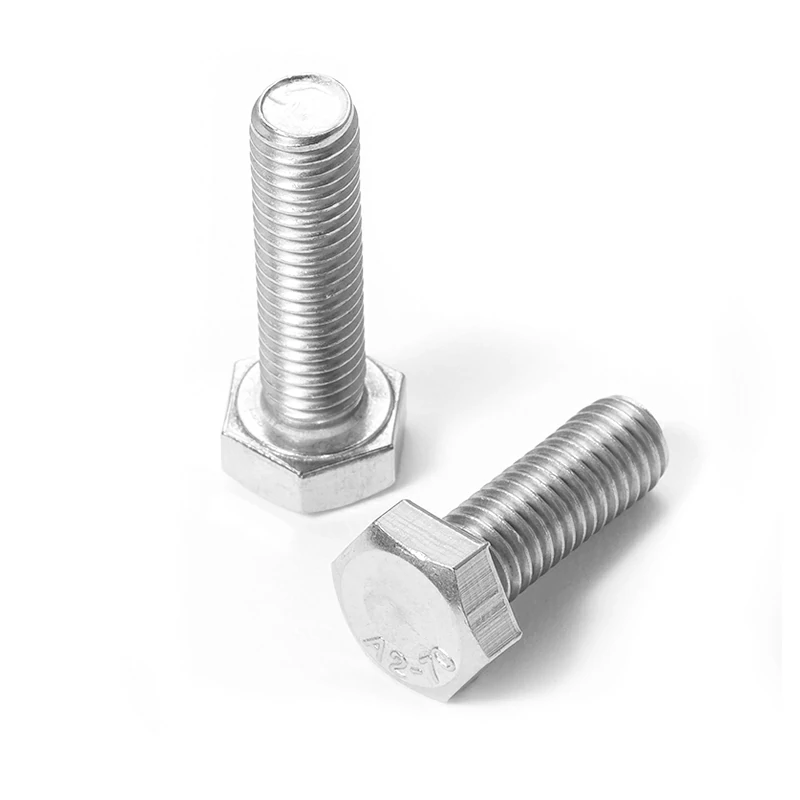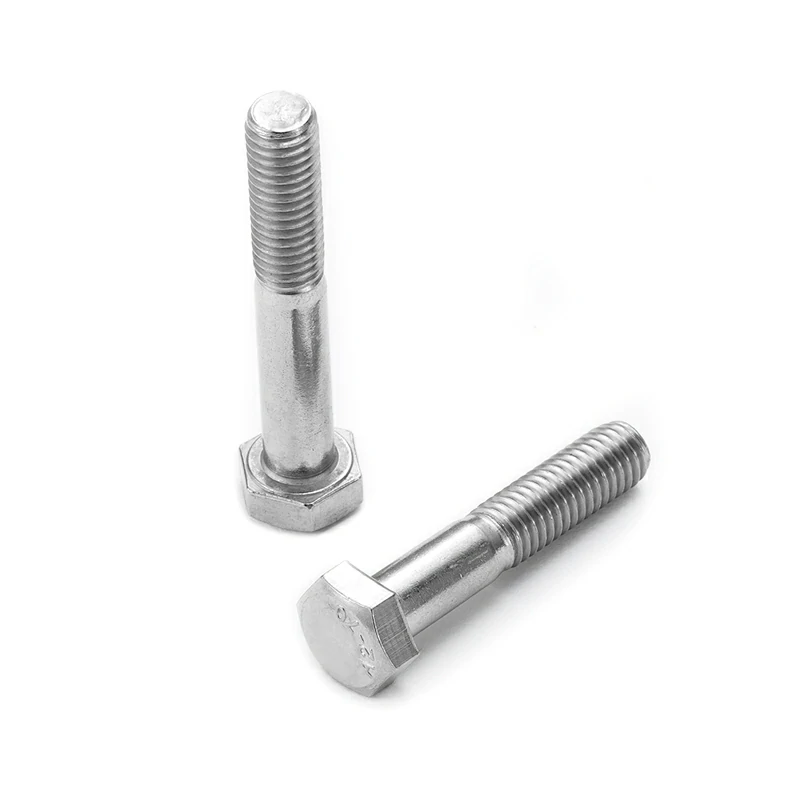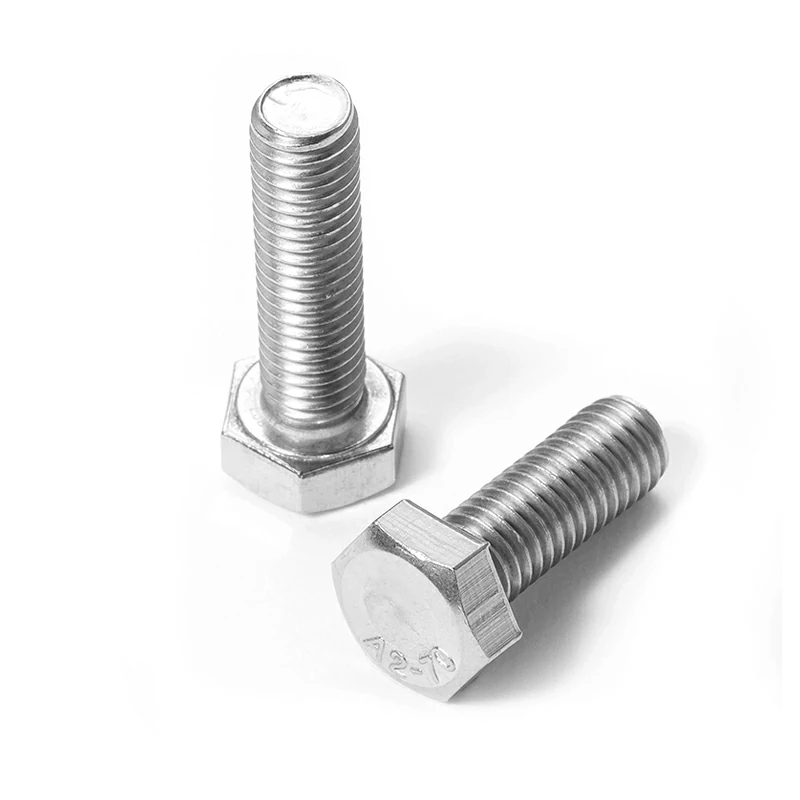
When building or maintaining structures in marine environments, ordinary fasteners simply are not enough. Constant exposure to saltwater, humidity, and harsh coastal conditions can quickly cause standard steel fasteners to corrode, weaken, and fail. This is why Marine Stainless Steel Fasteners are essential for long-term safety, durability, and performance.
From boat construction and marine decking to offshore equipment and coastal infrastructure, selecting the right fastener material plays a critical role in preventing corrosion-related damage. This guide explains what marine stainless steel fasteners are, why 316 stainless fasteners for marine use are preferred, and how to choose the right solution for your application.
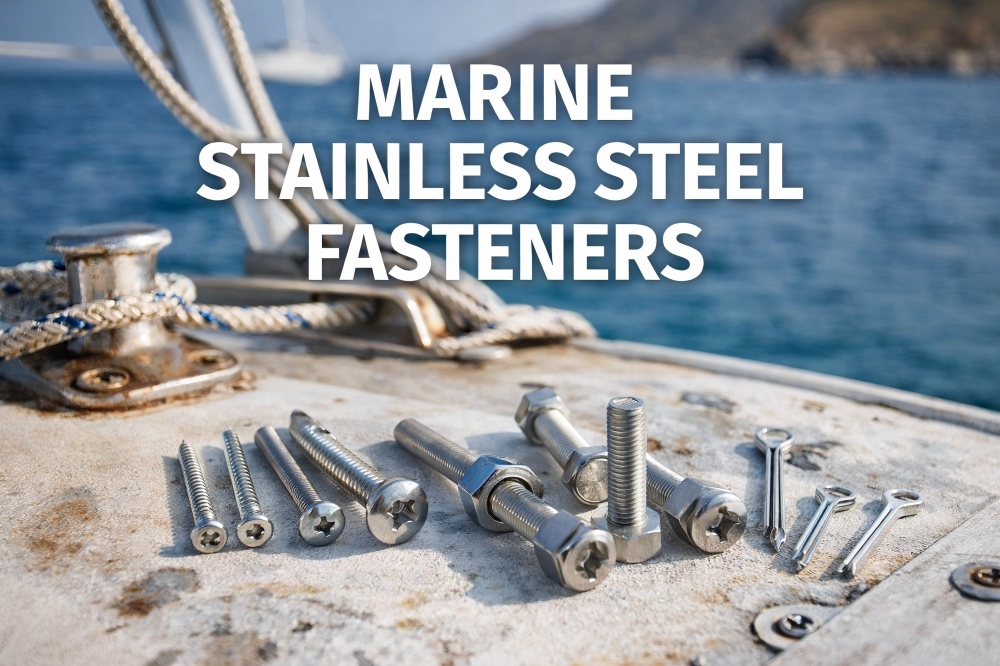
What Are Marine Stainless Steel Fasteners?
Marine stainless steel fasteners are corrosion-resistant fastening components specifically designed for environments exposed to saltwater, moisture, and aggressive atmospheric conditions. Compared with carbon steel or standard stainless options, marine-grade fasteners provide enhanced resistance to:
- Rust and oxidation
- Pitting and crevice corrosion
- Chemical and chloride attack
The most widely accepted material for marine environments is 316 stainless steel, which outperforms other grades in saltwater resistance and long-term durability.
Why 316 Stainless Fasteners Are Ideal for Marine Use
When discussing 316 stainless fasteners marine applications, material composition is the key differentiator. 316 stainless steel contains molybdenum, an alloying element that dramatically improves resistance to chlorides and seawater corrosion.
Compared to 304 stainless steel, 316 stainless fasteners for marine use offer:
- Superior resistance to saltwater corrosion
- Reduced risk of pitting and surface degradation
- High mechanical strength under load
- Longer service life with minimal maintenance
Because of these properties, 316 stainless steel marine bolts and screws are widely used in boats, docks, marinas, and offshore structures where failure is not an option.
Common Types of Marine Stainless Steel Fasteners
Marine-grade fasteners are available in multiple forms to suit different structural and mechanical needs.
Marine Stainless Steel Screws
- Marine stainless steel screws for hull fittings and marine hardware
- Stainless steel screws for marine use in decking, railings, and fixtures
- Marine deck screws for wood-to-wood or wood-to-metal connections
- Marine self tapping screws and self tapping marine screws for fast installation
- Stainless boat screws designed for long-term water exposure
Marine Stainless Bolts and Nuts
- Marine stainless bolts for load-bearing and structural connections
- Stainless steel marine bolts for engines, brackets, and frames
- Marine bolts and nuts for secure mechanical assemblies
- Stainless steel cotter pins marine for locking and safety applications
Selecting the correct fastener type ensures proper strength, corrosion resistance, and compliance with marine standards.
Applications of Marine Stainless Steel Fasteners
Marine stainless steel fasteners are widely used across:
- Boat and yacht construction
- Marine decking and docks
- Offshore platforms and coastal structures
- Ship repair and maintenance
- Marine hardware, cleats, and railings
- Aquaculture systems and fishing equipment
In all these applications, marine screws and bolts provide secure fastening without premature corrosion or structural failure.
How to Choose the Right Marine Stainless Fasteners
When selecting fasteners for marine environments, consider the following factors:
- Material Grade: Always prioritize 316 stainless for saltwater exposure.
- Fastener Type: Screws for light-duty applications, bolts for structural loads.
- Thread Design: Coarse threads for wood, machine threads for metal.
- Drive Type: Torx or hex drives offer better torque control in wet conditions.
- Surface Finish: A smooth finish reduces potential corrosion initiation points.
- Compatibility: Avoid mixing dissimilar metals to prevent galvanic corrosion.
Proper selection ensures long-term reliability and minimizes maintenance requirements.
Maintenance Tips for Marine Stainless Steel Fasteners
Even the highest-quality stainless steel marine fasteners benefit from basic maintenance:
- Rinse with fresh water after saltwater exposure to remove salt deposits.
- Use anti-seize compounds during installation for easier future maintenance.
- Inspect regularly for any signs of pitting or wear.
- Avoid mixing dissimilar metals to prevent galvanic corrosion.
These simple practices help maximize the lifespan of marine stainless screws and bolts.
Conclusion
Marine environments demand fastening solutions that can withstand constant exposure to salt, moisture, and mechanical stress. Investing in high-quality Marine Stainless Steel Fasteners is not just about appearance—it is about safety, performance, and long-term value.
Whether you need marine stainless steel screws, marine stainless bolts, marine deck screws, or other stainless steel boat fasteners, choosing the right material—especially 316 stainless fasteners for marine use—ensures durability and peace of mind in demanding marine conditions.
Looking for reliable Marine Stainless Steel Fasteners?
At Tianqi Fasteners, we supply premium 316 stainless steel fasteners engineered for marine, offshore, and coastal applications. From marine screws and bolts to custom fastening solutions, our products are built for corrosion resistance and long-term performance.