|
 |
When assembling components with a bolt or screw, choosing the right nut is critical for stability and performance. The comparison between a flange nut vs regular nut often arises when deciding which fastener offers better clamping force, load distribution, and vibration resistance. Understanding their design and function helps ensure reliable assembly for industrial, automotive, or general mechanical applications.
What Is a Flange Nut?
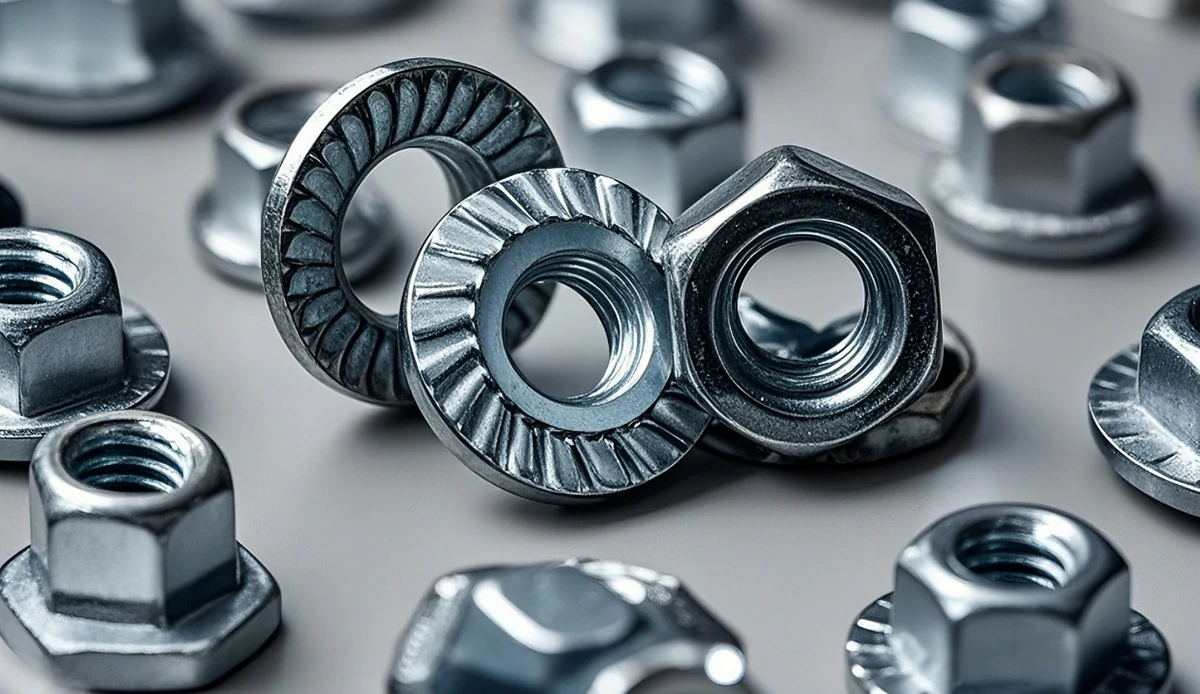
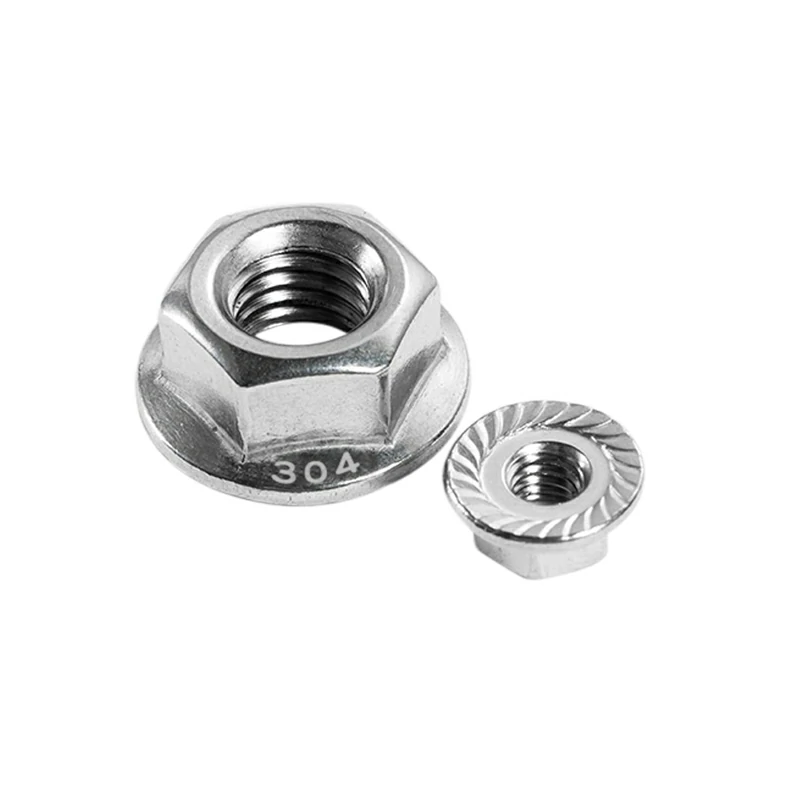
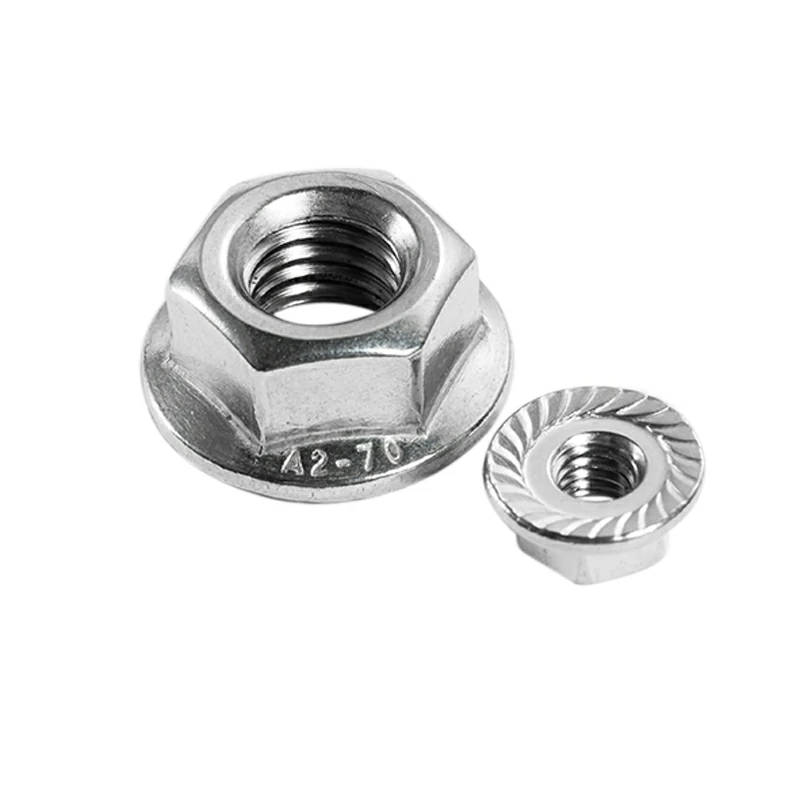
A flange nut features a wide circular base, or flange, integrated into the bottom of the nut. This built-in washer-like design helps distribute pressure more evenly across the surface, preventing material damage and reducing the need for a separate washer.
Key Advantages of Flange Nuts
Built-In Washer Function: The flange acts as a permanent washer, simplifying installation and eliminating the risk of forgetting separate washers during assembly.
Superior Load Distribution: The flange spreads the clamping load evenly, minimizing surface deformation and improving joint strength.
Vibration Resistance: Serrated flange nuts include ridges under the flange that grip the material surface, creating a locking effect to resist loosening from vibration — ideal for machinery and automotive applications.
Efficiency in Assembly: With fewer parts and faster tightening, flange nuts streamline production and reduce labor time.
Durable Construction: Commonly made from stainless steel, carbon steel, or zinc-plated steel for enhanced corrosion resistance.
Typical Applications:
Automotive and machinery assemblies, vibrating or rotating equipment, heavy-duty industrial installations.
What Is a Regular Nut (Hex Nut)?
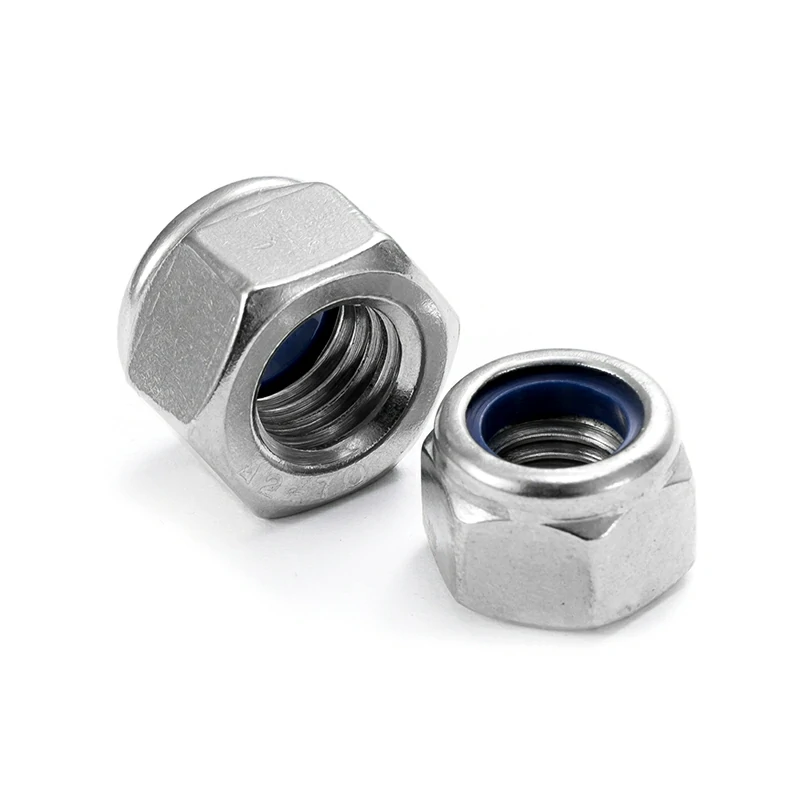
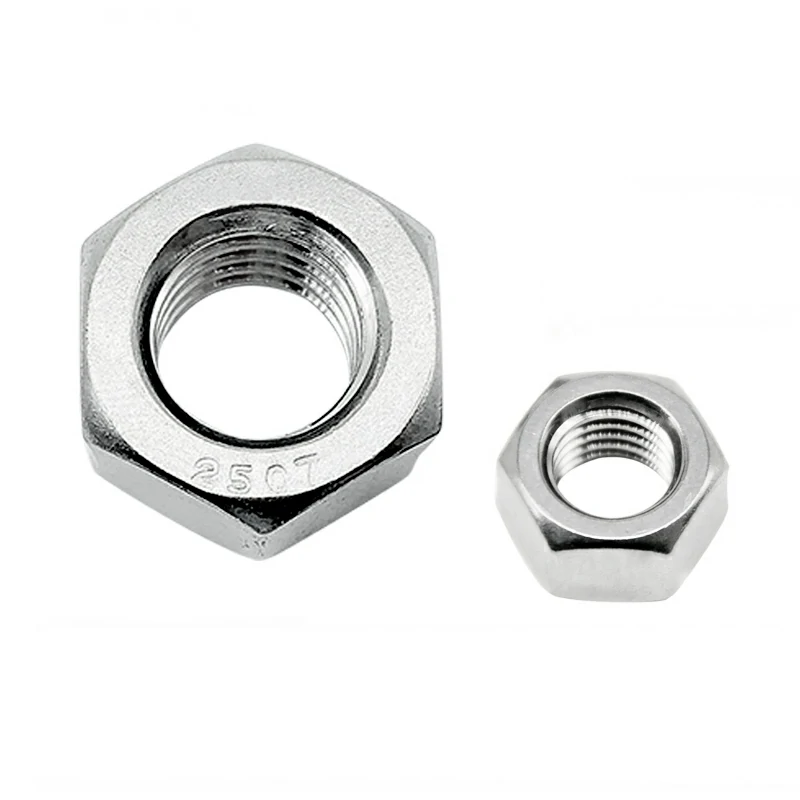
A regular nut, commonly known as a hex nut, is the traditional six-sided fastener used with bolts and washers. It’s one of the most widely used nuts in mechanical and structural connections.
Key Features of Regular (Hex) Nuts
Versatile and Simple Design: Ideal for general-purpose use where load and vibration are moderate.
Requires a Separate Washer: To prevent damage and distribute load evenly, hex nuts are often used with flat or spring washers.
Cost-Effective Fastening Solution: Suitable for large-scale or budget-conscious projects.
Variety in Materials and Finishes: Available in stainless steel, carbon steel, brass, and other materials for different environments.
Common Applications:
Furniture assembly, construction, maintenance work, and structural connections.
Flange Nut vs Regular Nut: Which Should You Choose?
| Feature | Flange Nut | Regular (Hex) Nut |
|---|---|---|
| Design | Built-in flange (acts as washer) | Standard six-sided nut |
| Vibration Resistance | Excellent (especially serrated type) | Moderate |
| Load Distribution | Even and wide | Depends on separate washer |
| Installation Speed | Faster, fewer components | Slightly slower |
| Cost | Slightly higher | More affordable |
| Best For | High-vibration, precision assemblies | General or budget applications |
Choose a flange nut when working with machinery, vehicles, or equipment prone to vibration.
Choose a regular nut (hex nut) for everyday fastening where cost-effectiveness and flexibility are priorities.
Conclusion
Both flange nuts and regular nuts are essential fasteners used with bolts in mechanical and industrial assemblies. The main difference lies in the flange nut’s integrated washer design, which provides better load distribution and vibration resistance, while the hex nut remains the go-to option for general, low-cost applications.
When comparing flange nut vs regular nut, the right choice ultimately depends on your project’s vibration level, load requirement, and installation efficiency needs.
Looking for Reliable Industrial Fastening Solutions?
Tianqi supplies precision-engineered flange nuts, hex nuts, bolts, and washers designed for demanding applications in manufacturing, construction, and machinery.
Contact Tianqi for a Custom Quote!