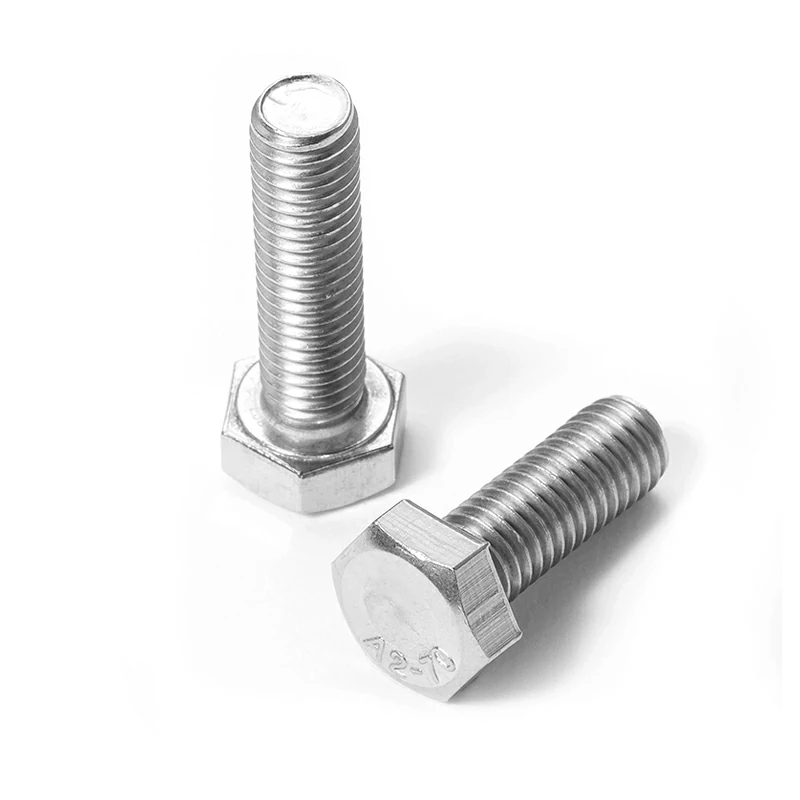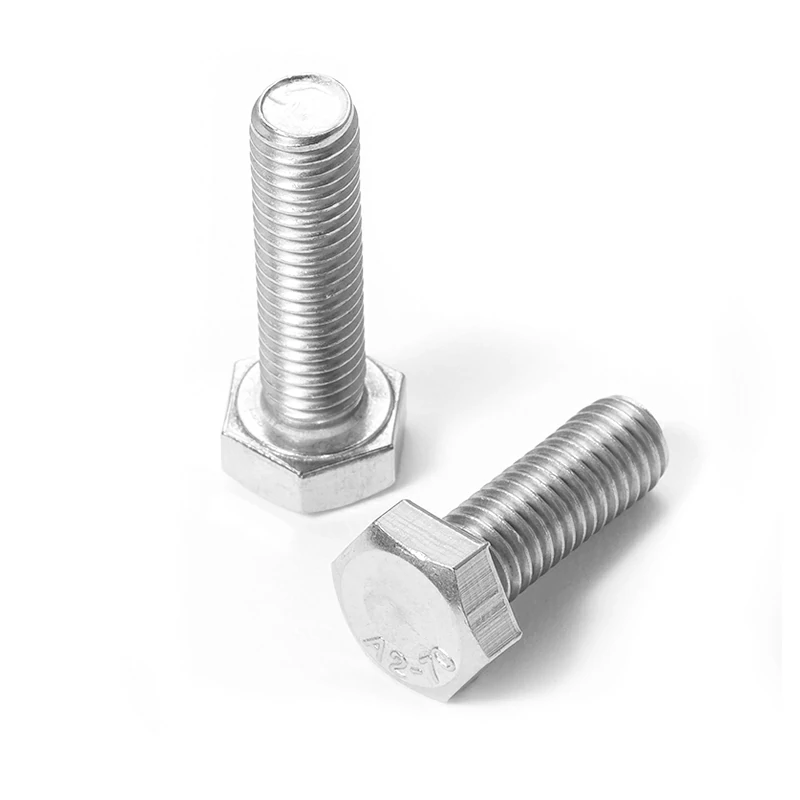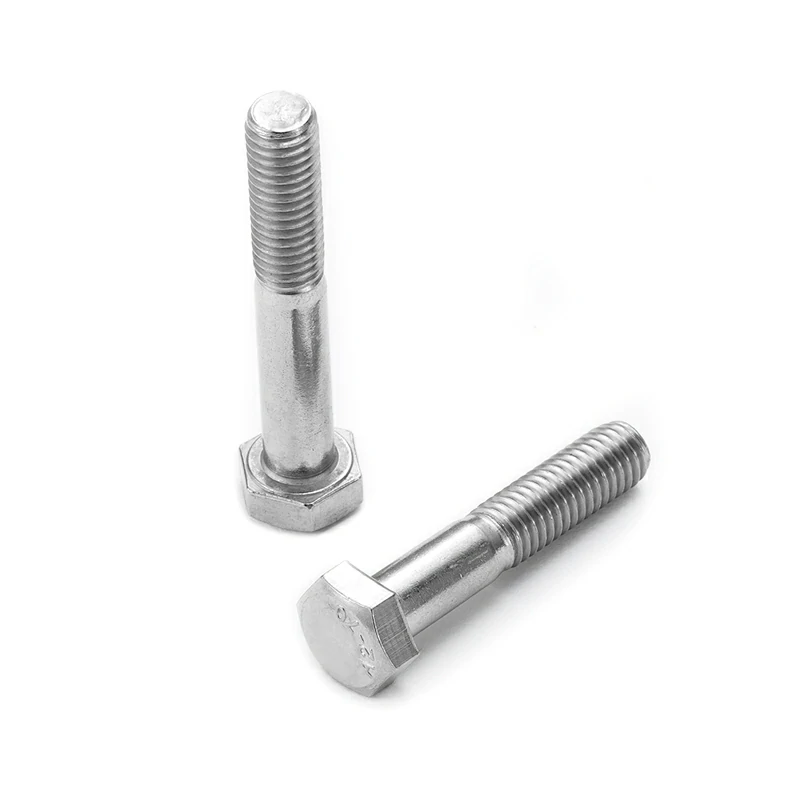
When selecting stainless steel fasteners for industrial, construction, or outdoor applications, one of the most common comparisons buyers face is 304 vs 316 stainless steel fasteners. Both are widely used stainless grades, but they differ significantly in corrosion resistance, composition, performance, and cost. Understanding these differences is essential to choosing the right fastener for long-term reliability.
This guide provides a clear comparison of stainless steel fastener grades for corrosion resistance, helping you make an informed decision based on application and environment.
Understanding Stainless Steel Fastener Grades
Stainless steel is an alloy, primarily made of iron, chromium, and nickel. The “magic” happens because of the chromium, which creates an invisible, self-healing oxide layer that prevents rust. Among the many stainless grades, 304 and 316 are the most commonly specified for fasteners such as bolts, nuts, screws, washers, and anchors.
What Are 304 Stainless Steel Fasteners?
304 stainless steel fasteners are the most widely used stainless fasteners due to their balance of strength, corrosion resistance, and cost efficiency.
Key Characteristics of 304 Stainless Steel
Composition: Approximately 18% chromium and 8% nickel
Corrosion resistance: Good resistance to rust and oxidation in normal environments
Mechanical properties: Strong, ductile, and easy to fabricate
Magnetic properties: Generally non-magnetic (may become slightly magnetic after cold working)
Common Applications
- Indoor construction and assemblies
- Household appliances
- Automotive trim
- General-purpose industrial fasteners
- Dry or low-humidity outdoor environments
What Are 316 Stainless Steel Fasteners?
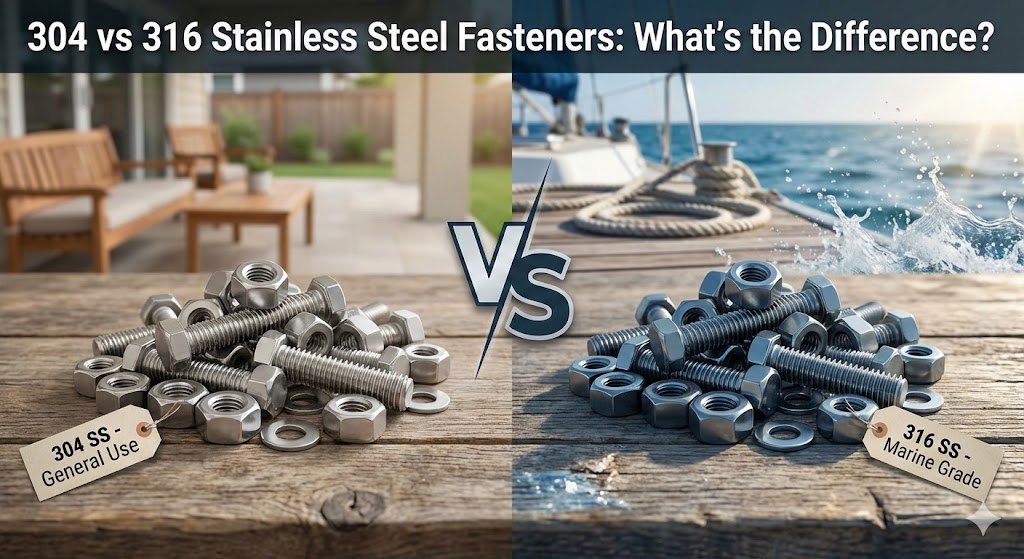
316 stainless steel contains the same chromium and nickel as 304, but with the addition of 2-3% Molybdenum. This tiny addition significantly increases the metal’s resistance to chlorides (like salt) and industrial chemicals. This is why 316 is widely known as marine grade stainless fasteners.
Key Characteristics of 316 Stainless Steel
- Composition: Chromium, nickel, and 2–3% molybdenum
- Corrosion resistance: Excellent resistance to chlorides, saltwater, and chemicals
- Performance: Superior durability in harsh and aggressive environments
- Cost: Higher than 304 due to alloying elements
Common Applications
- Marine grade stainless fasteners for boats and docks
- Coastal and offshore structures
- Chemical processing equipment
- Food and pharmaceutical environments
- Outdoor installations exposed to salt or pollution
304 vs 316 Stainless Steel Fasteners: Side-by-Side Comparison
| Feature | 304 Stainless Steel | 316 Stainless Steel |
|---|---|---|
| Corrosion Resistance | Good | Excellent |
| Chloride Resistance | Limited | Superior |
| Marine Environment | Not recommended | Ideal (marine grade) |
| Cost | Lower | Higher |
| Typical Use | Indoor & mild outdoor | Harsh & coastal outdoor |
Which Is Better for Corrosion Resistance?
In any comparison of stainless steel fastener grades for corrosion resistance, 316 stainless steel consistently outperforms 304. The molybdenum content significantly improves resistance to:
- Salt spray and seawater
- Deicing salts
- Industrial chemicals
- Acidic or polluted atmospheres
If corrosion is a critical concern, especially outdoors or near water, 316 is the preferred choice.
How to Choose Stainless Steel Fasteners for Outdoor Furniture
Choosing the correct stainless steel fastener depends largely on environmental exposure:
- Inland, dry climates: 304 stainless steel fasteners are typically sufficient and cost-effective.
- Humid, coastal, or poolside areas: 316 stainless steel fasteners are strongly recommended to prevent pitting and rust stains.
- Long-term durability priority: 316 offers better lifecycle value despite higher upfront cost.
For premium outdoor furniture, architectural fixtures, or long-lasting installations, 316 stainless steel ensures superior performance and aesthetics.
Cost vs Performance: Making the Right Decision
From a mechanical standpoint, both grades perform similarly in fastener applications. In most bolt, nut, and threaded rod applications, corrosion resistance – not strength – is the deciding factor.
While 316 stainless steel fasteners cost more than 304, the investment is justified in corrosive environments where premature failure could lead to maintenance costs, safety risks, or product damage. Conversely, 304 remains an excellent choice for controlled environments where exposure to chlorides is minimal.
Conclusion
When evaluating 304 vs 316 stainless steel fasteners, the decision comes down to environment, corrosion risk, and performance expectations.
- Choose 304 stainless steel fasteners for general indoor and mild outdoor use.
- Choose 316 stainless steel fasteners for marine, coastal, chemical, or high-corrosion applications.
By understanding the differences between these stainless grades, you can confidently select fasteners that deliver reliability, longevity, and value for your specific application.
Still Not Sure Which Grade You Need? Our specialists at Tianqi Fasteners are here to help you select the perfect hardware for your specific environment. Contact us today for technical advice or a custom quote.