Description
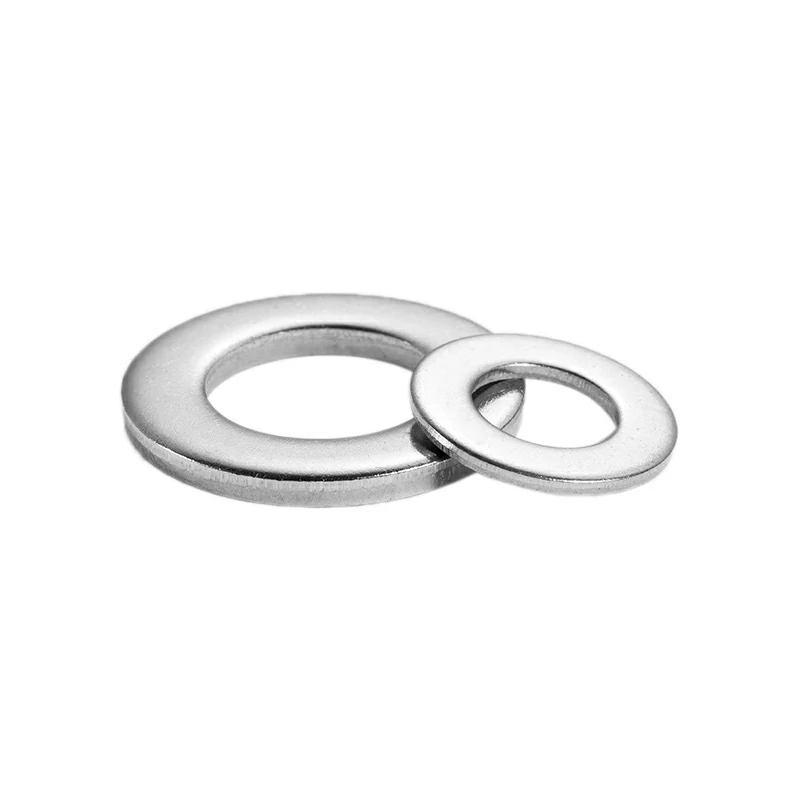
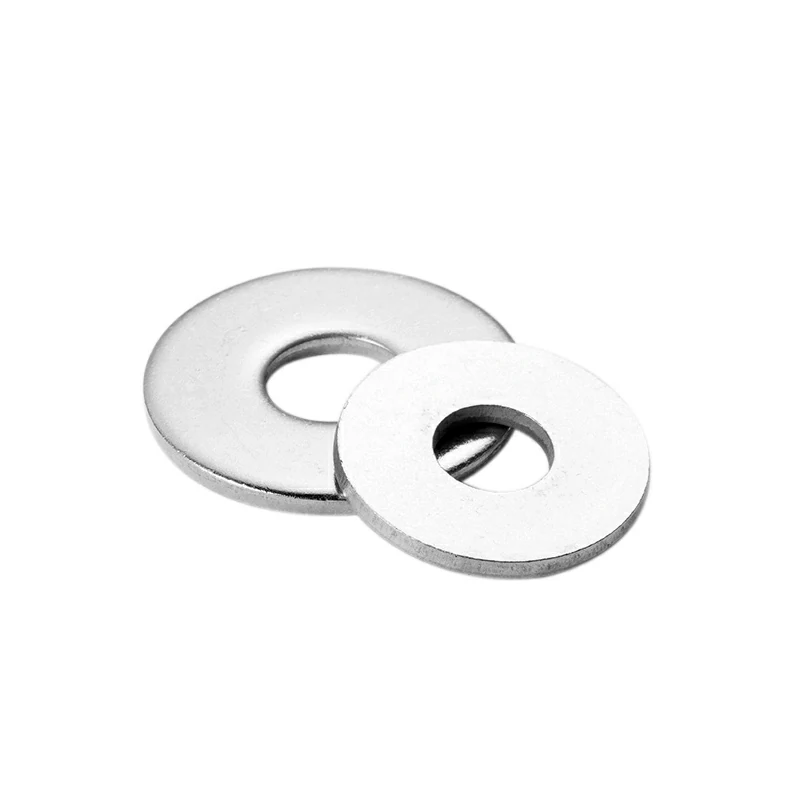
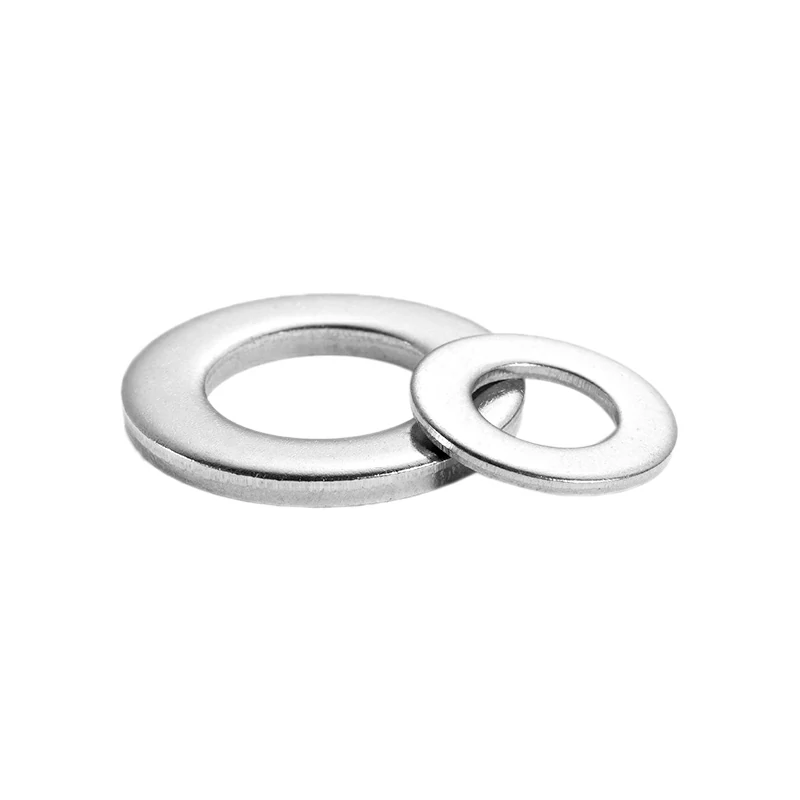
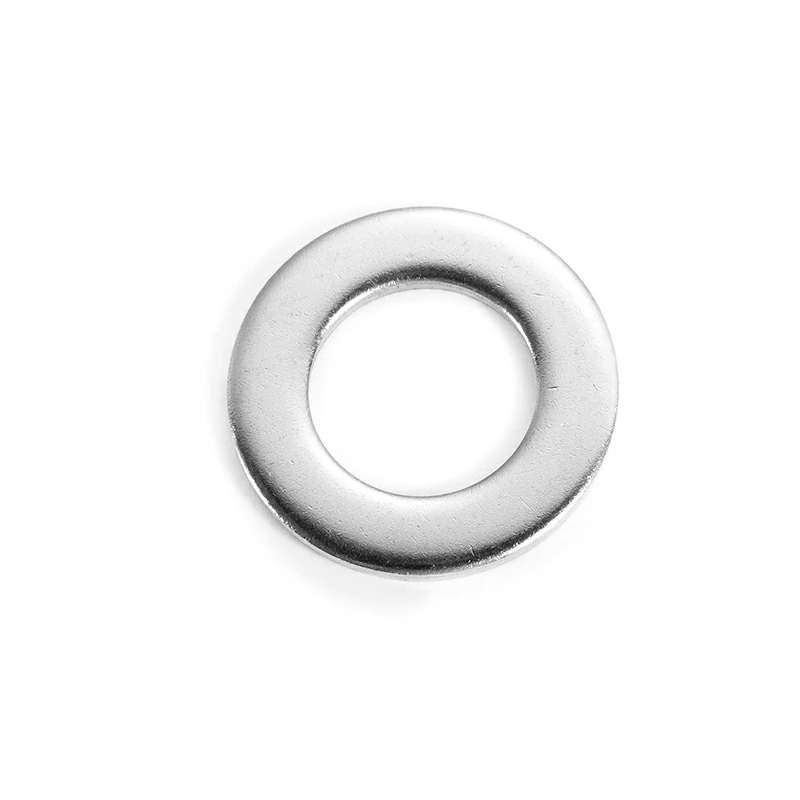
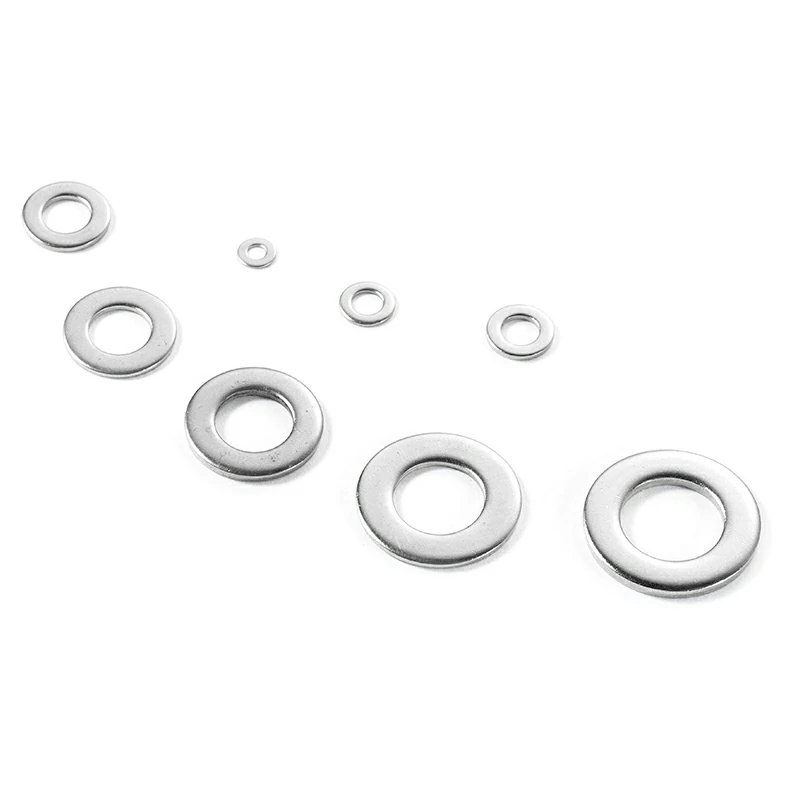
The ANSI B18.22.1 Washer is a high-performance Stainless Steel Flat Washer precision-engineered to enhance the strength and durability of fastened joints. Adhering to the American National Standard, these fasteners follow the SAE (Society of Automotive Engineers) series, which features a smaller outer diameter than the USS counterpart, making them ideal for tight clearances.
Available in both 304 and 316 stainless steel, this washer provides dependable corrosion resistance, consistent dimensional accuracy, and reliable load distribution. While 304 offers excellent general-purpose protection, the 316 grade is the preferred choice for superior resistance in high-chloride or aggressive chemical environments. It is widely used in automotive systems, machinery assembly, construction projects, and industrial fasteners where compliance with U.S. standards is required.
Features & Benefits
- High Corrosion Resistance: Made from premium-grade 304 or 316 stainless steel, these washers resist rust, oxidation, and chemical exposure in humid or harsh conditions.
- Durable and Stable: Designed with a smooth, concentric surface for even load distribution, reducing stress and preventing damage to connected parts.
- Precision Standard Compliance: Fully conforms to ANSI B18.22.1 specifications, ensuring dimensional accuracy and reliable performance in American-standard fastening systems.
- Enhanced Strength: Offers excellent mechanical stability and resistance to deformation under heavy loads, making it ideal for demanding applications.
Specification
|
Specification |
6# |
8# |
10# |
12# |
1/4 |
5/6 |
3/8 |
7/16 |
1/2 |
|
|
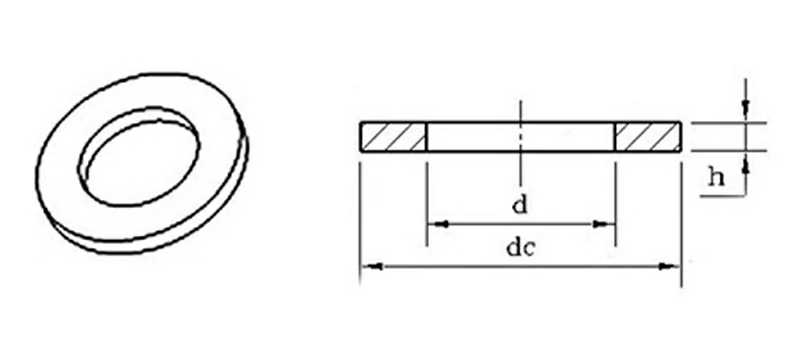
dc |
max |
9.91 |
11.51 |
13.08 |
14.66 |
16.26 |
17.36 |
21 |
23.8 |
27.74 |
|
min |
9.4 |
11 |
12.57 |
14.15 |
15.75 |
17.3 |
20.45 |
23.24 |
26.8 |
|
|
d |
max |
4.17 |
4.98 |
5.77 |
6.73 |
7.52 |
9.12 |
10.59 |
12.29 |
13.87 |
|
min |
3.84 |
4.65 |
5.44 |
6.22 |
7.01 |
8.61 |
10.19 |
11.79 |
13.36 |
|
|
h |
max |
1.65 |
1.65 |
1.65 |
2.03 |
2.03 |
2.03 |
2.03 |
2.03 |
3.07 |
|
min |
0.91 |
0.91 |
0.91 |
1.3 |
1.3 |
1.3 |
1.3 |
1.3 |
1.88 |
|
|
A thousand pieces weigh in kilograms |
0.66 |
0.85 |
1.09 |
1.74 |
2.13 |
2.24 |
3.37 |
4.26 |
8.8 |
|
|
Specification |
9/16 |
5/8 |
3/4 |
7/8 |
1 |
1-1/8 |
1-1/4 |
1-3/8 |
1-1/2 |
|
|
dc |
max |
30.12 |
34.09 |
38.07 |
45.21 |
51.56 |
57.91 |
64.26 |
70.61 |
76.96 |
|
min |
29.18 |
33.15 |
37.13 |
44.27 |
50.62 |
56.97 |
63.32 |
69.67 |
76.02 |
|
|
d |
max |
15.47 |
17.42 |
21.39 |
24.58 |
27.74 |
32.51 |
35.69 |
38.86 |
42.04 |
|
min |
14.96 |
16.48 |
20.45 |
23.65 |
26.8 |
31.57 |
34.75 |
37.92 |
41.1 |
|
|
h |
max |
3.07 |
3.07 |
4.06 |
4.06 |
4.06 |
4.06 |
4.88 |
4.88 |
4.88 |
|
min |
1.88 |
1.88 |
2.74 |
2.74 |
2.74 |
2.74 |
3.45 |
3.45 |
3.45 |
|
|
A thousand pieces weigh in kilograms |
10.19 |
13.1 |
20.78 |
30.17 |
39.58 |
48.12 |
73.29 |
89.21 |
106.65 |
|
FAQ:
Q1: What is the difference between an SAE and a USS washer?
A: The primary difference lies in the outer diameter. An SAE-series ANSI B18.22.1 Washer has a smaller outer diameter and a thinner profile compared to the USS (United States Standard) version, making it better suited for precision work and tight spaces.
Q2: Should I choose 304 or 316 stainless steel?
A: Choose 304 for general-purpose indoor or outdoor use where moisture is the primary concern. Upgrade to 316 if your application involves saltwater exposure, chemical processing, or extreme corrosive conditions, as the addition of molybdenum in 316 provides superior protection.
Q3: Are these washers interchangeable with metric standards like DIN or ISO?
A: Not necessarily. While they serve similar functions, ANSI fasteners are measured in inches and adhere to different dimensional tolerances than metric fasteners like DIN 125. Always verify the thread and clearance requirements of your assembly before swapping standards.
Q4: Does the washer prevent material deformation?
A: Yes. By providing a stable, flat surface, the washer distributes the clamping force of the bolt or nut over a wider area, which prevents the fastener head from digging into or marring the material surface.