Description
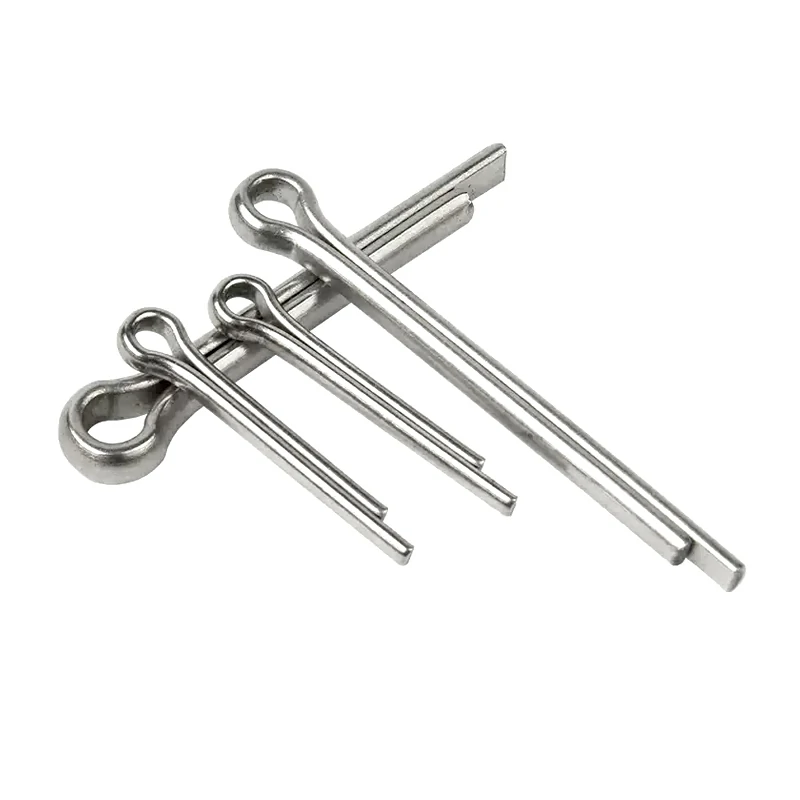
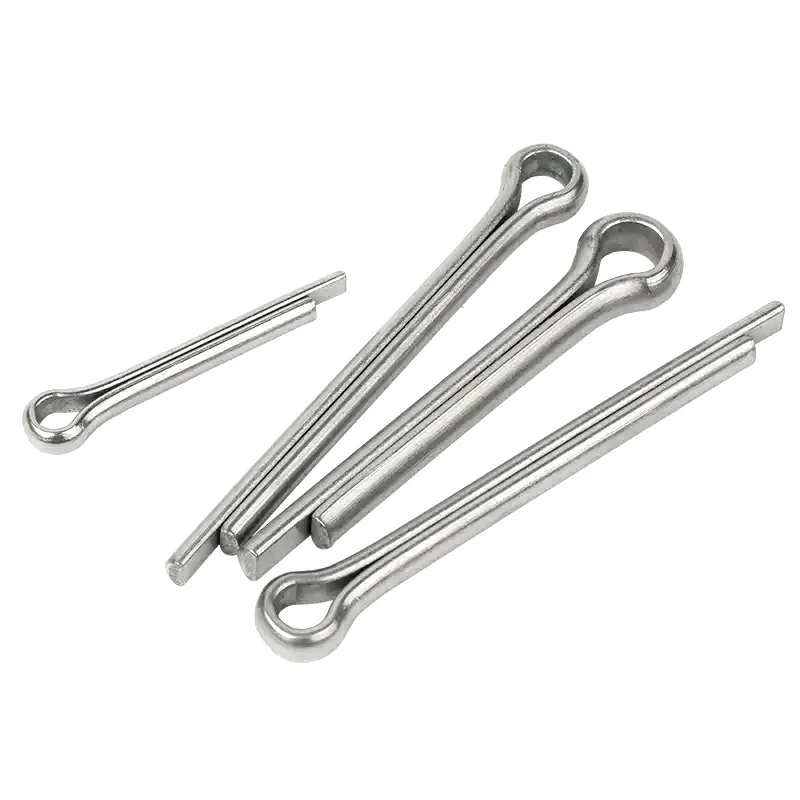
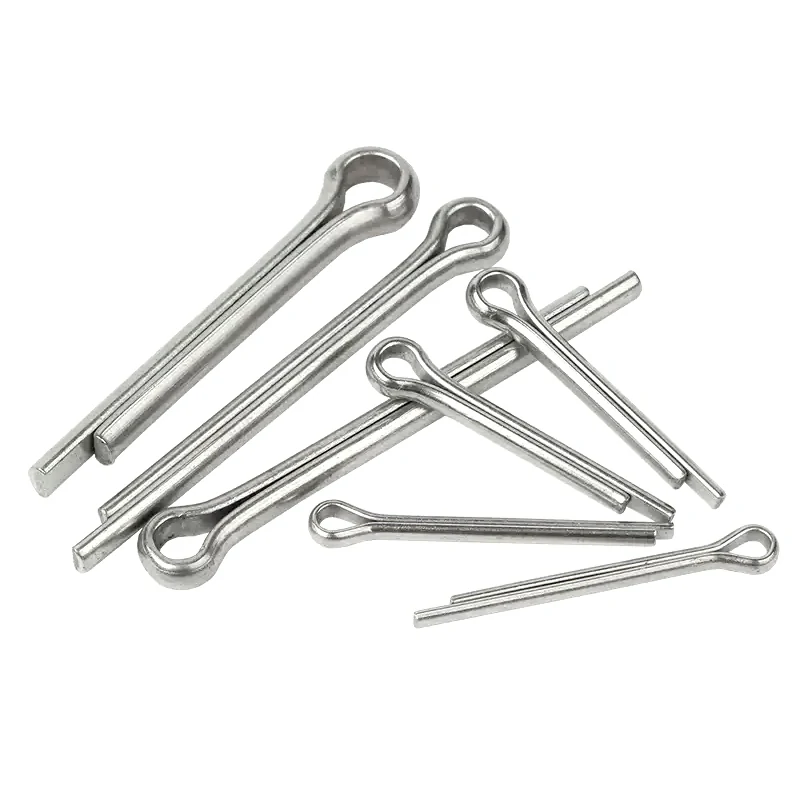
The Stainless Steel Cotter Pin (conforming to the GB91 standard) is a fundamental mechanical fastener designed to provide a secure, fail-safe locking mechanism. Often referred to as a Stainless Steel Split Pin, it is primarily used to prevent the accidental loosening of nuts, bolts, and clevis pins in high-vibration or safety-critical assemblies.
Manufactured from premium 304 stainless steel, these pins are engineered for long-term durability and exceptional resistance to environmental degradation. By inserting the pin through a pre-drilled hole and bending the tines, you create a robust physical barrier that ensures the integrity of the joint. Conforming to the GB91 standard, it ensures consistent dimensions, precise fit, and dependable locking performance. Available in common sizes such as M5 and M6, the cotter pin is easy to install—simply insert it through a pre-drilled hole and bend the tines to secure the assembly. This makes it an essential solution for automotive systems, machinery, construction equipment, and hardware applications where safety and retention are critical.
Features & Benefits
- Superior 304 Stainless Steel Construction: Made from high-quality 304-grade alloy, these pins offer excellent wear and corrosion resistance. They are specifically designed to maintain their structural integrity in humid, outdoor, and marine environments where carbon steel would fail.
- Reliable Mechanical Locking: The standardized split pin design provides a simple yet highly effective mechanical lock. It is the preferred choice for securing castle nuts and shafts, effectively preventing rotational loosening under dynamic loads.
- Exceptional Strength and Hardness: Despite their malleability for installation, these pins possess high hardness and resistance to deformation. They are built to withstand heavy vibrations and mechanical shocks without compromising their locking force.
- Efficient Ease of Use: The standard cotter pin shape features a bulbous head and offset tines for rapid insertion. The assembly process is quick and tool-efficient, requiring only basic pliers to secure the tines, which significantly reduces labor time on production lines.
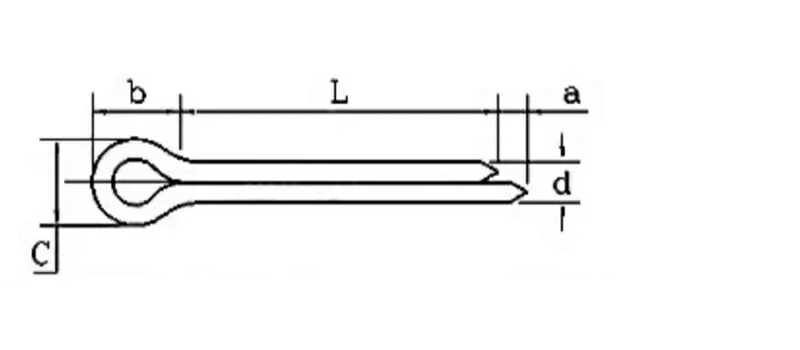
Specification
|
Nominal size -d |
d |
a |
b≈ |
c |
|||
|
max |
min |
max |
min |
max |
min |
||
|
0.6 |
0.5 |
0.4 |
1.6 |
0.8 |
2 |
1 |
0.9 |
|
0.8 |
0.7 |
0.6 |
1.6 |
0.8 |
2.4 |
1.4 |
1.2 |
|
1 |
0.9 |
0.8 |
1.6 |
0.8 |
3 |
1.8 |
1.6 |
|
1.2 |
1 |
0.9 |
2.5 |
1.25 |
3 |
2 |
1.7 |
|
1.6 |
1.4 |
1.3 |
2.5 |
1.25 |
3.2 |
2.8 |
2.4 |
|
2 |
1.8 |
1.7 |
2.5 |
1.25 |
4 |
3.6 |
3.2 |
|
2.5 |
2.3 |
2.1 |
2.5 |
1.25 |
5 |
4.6 |
4 |
|
3.2 |
2.9 |
2.7 |
3.2 |
1.6 |
6.4 |
5.8 |
5.1 |
|
4 |
3.7 |
3.5 |
4 |
2 |
8 |
7.4 |
6.5 |
|
5 |
4.6 |
4.4 |
4 |
2 |
10 |
9.2 |
8 |
|
6.3 |
5.9 |
5.7 |
4 |
2 |
12.6 |
11.8 |
10.3 |
|
8 |
7.5 |
7.3 |
4 |
2 |
16 |
15 |
13.1 |
|
10 |
9.5 |
9.3 |
6.3 |
3.15 |
20 |
19 |
16.6 |
|
13 |
12.4 |
12.1 |
6.3 |
3.15 |
26 |
24.8 |
21.7 |
|
16 |
15.4 |
15.1 |
6.3 |
3.15 |
32 |
30.8 |
27 |
|
20 |
19.3 |
19 |
6.3 |
3.15 |
40 |
38.5 |
33.8 |
FAQ
Q1: What does the GB91 standard signify?
A: The GB91 standard is the Chinese national specification for split pins. It ensures that the fastener meets strict dimensional requirements for diameter, length, and head size, guaranteeing a precise fit with corresponding bolts and shafts that follow international tolerances.
Q2: Why should I use 304 stainless steel instead of carbon steel?
A: 304 stainless steel contains chromium and nickel, which provide "built-in" corrosion resistance. Unlike carbon steel pins that require zinc plating (which can chip or wear away), 304 stainless steel remains rust-proof even if the surface is scratched or exposed to heavy moisture.
Q3: Are the M5 and M6 sizes suitable for automotive use?
A: Yes. M5 and M6 Stainless Steel Split Pins are common sizes for securing various linkages, suspension components, and engine mounts. Their 304-grade construction makes them ideal for the high-heat and potentially corrosive environments found in vehicle chassis.
Q4: Can I reuse a cotter pin after it has been bent?
A: It is strongly recommended to use a new pin for every installation. Once the tines are bent and then straightened for removal, the metal undergoes work-hardening and fatigue. Reusing a pin can lead to brittle failure, which could cause the fastener to snap under stress.
Q5: How far should I bend the tines for a secure lock?
A: For most applications, bending the tines back approximately 90 to 120 degrees against the nut or shaft is sufficient. Some engineers prefer to wrap one tine around the diameter of the nut for an even more secure, vibration-proof fit.