Description
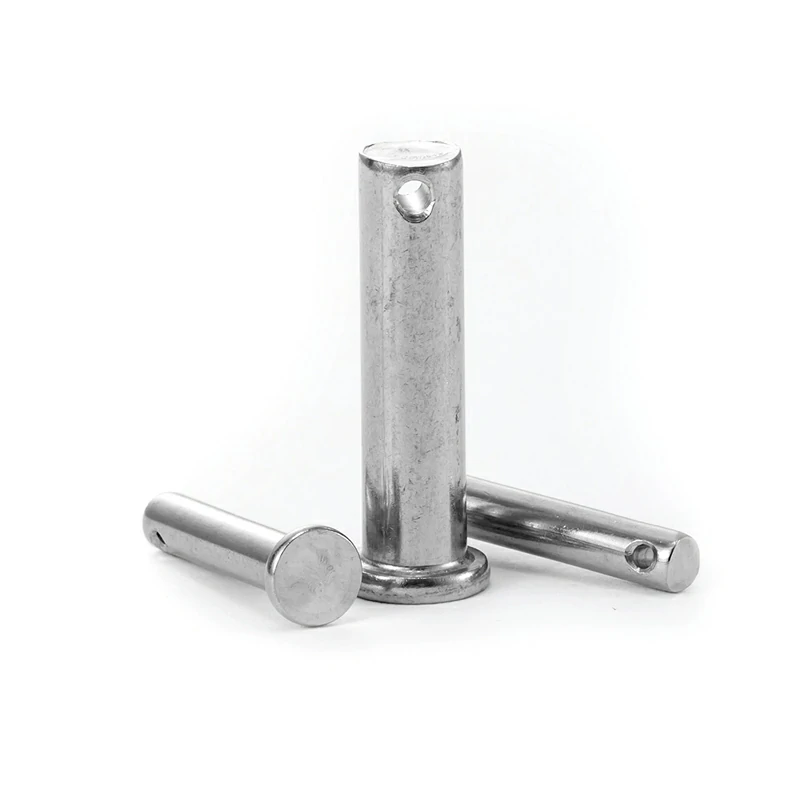
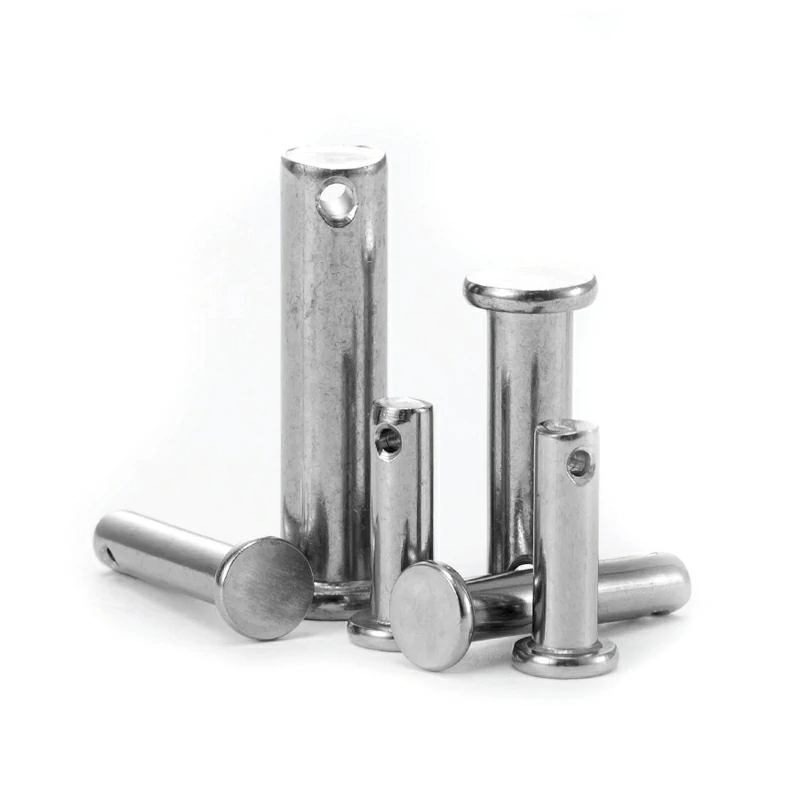
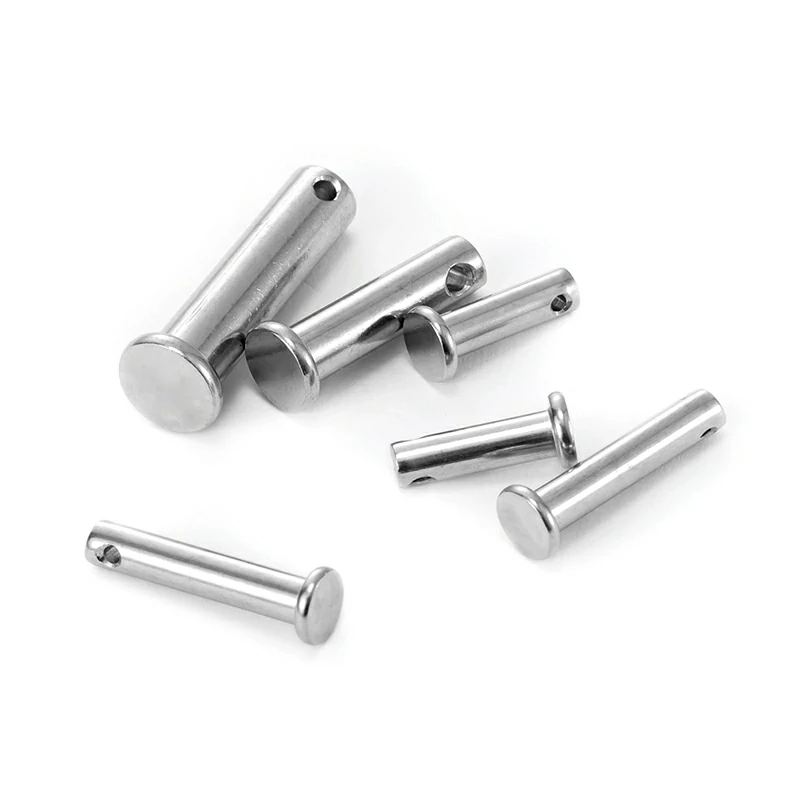
The Stainless Steel Clevis Pin is a robust, precision-engineered fastener designed to serve as the pivot point in clevis joints and hinge assemblies. Unlike standard cylindrical pins used for static alignment, the clevis pin is optimized for dynamic linkages, facilitating controlled rotational movement between connected components.
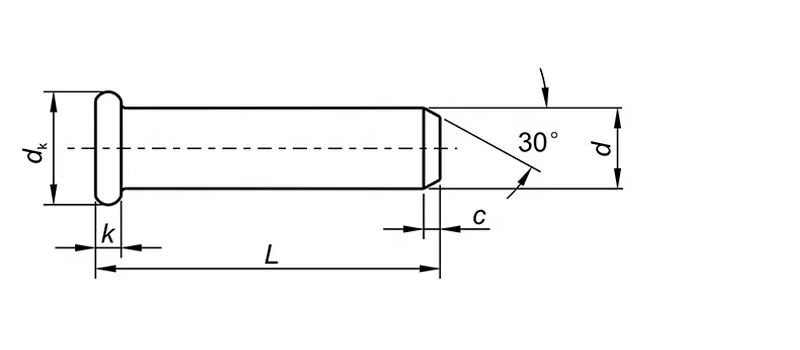
Each pin features a solid cylindrical body with a flat head on one end and a precisely drilled hole near the other. This design allows for a secure, "hinge-style" connection where a secondary fastener—such as a cotter pin or retaining ring—is inserted to prevent axial disengagement. Crafted from premium 304 stainless steel, these pins provide a smooth, low-friction surface and the high wear resistance necessary for demanding mechanical linkages. Its smooth cylindrical body reduces friction during rotation, making it ideal for linkages, hinges, and pivot mechanisms. Because of its reliable performance and resistance to environmental exposure, the Stainless Steel Clevis Pin is widely used in machinery, agricultural equipment, automotive systems, and industrial structures.
Features & Benefits
- Premium 304 Stainless Steel Durability: Forged from 304-grade steel, these pins are ideal for general outdoor use. They offer excellent resistance to oxidation and corrosion in most non-marine exterior settings , maintaining structural integrity even in humid environments.
- High Mechanical Strength: The solid construction ensures superior load-bearing capacity, preventing deformation under significant dynamic stress. This makes them a reliable choice for heavy-duty fasteners in industrial and structural assemblies.
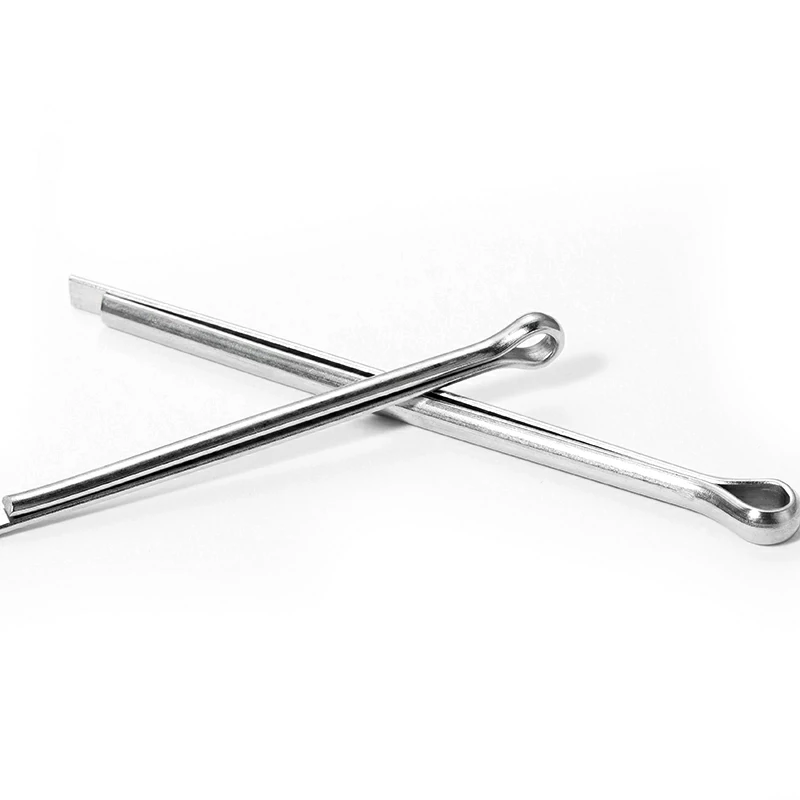
- Secure & Quick Retention: The standardized round hole is designed for the rapid insertion of cotter pins or clips. This secondary locking mechanism provides a failsafe against axial movement, ensuring the pin stays seated during operation.
- Optimized Rotational Performance: The finely polished surface reduces friction, allowing for smooth pivoting in hinge joints. This performance is critical for maintaining connection integrity in machinery that requires constant movement.
Specification
|
Specification |
Outside diameter |
Head breadth |
Height of head |
Pin hole diameter |
Distance from tail to center of pin hole |
|
M3 |
2.9-3 |
5.4-5.6 |
1.1-1.3 |
1.4-1.6 |
min1.6 |
|
M4 |
3.85-3.9 |
6.8-7.0 |
1.3-1.5 |
1.6-1.8 |
min.2.2 |
|
M5 |
4.8-4.9 |
8.2-8.4 |
1.6-1.8 |
1.9-2.1 |
min.2.9 |
|
M6 |
5.8-5.9 |
9.7-10.0 |
1.9-2.1 |
2.1-2.3 |
min.3.2 |
|
M8 |
7.8-7.9 |
12.3-12.5 |
2.4-2.6 |
3.1-3.3 |
min.3.5 |
|
M10 |
9.8-9.9 |
14.3-14.5 |
2.9-3.1 |
3.1-3.3 |
min.4.5 |
|
M12 |
11.8-11.9 |
17-17.3 |
3.2-3.4 |
3.9-4.1 |
min.5.5 |
FAQ:
Q1: What is the main difference between a Clevis Pin and a Dowel Pin?
A: While both are cylindrical pins, a dowel pin is typically used for static alignment (holding two parts in a fixed position). A Stainless Steel Clevis Pin is specifically designed for dynamic joints, featuring a head and a hole to allow parts to rotate or hinge without falling apart.
Q2: How do I prevent the pin from rusting during installation?
Stainless steel maintains its integrity even if the surface is scratched. However, to ensure maximum longevity, you should avoid contamination from carbon steel tools during the assembly process.
Q3: What secondary fastener should I use with the clevis pin?
A: The drilled hole is most commonly secured with a cotter pin, R-clip, or a specialized C-Type External Retaining Ring, depending on whether you need a permanent or temporary connection.
Q4: How is a clevis pin secured?
A: The pin is inserted through the joint and secured with a cotter pin or retaining clip inserted through the cross-drilled hole.