Description
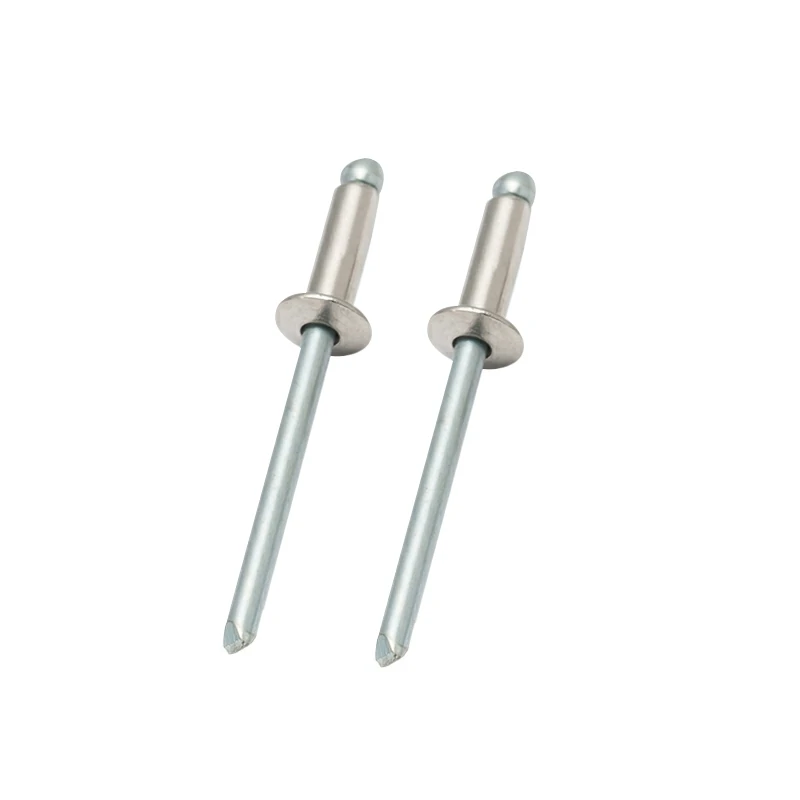
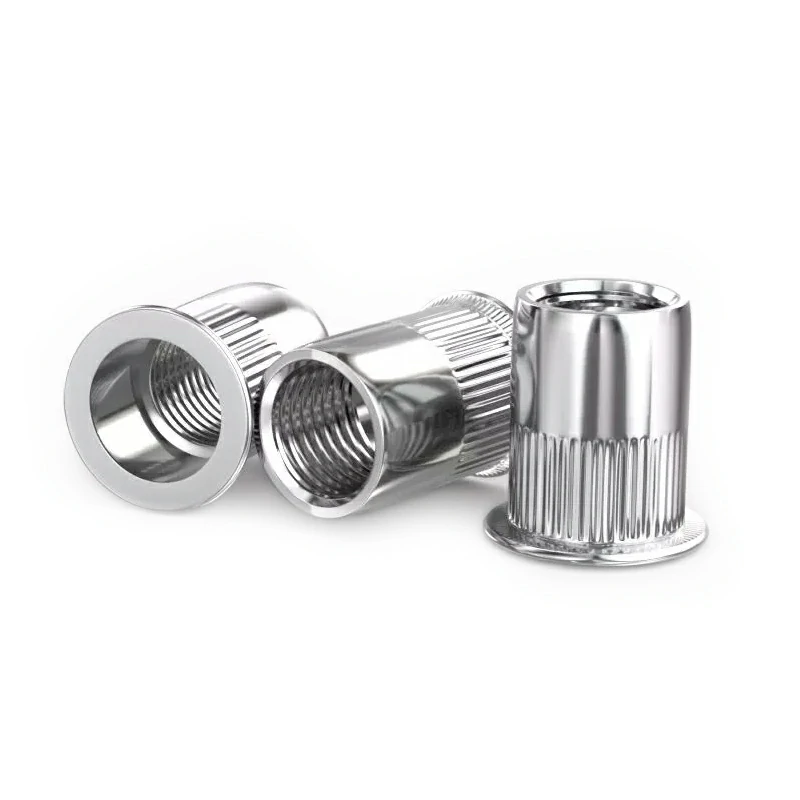
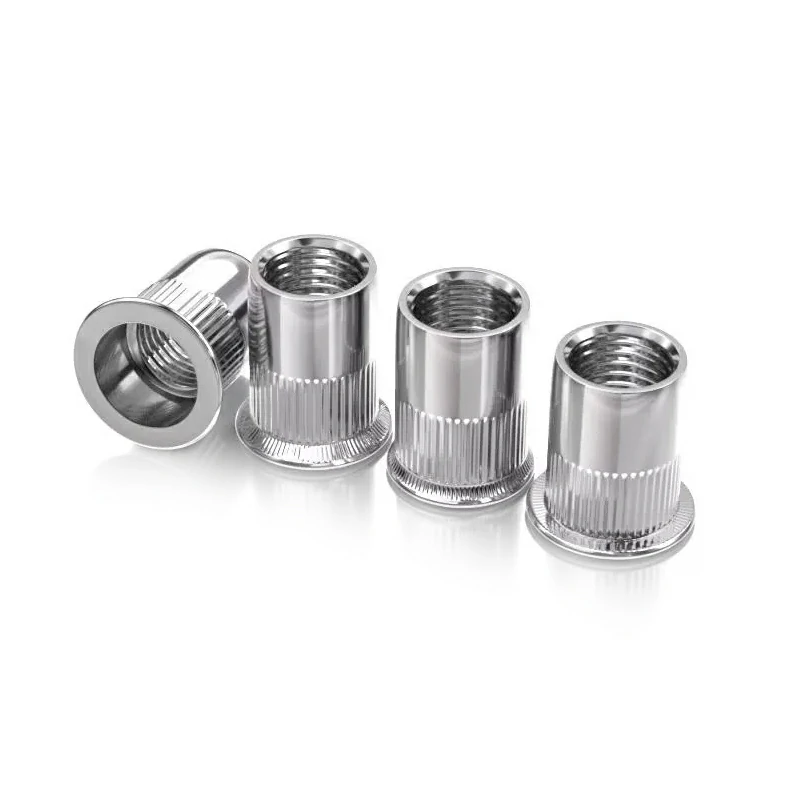
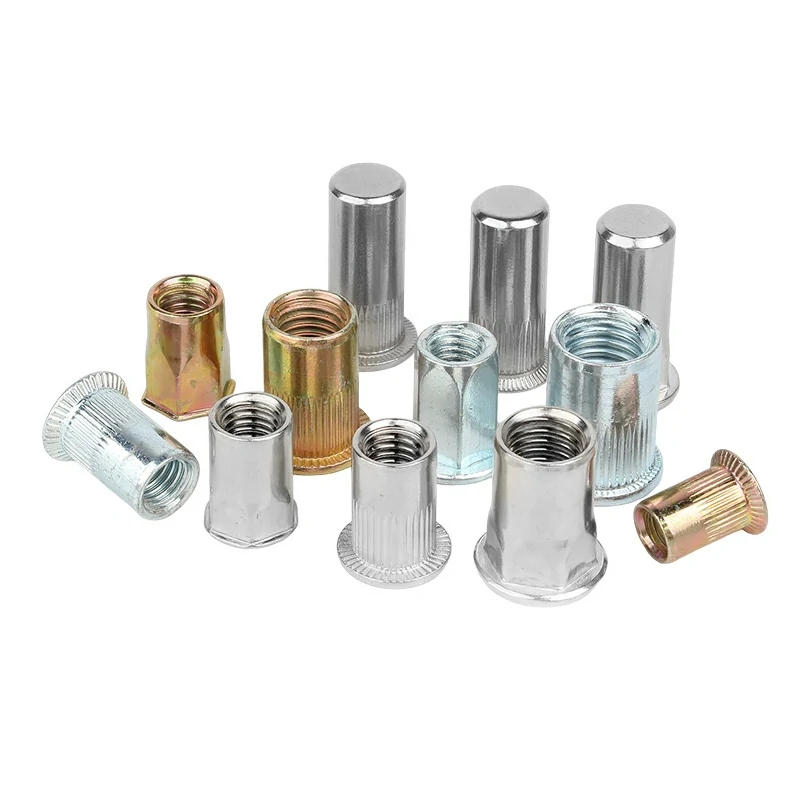
The 304 Stainless Steel Blind Rivet Nut is a high-strength rivet nut fastener designed to create a reliable, reusable threaded connection in thin or soft materials where conventional tapping is not possible. With a low-profile flat head and blind installation capability, this stainless steel rivet nut provides a secure threaded anchor point when access is available from only one side of the workpiece, and ensures a low-profile, clean finish against the material surface, providing a secure, reusable anchor point for subsequent bolted assemblies. Manufactured from corrosion-resistant 304 stainless steel, it offers excellent durability, oxidation resistance, and long-term performance in demanding environments. This 304 Stainless Steel Blind Rivet Nut is widely used in automotive, aerospace, construction, electronics, machinery, and metal fabrication.
Features & Benefits
- Corrosion Resistance: 304 stainless steel composition. Superior corrosion, wear, and oxidation resistance for indoor & outdoor use.
- Blind Installation: Single-sided setting mechanism. Allows a threaded anchor point to be installed quickly in closed sections or tubes.
- High Strength: Solid construction, high hardness, no deformation. Provides a strong, anti-loose connection, essential for high-vibration applications.
- Strong internal threads: Provides a stable, reusable threaded insert for secure fastening.
Specification
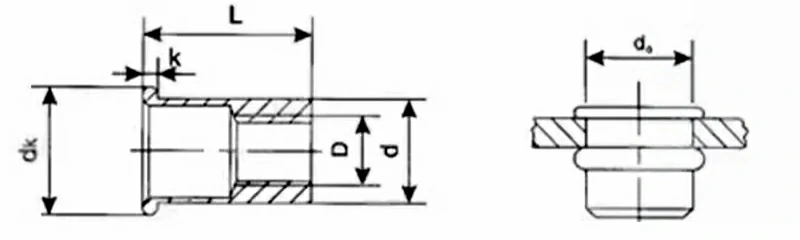
|
Specification |
M4 |
M5 |
M6 |
M8 |
M10 |
|
Inside Diameter - |
4 |
5 |
6 |
8 |
10 |
|
Outside Diameter - |
5.9 |
6.9 |
8.9 |
10.9 |
12.9 |
|
Inside head diameter - |
6 |
7 |
9 |
11 |
13 |
|
Head outside diameter - |
8.6±1.3 |
9.6±0.3 |
12.3±0.3 |
14.3±0.3 |
16.9±0.3 |
|
Head thickness - |
1.0 |
1.0 |
1.0 |
1.5 |
1.7 |
|
Total length - |
11 |
13 |
15 |
18 |
21 |
FAQ
Q1: Why choose stainless steel over carbon steel rivet nuts?
304 stainless steel provides significantly better corrosion and oxidation resistance, making it ideal for outdoor, marine, and high-moisture environments.
Q2: Can these rivet nuts be installed with standard tools?
Yes. They can be installed using a rivet nut tool/mandrel tool, pneumatic riveter, or manual hand tool depending on size and volume.
Q3: Can the rivet nut be removed?
They are permanent once installed but can be drilled out if replacement is necessary.
Q4: How is a Blind Rivet Nut installed?
The rivet nut is placed into a pre-drilled hole. A specialized tool (hand or pneumatic) pulls the mandrel through the nut's body, causing the body to collapse, or "set," on the blind side of the material, creating a permanent, tight-fitting threaded insert.
Q5: What is the benefit of a Flat Head design?
The Flat Head has a larger bearing surface than a standard countersunk head, providing a stronger mechanical lock against the material. It also presents a minimal, neat profile once installed, which is preferred for many exposed assemblies.