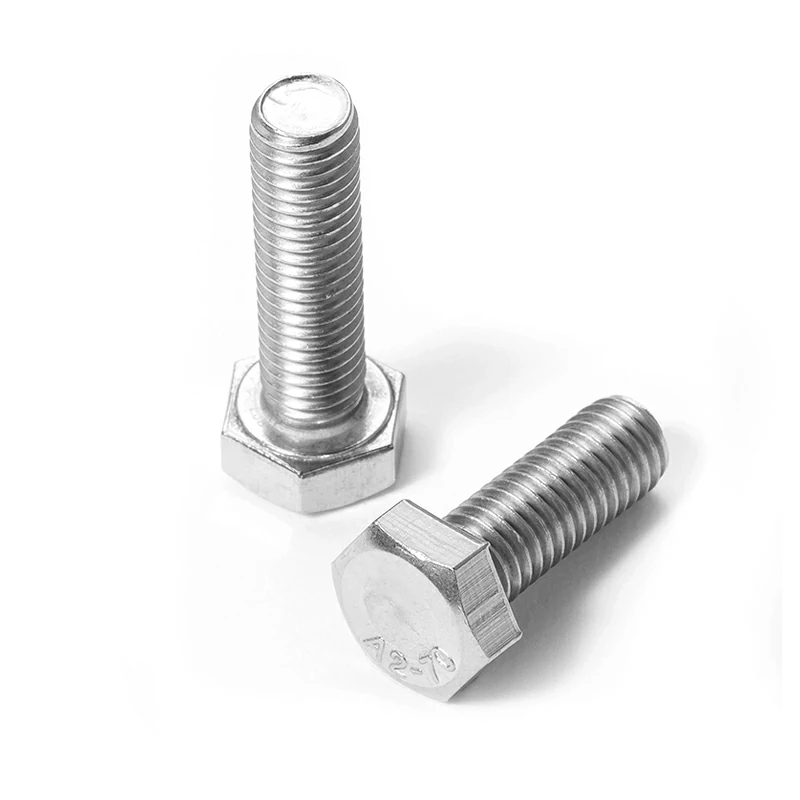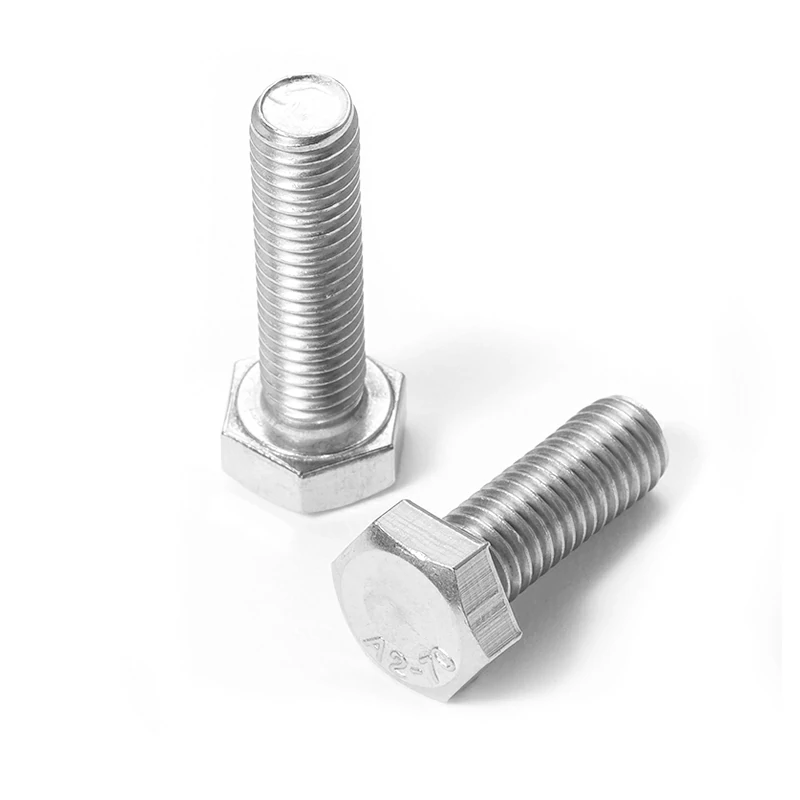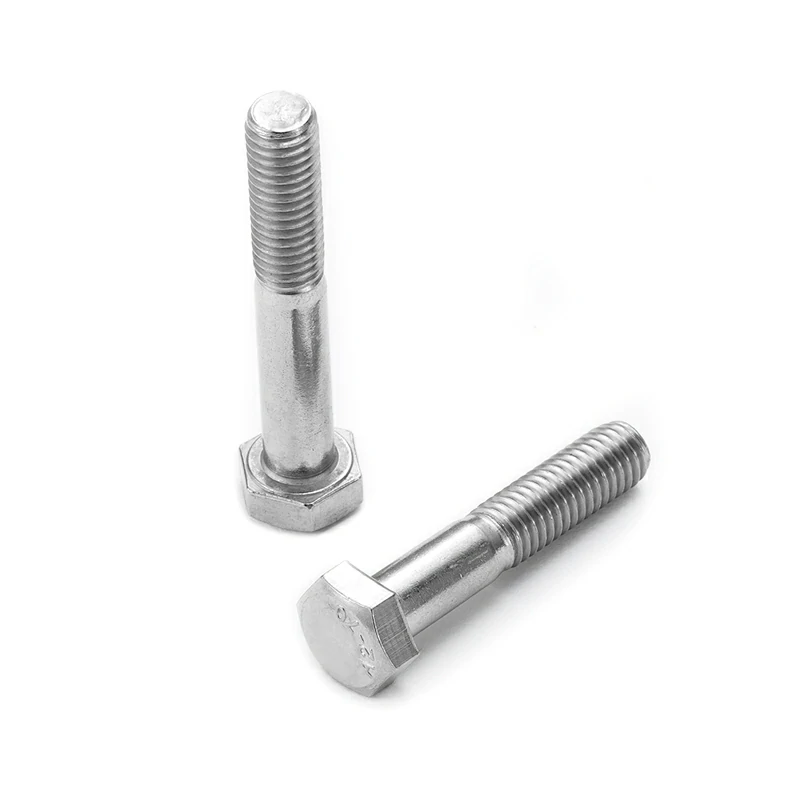
In modern architecture and heavy engineering, the choice of hardware is as critical as the primary building materials themselves. For projects requiring long-term reliability and high load-bearing capacity, stainless fasteners for construction have become the industry standard. These components are widely used due to their excellent corrosion resistance, high strength, and consistent performance in demanding environments.
Whether managing structural frameworks, outdoor installations, or high-load applications, choosing the right hardware is essential for both performance and regulatory compliance. This guide explores the roles of heavy duty stainless fasteners for construction and how to select the appropriate grade for structural integrity.
Why Use Stainless Fasteners in Construction?
Traditional carbon steel fasteners often require secondary coatings, such as galvanization, which can chip or wear away over time. Stainless fasteners for construction provide inherent technical advantages:
- Corrosion Resistance: Maintains structural integrity in harsh, coastal, or high-humidity environments.
- Long Service Life: Leads to reduced maintenance and lower replacement costs over the project’s lifecycle.
- Structural Reliability: Maintains performance under significant load and environmental stress.
- Aesthetic Appeal: Offers a clean, rust-free appearance for visible structural elements.
- Reduced Maintenance: Minimizes the need for frequent inspections and hardware tightening.
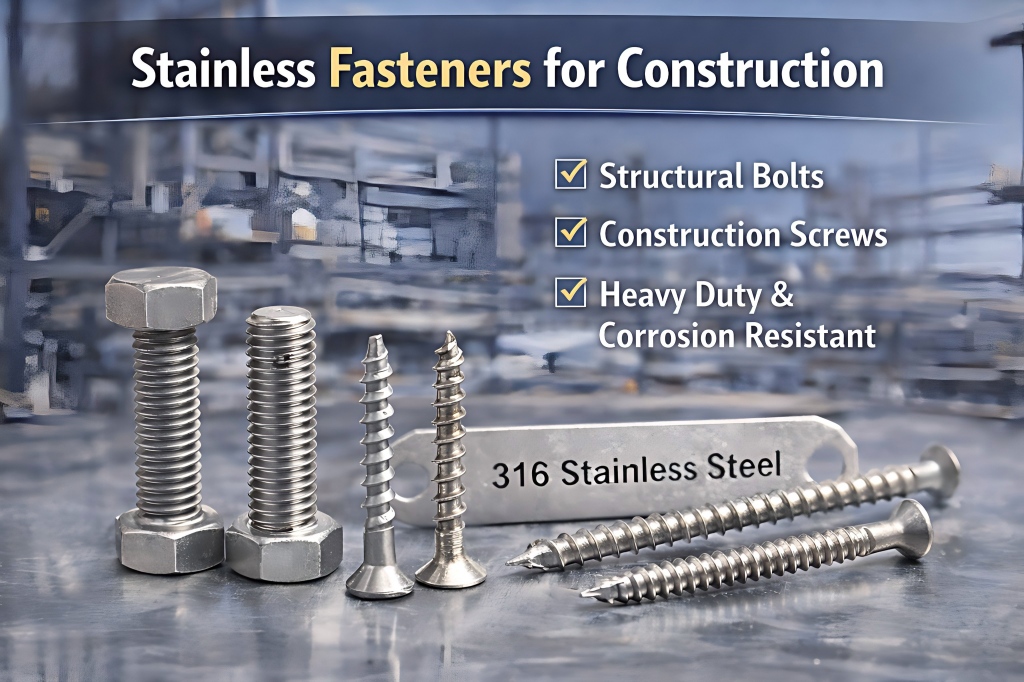
Types of Stainless Steel Fasteners for Structural Use
Different structural applications require specific fastening mechanics to ensure safety and stability.
1. Stainless Steel Structural Bolts
Stainless steel structural bolts are engineered for high-load connections in steel frameworks, bridges, and critical infrastructure projects. They provide the necessary clamping force for rigid assemblies in high-rise buildings.
- Key Features: High tensile strength and excellent load-bearing capacity.
- Usage: Often used alongside matching nuts and washers to prevent galvanic corrosion in mixed-metal assemblies.
2. Stainless Steel Structural Screws
When attaching cladding, roofing, or timber frames to metal structures, stainless steel structural screws provide essential grip and shear resistance.
- Design: Engineered with specialized thread patterns to ensure deep engagement and prevent backing out under vibration.
- Advantages: Offers high shear strength with faster installation compared to traditional bolting methods.
3. Stainless Steel Construction Screws
Stainless steel construction screws are versatile fasteners used in framing, decking, and general construction.
- Applications: Ideal for timber construction, outdoor decking, fencing, and façade systems.
- Durability: Provides high resistance to weather exposure in light-duty structural connections.
Choosing the Right Grade for Construction
The environment of the construction site dictates the required grade of stainless steel. Selecting the correct material is crucial for the performance of heavy duty stainless fasteners for construction.
- 304 Stainless Steel: Suitable for general construction and building components in mildly corrosive outdoor or indoor environments.
- 316 Stainless Steel: Recommended for marine, coastal, or chemical environments where chloride exposure is high.
- Duplex Stainless Steel (2205 & 2507): Provides the highest level of protection against stress corrosion cracking and pitting in safety-critical infrastructure.
Key Considerations for Structural Applications
To ensure compliance with engineering specifications, heavy duty stainless steel fasteners for structural use must be evaluated based on several factors:
- Load Requirements: Fasteners must meet specific tensile and shear strength standards for the intended application.
- Environmental Conditions: Consider the impact of moisture, humidity, saltwater, and temperature fluctuations on the hardware.
- Compatibility: Avoid mixing stainless steel with dissimilar metals to prevent galvanic corrosion.
- Standards and Compliance: Select fasteners that meet relevant international standards, including DIN, ANSI/ASME, and ISO.
Best Practices for Installation
Professional installation is paramount to maximizing the lifespan of structural fasteners. Following these practices ensures reliable performance:
- Prevent Galling: Use anti-seize lubricants during the installation of structural bolts to avoid thread locking.
- Avoid Contamination: Use dedicated stainless steel tools to prevent iron particles from embedding in the surface, which can lead to localized rusting.
- Proper Torque: Utilize calibrated tools to ensure fasteners are tightened to specification without stripping the protective surface or creating micro-cracks.
- Thread Engagement: Ensure proper thread engagement for maximum security.
Applications in Construction Projects
Stainless fasteners for construction are widely used in:
- Structural steel frameworks
- Bridges and infrastructure
- Marine and coastal construction
- Timber and decking systems
- Roofing and façade installations
Their versatility makes them suitable for both standard and heavy duty stainless steel fasteners for structural applications.
Conclusion
Stainless fasteners for construction provide the strength and reliability required for modern building projects. From high-tensile stainless steel structural bolts to specialized stainless steel construction screws, selecting the right type and grade ensures safety and long-term durability. By considering load requirements and environmental factors, you can achieve efficient fastening solutions for any construction project.