In global engineering and manufacturing, fasteners must meet precise technical standards to ensure safety, reliability, and interchangeability. ASTM DIN ISO fasteners are governed by different international systems that define mechanical properties, material composition, dimensions, tolerances, and testing requirements.
When sourcing stainless steel bolts, screws, nuts, or washers internationally, misunderstanding these standards can lead to installation issues, compliance failures, or costly delays. This guide provides a clear fastener standards comparison to help engineers, buyers, and project managers select the right specification for their applications.
Why Fastener Standards Matter
Standards provide a universal technical language that ensures:
- Consistency: Mechanical strength remains reliable across different batches.
- Reliability: Corrosion resistance is verified for specific environments.
- Interchangeability: Parts from different manufacturers fit together seamlessly.
- Safety: Assemblies meet regulatory and contractual requirements for structural integrity.
Using mismatched standards can result in improper torque performance, reduced load capacity, and premature failure.
Overview of ASTM, DIN, and ISO Standards
1. ASTM Standards (American Standards)
ASTM standards are widely used in the United States and North America, especially in infrastructure, oil & gas, and heavy industrial sectors.
Focus: Material properties and performance requirements
Strength: Defines chemical composition and mechanical characteristics
Common Examples:
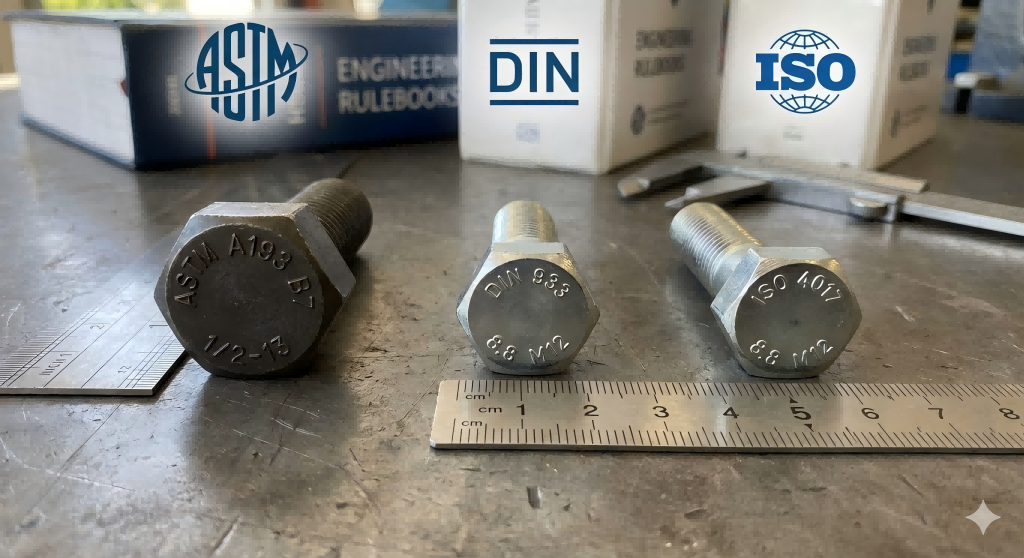
- ASTM A193 – Alloy and stainless steel bolts for high-temperature service
- ASTM A194 – Carbon and alloy steel nuts
- ASTM F593 – Stainless steel bolts and studs
ASTM standards prioritize performance verification over dimensional harmonization.
2. DIN Standards (German Standards)
DIN (Deutsches Institut für Normung) standards originated in Germany and became widely adopted throughout Europe.
Focus: Dimensional accuracy and geometric specifications
Strength: Precise thread and head geometry definitions
Common Examples:
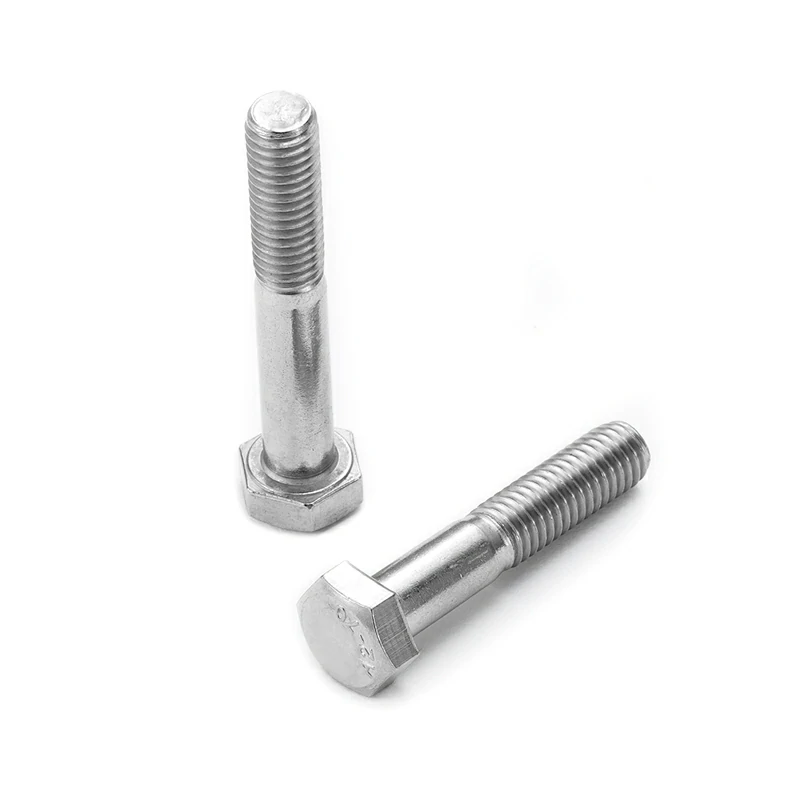
- DIN 933 – Hex head bolts (full thread)
- DIN 934 – Hex nuts
- DIN 125 – Flat washers
Although many DIN standards have been replaced or aligned with ISO standards, legacy DIN parts remain widely used.
3. ISO Standards (International Standards)
ISO standards aim to harmonize fastener specifications globally.
Focus: International standardization and compatibility
Strength: Facilitates cross-border trade and manufacturing
Common Examples:
- ISO 4017 – Hex head screws (full thread)
- ISO 4032 – Hex nuts
- ISO 7089 – Flat washers
ISO standards often evolve from DIN specifications and are preferred in multinational supply chains.
ASTM vs DIN vs ISO: Fastener Standards Comparison
| Category | ASTM | DIN | ISO |
|---|---|---|---|
| Primary Focus | Material performance | Dimensions & geometry | Global harmonization |
| Origin | USA | Germany | International |
| Typical Industries | Oil & gas, structural | Machinery, construction | Global manufacturing |
| Interchangeability | Limited with DIN/ISO | Often replaced by ISO | Broad compatibility |
Key Insight:
ASTM standards emphasize material strength and testing. DIN and ISO focus more on dimensional specifications. ISO acts as a bridge for international standardization.
Understanding Stainless Steel Fastener Grades and Standards (ASTM, DIN, ISO)
When specifying stainless steel fasteners, both the standard system and material grade must be considered.
ASTM Stainless Steel Designations
- ASTM F593 Group 1 → 304 stainless steel
- ASTM F593 Group 2 → 316 stainless steel
ISO Property Classes
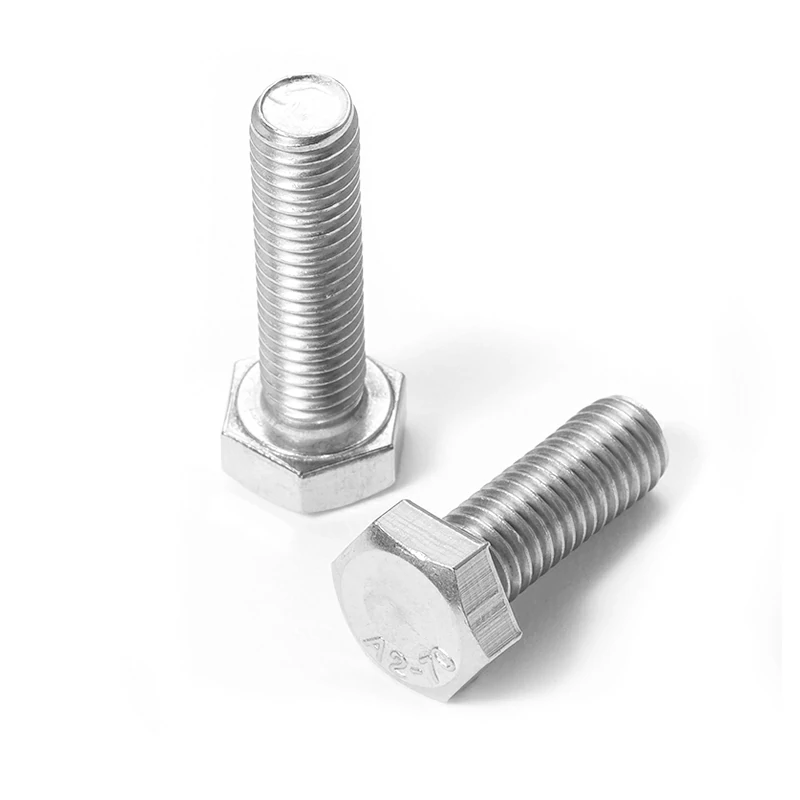
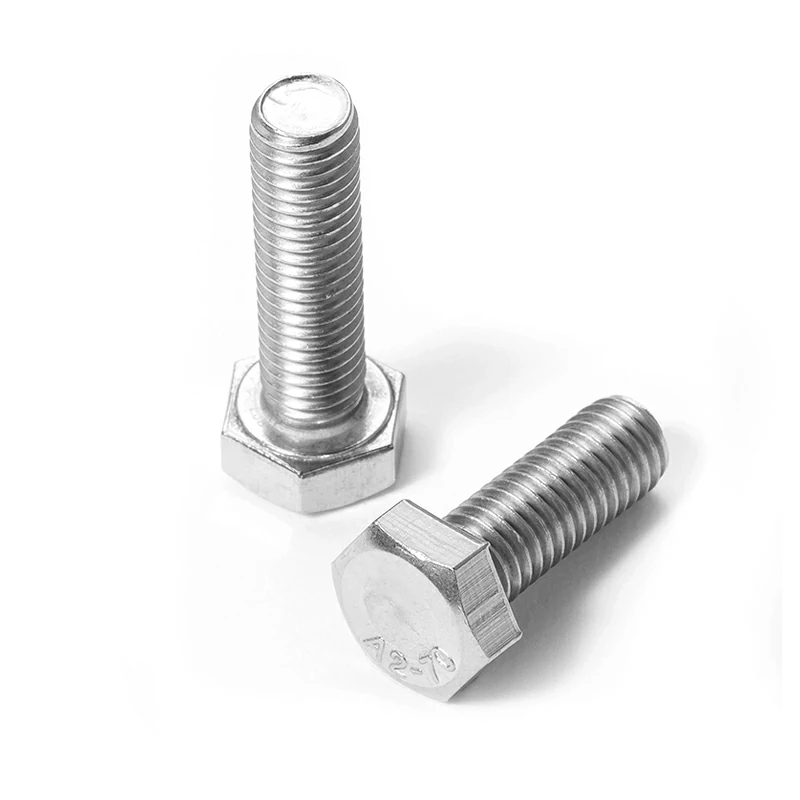
- A2-70 → 304 stainless steel (700 MPa tensile strength)
- A4-80 → 316 stainless steel (800 MPa tensile strength)
DIN Markings
DIN stainless fasteners typically follow ISO property classes such as A2 and A4.
Important:
The critical difference is that ASTM defines grades by chemical composition and performance, while ISO and DIN use property classes to indicate corrosion resistance and tensile strength.
Are ASTM, DIN, and ISO Fasteners Interchangeable?
Not always.
While some DIN standards have ISO equivalents, differences may exist in:
- Thread pitch (UNC/UNF vs Metric)
- Head height
- Across-the-flats dimensions
- Tensile strength classifications
For example, ISO 4014 and DIN 931 are similar but may vary slightly in wrench size dimensions for specific metric sizes.
Always verify specifications before substitution.
How to Choose the Right Standard
When selecting ASTM DIN ISO fasteners, consider:
1. Project Location
- U.S.-based projects → ASTM
- European equipment → DIN or ISO
- International supply chains → ISO
2. Industry Requirements
- Oil & gas → ASTM A193/A194
- Machinery manufacturing → DIN/ISO
- Export-focused manufacturing → ISO
3. Environmental Conditions
Choose stainless steel grade (304 vs 316) based on exposure to moisture, chlorides, or chemicals.
4. Documentation Requirements
Confirm compliance through Mill Test Certificates (MTC), mechanical test reports, and chemical analysis documentation.
Certification and Quality Control
Reliable ASTM DIN ISO fasteners should include:
- Material Test Certificates
- Mechanical strength verification
- Chemical composition reports
- Traceability documentation
Certification is especially critical for structural and safety-sensitive applications.
Conclusion
Understanding the differences between ASTM DIN ISO fasteners is essential for engineering compliance and global sourcing. ASTM emphasizes performance and material strength, DIN defines precise geometry, and ISO provides worldwide harmonization.
Selecting the correct standard—and matching it with the appropriate stainless steel grade—ensures safe, consistent, and reliable fastening performance.
Need expert guidance on selecting compliant ASTM DIN ISO fasteners for your project?
Tianqi Fasteners supplies high-quality stainless steel bolts, screws, nuts, and washers manufactured to ASTM, DIN, and ISO standards. Our technical team can help you verify specifications, ensure compliance, and optimize your fastening solution.